In the realm of industrial automation, accurate liquid level and density measurements are crucial for ensuring operational efficiency and safety. Sino-Inst's Flanged Pressure Transmitter, found at this link, offers a robust solution tailored for such applications. This guide aims to provide insights into the installation and purchase considerations for this high-performance device.
Understanding the Flanged Pressure Transmitter
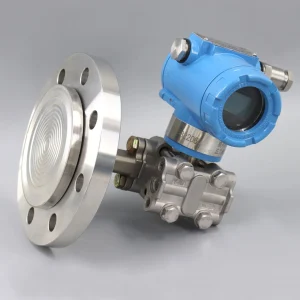
The Flanged Pressure Transmitter is an advanced instrument that combines an intelligent pressure transmitter with a diaphragm flange assembly. It is specifically designed for direct mounting on pipes or containers, eliminating the need for pressure piping due to its isolation diaphragm that directly contacts the liquid medium.
Key Installation Steps
1. Preparation
- Inspect the Flanges: Ensure the flanges (available in flat or insert types, with sizes of 3" or 4" and specifications of 150lb or 300lb) match the container or pipe specifications.
- Check Compatibility: Verify the diaphragm material compatibility with the liquid media to prevent contamination or corrosion. Sino-Inst offers customization services for flange materials, including 316LSST, Hastelloy C-276, Tantalum, and PTFE coating.
2. Mounting
- Align and Bolt: Align the flange of the transmitter with the corresponding flange on the container or pipe. Securely bolt them together following industry standards for flange connections.
- Ensure Seal Integrity: Inspect the flange seal to ensure there are no leaks. This is crucial for maintaining accurate measurements and preventing safety hazards.
3. Wiring and Configuration
- Connect the Cables: Wire the transmitter to the control system using appropriate cable types and sizes. Follow the manufacturer's wiring diagrams for accurate connections.
- Configure Settings: Use the display instrument and control circuit to configure the transmitter settings according to the application requirements. This may include setting the output signal range (4-20mA/HART or RS485 digital signal).
Purchase Considerations
1. Application Requirements
- Media Characteristics: Consider the liquid's density, viscosity, temperature, and corrosion properties when selecting the diaphragm material and flange specifications.
- Accuracy Needs: Determine the required measurement accuracy and select a transmitter with the appropriate specifications to meet operational demands.
2. Cost and Customization
- Standard vs. Custom: Evaluate whether the standard flange and diaphragm options meet your needs or if customization is required. Customization may incur additional costs but offers flexibility in material selection and design.
- Budget Considerations: Compare prices with performance specifications to find a balance between cost-effectiveness and reliability. Sino-Inst offers competitive pricing and various purchasing options.
3. Support and Documentation
- Technical Support: Ensure the supplier provides comprehensive technical support, including installation guidance, troubleshooting, and maintenance advice.
- Documentation: Review the available documentation, such as user manuals, installation guides, and certification details, to ensure compliance with industry standards and regulations.
The Flanged Pressure Transmitter from Sino-Inst is a versatile and reliable solution for liquid level and density measurements in industrial applications. By following the installation guide and considering the purchase factors outlined above, you can ensure optimal performance and operational efficiency. For more information and to explore Sino-Inst's comprehensive range of process control instruments, visit their official website.
About the Author