Aluminum Composite Panels have revolutionized modern architecture and design. These panels, combining lightweight aluminum sheets with a core material, offer unmatched flexibility, durability, and aesthetic appeal.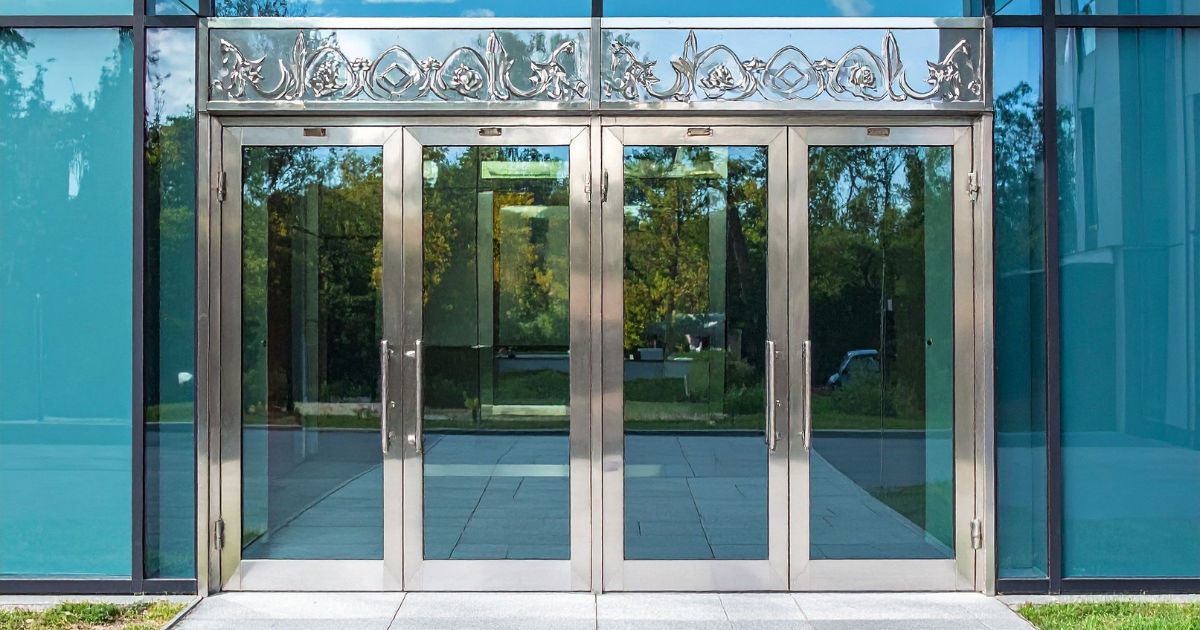
Designers, architects, and builders are increasingly choosing Aluminum Composite Panels to transform structures into visually striking, efficient, and long-lasting creations.
In this guide, we will explore the numerous design possibilities with composite panels, their applications, benefits, and considerations for implementation.
What Are Aluminum Composite Panels?
Aluminum Composite Panels are flat panels consisting of two thin aluminum sheets bonded to a non-aluminum core. The core can be made of polyethylene or fire-resistant materials. This composition allows panels to combine the strength of aluminum with flexibility, lightweight properties, and enhanced durability.
The surface of these panels can be coated with various finishes, such as PVDF (polyvinylidene fluoride) or PE (polyethylene), to achieve different colors, textures, and protective qualities. This makes Aluminum Composite Panels suitable for both exterior and interior applications, from building facades to interior partitions and decorative elements.
Key Benefits of Aluminum Composite Panels
Aluminum Composite Panels offer multiple benefits that make them ideal for creative design:
-
Lightweight yet Strong: Their low weight reduces structural load, enabling innovative architectural forms without compromising safety.
-
Versatile Aesthetic Options: Available in a wide range of colors, textures, and finishes, they can mimic materials like wood, stone, or metal.
-
Durability: Resistant to weather, corrosion, and UV rays, these panels have a long lifespan with minimal maintenance.
-
Fire Resistance: Fire-retardant core options provide safety in commercial and public buildings.
-
Easy Fabrication: Panels can be cut, bent, folded, or perforated, allowing limitless design possibilities.
-
Eco-Friendly: Aluminum is recyclable, and many composite panels are produced sustainably.
These advantages make Aluminum Composite Panels a preferred choice for architects seeking both functionality and aesthetics.
Design Possibilities in Architecture
Composite panels open new doors for innovative architectural designs. Let’s explore some key possibilities:
Modern Facades
One of the most popular uses of Aluminum Composite Panels is in building facades. Their lightweight nature allows architects to create sleek, continuous surfaces with minimal structural support. Panels can be installed horizontally, vertically, or in complex patterns to enhance a building’s visual identity.
The ability to choose from vibrant colors and metallic finishes also allows buildings to stand out. Architects often use these panels to achieve a futuristic or minimalist look, blending functionality with aesthetic appeal.
Curved and Complex Forms
Unlike traditional cladding materials, Aluminum Composite Panels can be bent and curved to form unique shapes. This flexibility enables designers to create wave-like structures, circular towers, and unconventional geometries. Buildings with dynamic curves are no longer limited by heavy or rigid materials, giving rise to truly creative designs.
Interior Design Applications
Beyond exteriors, Aluminum Composite Panels can elevate interior spaces. Panels are often used in partition walls, ceilings, feature walls, and column claddings. Their smooth surfaces make them ideal for modern offices, hotels, and retail spaces. The panels can be custom printed or coated to match branding or interior themes.
Signage and Branding
Composite panels are commonly used for signage due to their durability and versatility. The panels can be cut into intricate shapes, engraved, or printed with vibrant graphics. Their lightweight structure allows easy installation on buildings and public spaces, making them ideal for corporate branding and advertising.
Color and Texture Innovations
Aluminum Composite Panels come in an extensive range of colors, from bold primary shades to muted metallics. They can also replicate natural materials like wood, stone, or leather. This versatility allows designers to explore textures without the cost or limitations of natural materials.
Sustainable Design Options
Composite panels contribute to sustainable design practices. Their durability reduces the need for frequent replacements, while their recyclable aluminum content minimizes environmental impact. Architects can also use panels for energy-efficient facades that enhance insulation and reduce heat transfer.
Structural Considerations
While Aluminum Composite Panels offer flexibility, certain structural considerations should be addressed during design:
-
Panel Thickness: Thicker panels provide better rigidity but may be heavier. Designers must balance aesthetics and structural needs.
-
Support Framework: Panels require proper framing and support to withstand wind loads and environmental stress.
-
Thermal Expansion: Aluminum expands and contracts with temperature changes. Design allowances must accommodate this movement.
-
Fire Safety: Choosing panels with a fire-resistant core is essential for public buildings.
Understanding these considerations ensures that designs remain safe, functional, and visually impressive.
Innovative Patterns and Installation Techniques
The design potential of Aluminum Composite Panels is amplified by creative installation techniques. Some popular options include:
-
Geometric Patterns: Panels can be arranged in squares, triangles, or hexagons for a striking visual impact.
-
Perforated Panels: Laser-cut designs create patterns, improve ventilation, or provide partial transparency.
-
3D Panels: Panels can be folded or embossed to add depth and texture to surfaces.
-
Backlit Panels: Incorporating lighting behind translucent panels creates dramatic effects for interior and exterior applications.
These installation techniques allow designers to push the boundaries of conventional architecture and make every project unique.
Composite Panels in Commercial Architecture
Aluminum Composite Panels are widely used in commercial architecture due to their durability and low maintenance. Shopping malls, office complexes, hospitals, and airports often use composite panels for facades, signage, and interiors. The panels allow large surfaces to be covered efficiently, creating cohesive and modern aesthetics.
In high-traffic areas, the durability and easy maintenance of composite panels reduce long-term costs. Additionally, their lightweight nature can simplify structural requirements, lowering construction expenses.
Residential Applications
Though more common in commercial settings, Aluminum Composite Panels are increasingly used in residential designs. Homeowners and architects are using these panels for modern house facades, balcony claddings, and feature walls. Composite panels provide homes with a contemporary look while improving weather resistance and insulation.
Outdoor Living Spaces
Composite panels are also ideal for outdoor kitchens, patio walls, and garden structures. They resist moisture, temperature fluctuations, and UV exposure, making them durable and low-maintenance.
Creative Artistic Applications
Beyond architecture, Aluminum Composite Panels have a place in artistic installations. Sculptors, urban artists, and designers use panels to create large-scale murals, sculptures, and public art pieces. The panels’ ability to hold color, texture, and form allows for creative freedom that traditional materials may not provide.
Cost Considerations
While Aluminum Composite Panels may have a higher upfront cost than some traditional cladding materials, their long-term benefits make them cost-effective. Factors to consider include:
-
Material Costs: Premium finishes and fire-resistant cores increase costs.
-
Installation Costs: Panels require skilled labor for precise installation.
-
Maintenance Savings: Low maintenance and long lifespan reduce ongoing expenses.
-
Energy Efficiency: Properly insulated panels can lower heating and cooling costs.
Overall, Aluminum Composite Panels offer a balance of aesthetic appeal, performance, and long-term value.
Maintenance and Durability
One of the standout features of Aluminum Composite Panels is their low maintenance. Regular cleaning with mild detergent is typically sufficient to maintain appearance. The panels are resistant to:
-
Weathering: Rain, snow, and sun do not easily degrade them.
-
Corrosion: Aluminum naturally resists rust, even in coastal environments.
-
Impact: Panels can withstand minor impacts without significant damage.
This durability makes them an ideal choice for both residential and commercial projects where long-term performance is essential.
Future Trends in Composite Panel Design
The design possibilities with Aluminum Composite Panels continue to expand as technology and materials evolve. Some emerging trends include:
-
Smart Panels: Integration of solar panels or smart coatings for energy efficiency.
-
Sustainable Manufacturing: Increased use of recycled aluminum and eco-friendly cores.
-
Custom Printing: Advanced printing techniques allow intricate designs and images on panels.
-
Adaptive Facades: Panels that can adjust for light, ventilation, or temperature control.
These innovations promise even greater creative freedom for architects and designers in the coming years.
Conclusion
Aluminum Composite Panels are a game-changer in modern architecture and design. Their lightweight, durable, and versatile nature allows designers to explore a wide range of applications—from building facades to interior decor and artistic installations. With a variety of colors, finishes, textures, and installation techniques, these panels provide nearly limitless design possibilities.
By considering structural requirements, fire safety, and proper installation, architects can create visually stunning and functional designs. Whether for commercial complexes, residential homes, or creative public art, Aluminum Composite Panels are a material that combines aesthetic beauty with practical benefits.
The future of architecture increasingly relies on innovative materials like Aluminum Composite Panels, enabling sustainable, durable, and visually captivating designs. For architects and designers seeking flexibility, durability, and creative freedom, Aluminum Composite Panels are not just an option—they are a design solution that transforms vision into reality.
Word count: 2,185
About the Author