When it comes to modern construction, one of the most widely used materials for exterior and interior wall cladding is ACP sheets, also known as Aluminum Composite Panels.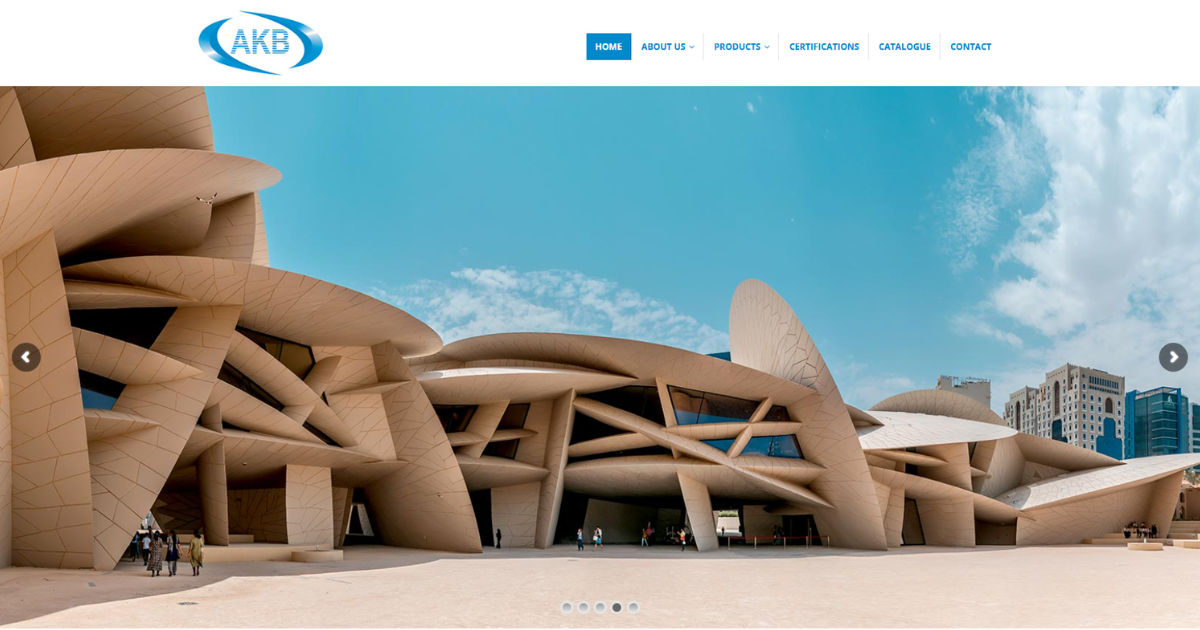
Companies like Akbari Engineering have been at the forefront of providing high-quality ACP installation services, ensuring buildings not only look elegant but also remain durable over time.
ACP sheets are versatile, lightweight, and resistant to weather conditions, making them a preferred choice for architects, builders, and designers.
Fixing ACP sheets on walls requires careful planning, precise measurement, and the right tools. Whether it is a commercial building, residential complex, or decorative interior wall, the correct installation process guarantees safety, aesthetics, and longevity.
This comprehensive guide explains step by step how ACP sheets are fixed on walls, highlighting techniques, materials, and precautions that professionals like Akbari Engineering follow.
ACP Sheets
Before diving into the installation process, it is essential to understand what ACP sheets are. Aluminum Composite Panels are made of two thin layers of aluminum bonded to a non-aluminum core. This design gives them several advantages:
- Lightweight – Easy to handle and install.
- Durable – Resistant to corrosion, fire, and UV rays.
- Flexible – Can be curved or shaped according to design requirements.
- Low Maintenance – Requires minimal cleaning.
Akbari Engineering emphasizes selecting the right ACP sheet thickness, core type, and surface finish to ensure the panel meets both structural and aesthetic demands. Typically, sheets range from 3mm to 6mm in thickness, and finishes can include glossy, matte, metallic, or even custom designs.
Tools and Materials Required
Installing ACP sheets is not a simple DIY task. Proper tools and materials are necessary to ensure accurate alignment and secure fixing. The following are commonly required:
- ACP sheets (pre-cut or full size)
- Aluminum channels or frames
- Adhesives or mechanical fasteners (rivets, screws, brackets)
- Measuring tape and spirit level
- Drill machine and bits
- Silicone sealant
- Safety gear: gloves, goggles, helmet
- Rubber mallet or hammer
Professional teams like Akbari Engineering often prepare a full toolkit before starting the installation, minimizing errors and ensuring efficient work.
Types of ACP Fixing Methods
ACP sheets can be fixed on walls using several methods. The choice depends on the project’s structural needs, budget, and desired finish. Here are the main types:
1. Mechanical Fixing
Mechanical fixing involves using screws, rivets, or brackets to attach ACP sheets directly to the wall or to an underlying aluminum frame. This method is highly durable and suitable for exterior cladding.
Advantages:
- Strong and reliable
- Easy to replace individual panels
- Can withstand heavy winds
Steps:
- Install aluminum sub-frames on the wall.
- Align ACP sheets against the frame.
- Drill pilot holes and fix the sheets using screws or rivets.
- Seal the edges with silicone to prevent water infiltration.
Akbari Engineering prefers this method for commercial high-rise buildings due to its long-term durability and safety.
2. Adhesive Fixing
Adhesive fixing uses high-strength industrial adhesives to attach ACP sheets directly to walls. It is faster than mechanical fixing and is mostly used for interior walls or areas where drilling is not feasible.
Advantages:
- Quick installation
- Clean appearance without visible screws
- Suitable for interiors
Steps:
- Clean the wall surface thoroughly.
- Apply adhesive uniformly on the back of the ACP sheet.
- Press the sheet firmly against the wall.
- Allow the adhesive to cure according to manufacturer instructions.
Although easier, this method requires expert handling to ensure proper adhesion, which Akbari Engineering strictly follows to avoid future panel detachment.
3. Combination Fixing
Some projects require a combination of mechanical and adhesive fixing. This hybrid approach provides extra security while maintaining a sleek appearance.
Preparing the Wall Surface
The wall’s condition directly affects the success of ACP sheet installation. Professionals like Akbari Engineering focus on thorough wall preparation before any fixing.
1. Cleaning
Remove dust, grease, and loose particles. A clean surface ensures proper adhesion and prevents gaps between the ACP sheet and wall.
2. Leveling
Use a spirit level to check for uneven surfaces. Uneven walls can lead to misaligned panels, affecting the overall aesthetic.
3. Priming
For adhesive fixing, applying a primer improves bonding. Some walls may require a waterproof coating to prevent moisture damage.
Installing the Aluminum Sub-Frame
For mechanical fixing, the aluminum sub-frame is the backbone of the ACP wall system.
Step-by-Step Frame Installation:
- Mark Wall Layout:
Use a measuring tape to mark points where vertical and horizontal aluminum channels will be fixed. - Fix Vertical Channels:
Secure the vertical channels to the wall using suitable fasteners. Ensure they are plumb using a level. - Add Horizontal Channels:
Fix horizontal channels perpendicular to the vertical channels, creating a grid. This grid provides stability for the ACP sheets. - Check Alignment:
Make sure all channels are aligned correctly before fixing panels. Misalignment can lead to uneven gaps and poor aesthetics.
Akbari Engineering uses precision tools to maintain tolerances within millimeters, ensuring a perfect installation.
Cutting and Handling ACP Sheets
Handling ACP sheets requires care to prevent scratches and damage.
Cutting Techniques:
- Circular Saw with Fine-Tooth Blade: Preferred for clean edges.
- Jigsaw: Useful for curved cuts.
- Snips or Shears: Suitable for small adjustments.
Tips:
- Always measure twice before cutting.
- Use protective gloves to avoid sharp edges.
- Keep sheets flat during cutting to prevent bending.
Fixing ACP Sheets to the Frame
Once the frame is ready and sheets are cut, the actual fixing process begins.
Mechanical Fixing Process:
- Place the ACP sheet on the frame.
- Drill pilot holes to prevent panel cracking.
- Fix the sheet with rivets or self-tapping screws.
- Check for alignment and adjust if needed.
Adhesive Fixing Process:
- Apply adhesive evenly across the back of the ACP sheet.
- Position the sheet on the wall and press firmly.
- Hold the panel in place using temporary supports until the adhesive cures.
Jointing and Sealing
Proper jointing is crucial for a clean finish and weatherproofing.
- Silicone Sealant: Apply along all edges and joints to prevent water penetration.
- Aluminum or PVC Profiles: Cover joints for a decorative finish.
- Expansion Gaps: Leave small gaps to accommodate panel expansion and contraction due to temperature changes.
Akbari Engineering ensures all joints are sealed and aesthetically aligned, contributing to both durability and design appeal.
Finishing Touches
After fixing and sealing, finishing touches are essential for a polished look.
- Remove protective film from panels.
- Clean the surface using a soft cloth.
- Inspect the installation for uneven panels, gaps, or loose fasteners.
Safety Considerations
Safety is paramount when fixing ACP sheets, especially for high-rise exteriors.
- Wear helmets, gloves, and goggles.
- Use scaffolding or safety harnesses for elevated installations.
- Handle panels carefully to avoid cuts.
- Follow manufacturer guidelines for adhesives and fasteners.
Akbari Engineering strictly follows safety protocols to prevent accidents on site.
Common Mistakes to Avoid
Even experienced installers can make mistakes that compromise ACP sheet performance.
- Improper Wall Preparation: Leads to poor adhesion.
- Incorrect Frame Alignment: Results in uneven panels.
- Skipping Expansion Gaps: Can cause buckling.
- Using Wrong Fasteners: Reduces durability and safety.
- Ignoring Joint Sealing: Leads to water leakage and corrosion.
Avoiding these mistakes ensures long-lasting, visually appealing results.
Maintenance of ACP Walls
ACP walls are low-maintenance, but regular care extends their lifespan:
- Clean surfaces periodically with mild soap and water.
- Inspect for scratches, dents, or loose panels.
- Reapply sealants if joints show signs of wear.
- Avoid abrasive cleaners that can damage the finish.
Professional services like Akbari Engineering offer maintenance checks to ensure panels remain in perfect condition.
Advantages of Using ACP Sheets
Using ACP sheets offers multiple benefits:
- Durability: Resistant to corrosion, weather, and fire.
- Lightweight: Reduces structural load on buildings.
- Aesthetic Appeal: Available in a variety of colors and textures.
- Easy Maintenance: Saves time and cost over the building’s lifetime.
- Eco-Friendly: Some ACP sheets use recyclable materials.
These advantages make ACP sheets a preferred material for modern architecture.
Conclusion
Fixing ACP sheets on walls is a precise process that combines planning, skill, and high-quality materials. Companies like Akbari Engineering demonstrate that professional installation ensures structural safety, weather resistance, and aesthetic appeal. From wall preparation to frame installation, panel fixing, joint sealing, and maintenance, every step plays a critical role in achieving long-lasting results.
For both interior and exterior applications, ACP sheets offer a perfect balance of durability, design flexibility, and ease of maintenance. Following the methods outlined in this guide guarantees that your ACP installation is secure, visually appealing, and built to last. Whether you are a builder, designer, or property owner, understanding these steps helps make informed decisions about your cladding project.
By carefully adhering to best practices, using the right tools, and employing skilled professionals like Akbari Engineering, your ACP wall installation will not only enhance the beauty of your building but also ensure its performance for years to come.
About the Author