AI companion technology is changing how people talk, learn, and interact with machines every day. An AI companion is not just a chatbot; it is designed to understand human emotions, respond naturally, and provide meaningful conversation like a digital friend or assistant.
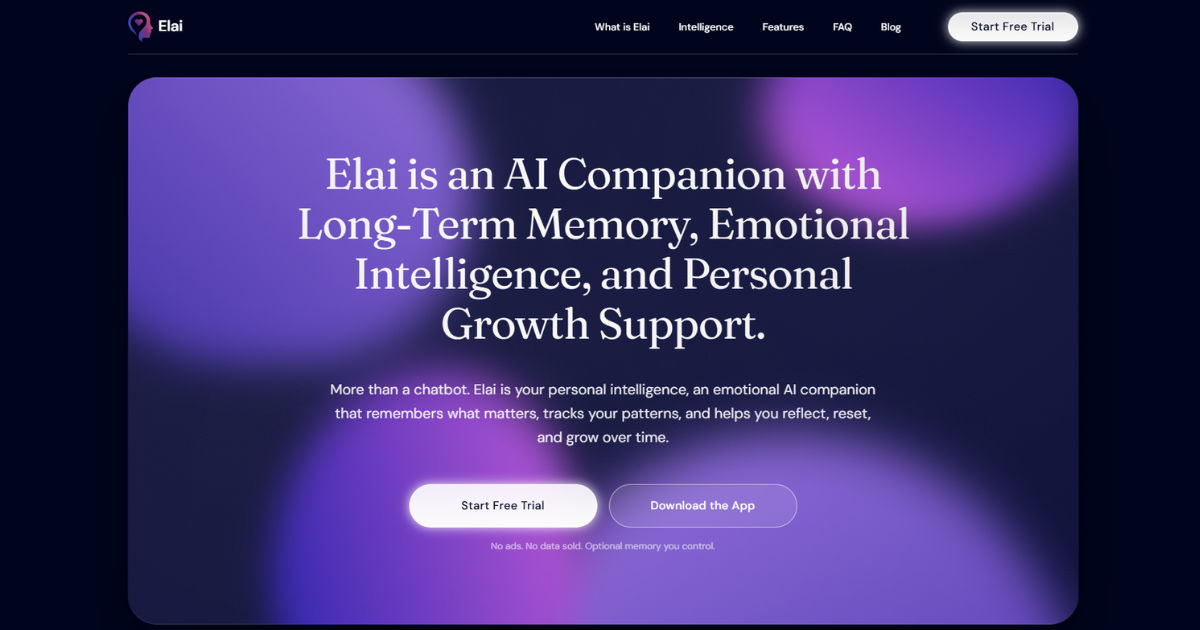 Today, an AI companion is used in education, entertainment, mental wellness, and customer support, making it one of the fastest-growing technologies in the digital world.
In this guide, we will explore what an AI companion is, how it works, why it is important, and how it is shaping the future of communication. The goal is to make everything simple and easy to understand for a 12th-grade student.
What is an AI Companion Chat?
An AI companion chat is a smart software program that can talk to humans in a natural way. It uses artificial intelligence to understand questions, remember context, and respond like a real person.
Unlike traditional chatbots that only give fixed answers, an AI companion can:
- Hold long conversations
- Remember previous messages
- Understand emotions in text
- Adapt its tone and style
- Provide personalized responses
An AI companion is designed to feel more human-like and supportive. It can act as a friend, tutor, guide, or assistant depending on how it is used.
How AI Companion Chat Works
To understand an AI companion, we need to look at the technology behind it. Even though it feels simple when you chat, many advanced systems work together behind the scenes.
Natural Language Processing (NLP)
The first key part of an AI companion is Natural Language Processing.
NLP helps the system:
- Understand human language
- Break sentences into meaning
- Detect intent behind words
- Recognize emotions like happiness or sadness
For example, when you say “I am feeling sad today,” the AI companion can detect emotional tone and respond in a supportive way.
Machine Learning
Machine learning is what makes an AI companion smarter over time.
It works by:
- Learning from large amounts of data
- Studying patterns in conversations
- Improving responses based on feedback
- Adapting to different users
The more people interact with an AI companion, the better it becomes at understanding human behavior.
Deep Learning Models
Deep learning is a more advanced form of machine learning. It uses neural networks that work like the human brain.
An AI companion uses deep learning to:
- Predict the best response
- Understand complex sentences
- Handle long conversations
- Maintain context across messages
This is why an AI companion can feel very natural when chatting.
Data Training
Before an AI companion is released, it is trained using huge datasets.
These datasets include:
- Books
- Websites
- Conversations
- Articles
- Social interactions
This training helps the AI companion learn how humans speak in different situations.
Features of AI Companion Chat
An AI companion is not just about answering questions. It comes with many advanced features that make it useful in daily life.
Human-like Conversation
An AI companion can talk in a way that feels natural. It avoids robotic answers and uses friendly language.
Emotional Understanding
Many modern systems allow an AI companion to detect emotions such as:
- Happiness
- Sadness
- Stress
- Excitement
It then responds in a supportive tone.
Personalization
An AI companion can adjust its personality based on user behavior. For example:
- Formal for professional use
- Friendly for casual chats
- Educational for students
Memory System
Some AI companion systems remember past conversations. This helps them:
- Continue discussions smoothly
- Avoid repeating questions
- Provide better suggestions
Why AI Companion Chat is Important
The rise of AI companion technology is important for many reasons.
Helps in Learning
Students use an AI companion to:
- Understand difficult topics
- Practice languages
- Solve problems
- Get instant explanations
Provides Emotional Support
Some people use an AI companion when they feel lonely or stressed. It gives them someone to talk to anytime.
Improves Productivity
An AI companion can help with:
- Writing tasks
- Planning schedules
- Managing emails
- Organizing ideas
Customer Support
Many companies use AI companion systems to answer customer questions quickly and efficiently.
Types of AI Companion Chat
There are different types of AI companion systems depending on their purpose.
Educational AI Companion
This type helps students learn and study. An AI companion in education explains topics in simple language.
Emotional AI Companion
This version focuses on emotional support and friendly conversations. It acts like a digital friend.
Professional AI Companion
Used in workplaces, this AI companion helps with business tasks, reports, and communication.
Entertainment AI Companion
Some AI companion systems are designed for fun conversations, storytelling, and games.
How AI Companion Understands Humans
Understanding humans is one of the hardest tasks for machines. However, an AI companion uses several methods.
Context Understanding
An AI companion remembers what you said earlier in the conversation to respond correctly.
Intent Recognition
It tries to understand what you actually want, not just the words you type.
Sentiment Analysis
This helps the AI companion detect if your message is positive, negative, or neutral.
Benefits of AI Companion Chat
There are many benefits of using an AI companion in daily life.
Always Available
An AI companion is available 24/7 without breaks.
Fast Responses
It gives instant answers without waiting.
No Judgment
People feel safe talking to an AI companion because it does not judge them.
Easy Access to Information
An AI companion can quickly explain almost any topic.
Limitations of AI Companion Chat
Even though an AI companion is powerful, it also has some limitations.
No Real Emotions
An AI companion can simulate emotions but does not truly feel them.
Depends on Data
If the data is limited, the AI companion may give incorrect answers.
Cannot Replace Humans
An AI companion cannot replace real human relationships or professional advice.
Privacy Concerns
Some users worry about how data is stored and used by AI companion systems.
Future of AI Companion Technology
The future of AI companion systems is very promising.
More Human-like Interaction
Future AI companion systems will talk even more naturally.
Better Emotional Intelligence
They will better understand human feelings.
Integration in Daily Life
An AI companion may become part of:
- Smart homes
- Mobile devices
- Education systems
- Healthcare tools
Virtual Reality Integration
In the future, an AI companion may appear as a virtual human in VR environments.
Ethical Considerations
As AI companion technology grows, it raises important ethical questions.
Privacy Protection
User data must be protected when using an AI companion.
Responsible Use
People should not depend too much on an AI companion for emotional support.
Transparency
Users should know when they are talking to an AI companion, not a real human.
Real-Life Uses of AI Companion Chat
An AI companion is already used in many real-life areas.
Education Apps
Students use AI companion tools to study and practice subjects.
Mental Health Support
Some platforms use AI companion systems for basic emotional guidance.
Business Tools
Companies use AI companion chatbots for customer service.
Personal Assistance
People use AI companion apps to manage daily tasks.
How AI Companion is Changing Communication
The way people communicate is changing because of AI companion technology.
- Faster digital conversations
- Better access to information
- 24/7 communication support
- Personalized digital experiences
An AI companion is making communication more efficient and accessible.
Challenges in AI Companion Development
Developing an AI companion is not easy.
Understanding Complex Language
Human language is complex, and an AI companion must handle slang, jokes, and emotions.
Avoiding Bias
An AI companion must be trained carefully to avoid biased responses.
Improving Accuracy
Developers constantly work to improve the accuracy of AI companion systems.
Conclusion
An AI companion is a powerful digital technology that allows humans to interact with machines in a natural and meaningful way. It uses artificial intelligence, machine learning, and language processing to understand and respond like a human. Today, an AI companion is used in education, business, entertainment, and emotional support, making it a valuable tool in modern life.
However, while an AI companion is very helpful, it is important to remember that it is still a machine and not a replacement for real human relationships. As technology continues to improve, the AI companion will become even more advanced, more intelligent, and more integrated into our daily lives.
The future of communication will likely include an AI companion in almost every digital device, helping people learn, work, and connect more easily than ever before.
About the Author