Software testing has changed significantly as modern applications become more complex, faster, and frequently updated. Traditional testing methods often struggle when applications change regularly because test scripts can break after small updates. This is where resilient approaches become important. self-healing test automation is one of the advanced methods that helps testing systems adapt to changes automatically, reducing failures and improving reliability.
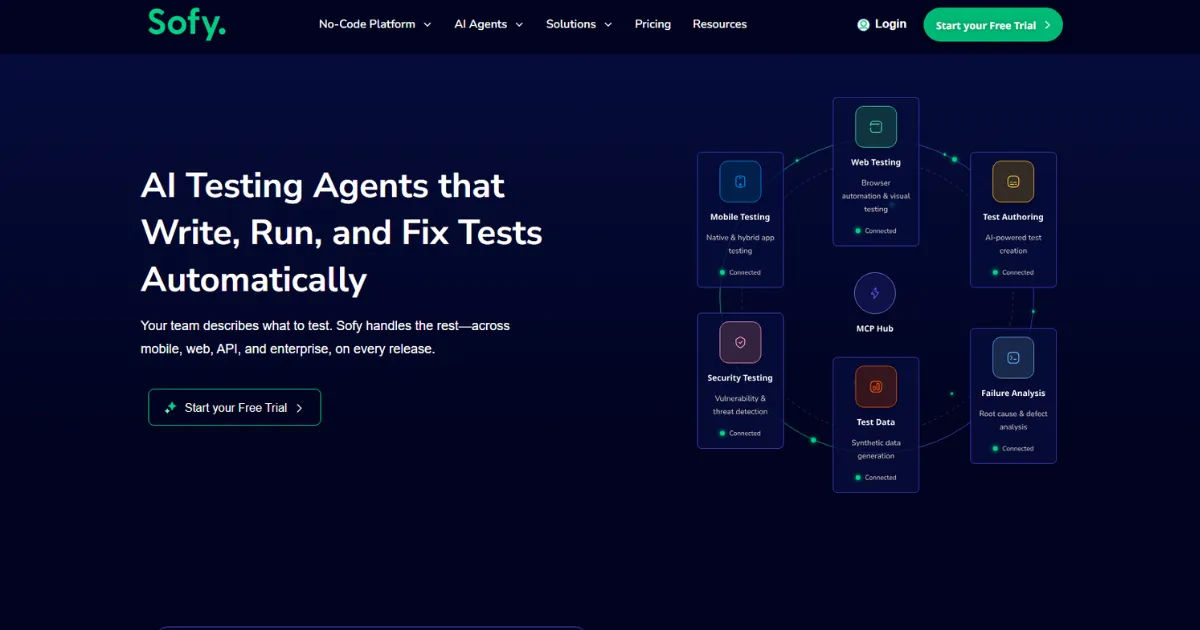
Resilient test automation focuses on creating testing processes that can handle unexpected changes without constant human intervention. Instead of depending on fixed scripts that fail whenever an element moves or changes, resilient automation uses intelligent techniques to identify problems and adjust accordingly.
In today’s fast-paced software development environment, companies need testing solutions that support continuous delivery while maintaining quality. Resilient test automation helps teams save time, reduce maintenance efforts, and deliver better software experiences.
Resilient Test Automation
Resilient test automation means designing automated tests that can continue working even when small changes occur in an application. A normal automated test may fail if a button name changes, a page layout is updated, or an element location is modified. A resilient test system can recognize these changes and find alternative ways to complete the test.
The main goal is not to remove all test failures but to reduce unnecessary failures caused by minor application changes. This allows testers to focus on real defects instead of spending hours fixing broken scripts.
Modern applications are updated frequently. Developers may release new features every week or even every day. Without flexible automation, testing teams may spend more time maintaining scripts than improving testing strategies.
Why Traditional Test Automation Faces Problems
Traditional automation relies heavily on predefined instructions. A test script usually follows a specific path:
-
Open an application
-
Find an element
-
Perform an action
-
Verify the result
This approach works well when applications remain unchanged. However, modern software is rarely stable for long periods.
A simple interface update can break hundreds of automated tests. For example, changing a login button from “Sign In” to “Log In” may cause a script to fail if it depends only on the original text.
Frequent failures create maintenance challenges. Test teams must review failed tests, update scripts, and run them again. This process can slow down development and delay releases.
How Resilient Test Automation Works
Resilient automation uses intelligent methods to make tests more adaptable. Instead of depending on only one identification method, it can analyze multiple factors to locate application elements.
For example, a testing system may use:
-
Element properties
-
Visual appearance
-
Previous test behavior
-
Application structure
-
Artificial intelligence techniques
When a change is detected, the system evaluates available information and chooses the most suitable replacement.
This approach is often connected with self-healing test automation, where automated scripts can repair themselves when they encounter changes. The system learns from previous executions and improves its ability to handle future updates.
Key Features of Resilient Test Automation
Intelligent Element Recognition
One important feature of resilient automation is advanced element recognition. Traditional scripts may search for an element using a single identifier. If that identifier changes, the test fails.
Resilient systems examine different characteristics of an element. They may consider location, appearance, text, and relationships with other elements to identify the correct target.
This makes automated testing more stable and reduces unnecessary failures.
Automatic Script Adjustment
A major advantage of modern automation is the ability to adjust scripts automatically. When an application changes, the testing system can modify its approach without requiring a tester to manually rewrite every step.
This capability improves productivity and allows teams to maintain large test suites more efficiently. self-healing test automation provides a practical solution for organizations managing thousands of automated tests.
Continuous Learning and Improvement
Some resilient automation solutions use machine learning to improve over time. They collect information from previous test runs and use that knowledge to make better decisions.
For example, if a button moves several times during development but continues serving the same purpose, the system can learn how to identify it correctly.
Benefits of Resilient Test Automation
Reduced Test Maintenance
One of the biggest benefits is reduced maintenance work. Testers spend less time repairing broken scripts and more time creating valuable test scenarios.
When applications change frequently, maintenance becomes a major challenge. Resilient automation reduces the impact of those changes.
Faster Software Releases
Companies using continuous integration and continuous delivery need reliable testing processes. Broken automation can slow down development pipelines.
By improving test stability, resilient automation helps teams release software faster while maintaining quality standards.
Improved Test Accuracy
False failures can waste significant time. A test may fail because of a minor interface update rather than an actual software problem.
Resilient approaches help separate real defects from automation issues. This improves the accuracy of testing results.
Better Use of Testing Resources
Testing teams can focus on complex activities such as exploratory testing, security testing, and performance analysis instead of constantly fixing scripts.
Automation becomes a supportive tool rather than a maintenance burden.
The Role of Artificial Intelligence in Resilient Testing
Artificial intelligence has played an important role in improving automated testing. AI allows systems to analyze patterns, recognize changes, and make decisions based on available information.
AI-powered solutions can identify relationships between application components and predict possible failures. These capabilities make automation more flexible and reliable.
Many organizations now use AI-based testing methods to create smarter systems. self-healing test automation uses similar concepts by allowing scripts to adapt when applications evolve.
However, AI does not completely replace human testers. Human knowledge is still necessary for designing test strategies, understanding business requirements, and evaluating important risks.
Challenges of Implementing Resilient Test Automation
Although resilient automation provides many advantages, organizations may face some challenges.
Initial Setup Costs
Building an advanced automation system requires investment in tools, training, and planning. Teams need time to understand new technologies and integrate them into existing workflows.
Learning Curve
Testers must develop new skills to manage intelligent automation systems. Understanding AI-based testing concepts and analyzing automation behavior may require additional training.
Overdependence on Automation
Automation should support testing, not replace human judgment. A completely automated approach may miss usability issues, business concerns, or unexpected user behaviors.
A balanced strategy combines automation with manual testing expertise.
Best Practices for Building Resilient Test Automation
Create Stable Test Strategies
A strong automation foundation begins with clear testing goals. Teams should identify important user journeys and create meaningful test cases.
Poorly designed tests can still fail even with advanced automation tools.
Use Multiple Identification Methods
Relying on one locator method increases failure risks. Combining different identification techniques creates more reliable tests.
Monitor Test Performance
Regular monitoring helps teams understand how automation performs. Reviewing failures and improving test design ensures better long-term results.
Maintain Human Oversight
Even advanced self-healing test automation requires human supervision. Testers should review automated changes to ensure the system is making correct decisions.
Future of Resilient Test Automation
The future of software testing will continue moving toward smarter and more adaptive solutions. As applications become more complex, traditional automation methods will become less effective.
Companies will increasingly adopt intelligent automation that can respond to changes quickly. The combination of artificial intelligence, machine learning, and advanced analytics will make testing systems more powerful.
Future automation platforms may predict failures before they happen, recommend improvements, and create more efficient testing workflows. self-healing test automation will continue playing an important role in creating reliable software delivery processes.
Conclusion
Resilient test automation is an important advancement in software testing because it helps teams manage constantly changing applications. Instead of relying on fragile scripts, organizations can create flexible testing systems that adapt to updates and reduce unnecessary failures.
The ability to recognize changes, adjust automatically, and improve over time makes resilient automation valuable for modern development teams. self-healing test automation supports this goal by reducing maintenance work and improving the stability of automated testing.
While resilient automation requires proper planning, investment, and skilled management, its benefits make it a valuable approach for businesses that want faster releases and higher software quality. As technology continues to evolve, resilient testing methods will become essential for building dependable applications in a competitive digital environment.
About the Author