A strong brand needs more than an attractive logo. It needs consistency across websites, social media, packaging, advertisements, presentations, and other customer touchpoints. Brand Guidelines Design provides a clear framework for how a brand should look, sound, and communicate. But when is the right time to create these guidelines?
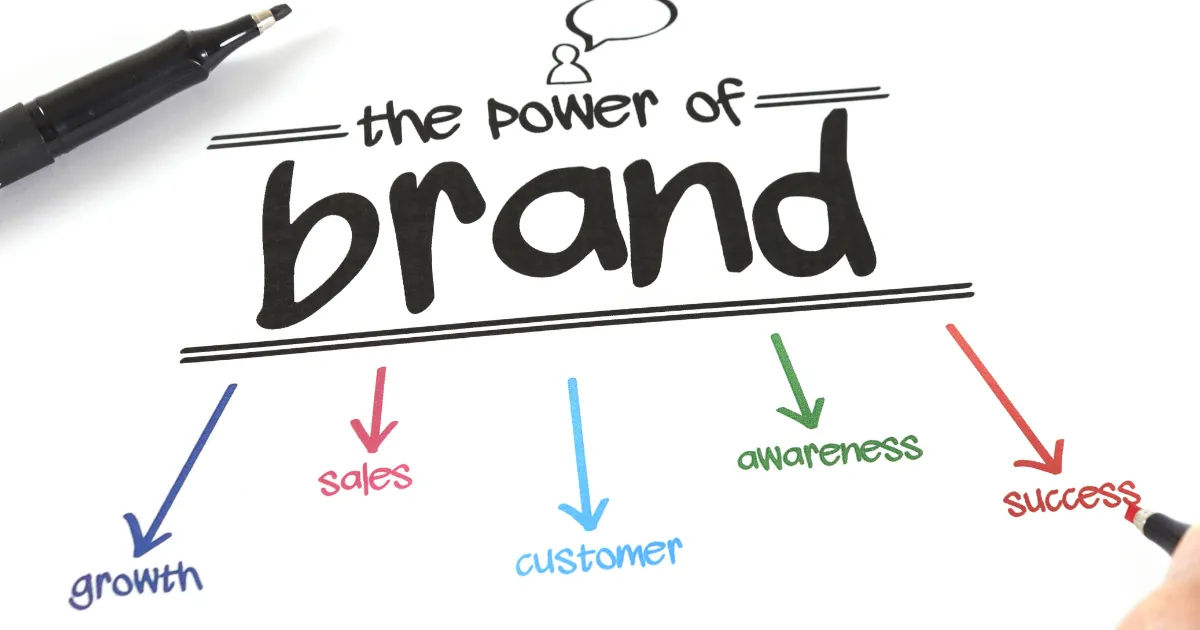
For many businesses, the answer is sooner than they expect. Brand Guidelines Design becomes especially valuable when a company starts growing, adds new team members, works with outside designers, or expands into new markets. Creating them at the right stage can prevent inconsistent branding and make future marketing work much easier.
This comprehensive guide explains when businesses should create brand guidelines, what signs indicate that guidelines are needed, what they should contain, and how they can support long-term brand growth.
What Are Brand Guidelines?
Brand guidelines are a set of rules that explain how a brand should be presented. They help everyone involved in marketing and communication follow the same visual and messaging standards.
These guidelines can cover many areas, including:
- Logo usage
- Brand colors
- Typography
- Photography
- Illustrations
- Graphic elements
- Social media design
- Tone of voice
- Marketing materials
- Website appearance
- Packaging
- Advertising
The exact content depends on the size and needs of the business.
A small startup may need a simple document covering its logo, colors, fonts, and basic communication style. A large company may require a detailed guideline system covering dozens of applications.
Why Timing Matters
Creating guidelines too early can sometimes be unnecessary. A new business may still be testing its identity, audience, products, and market position.
However, waiting too long can create problems.
When different people begin designing marketing materials without clear rules, they may use different colors, fonts, logo versions, and messaging styles. Over time, these small differences can make the brand look disconnected.
The ideal time is usually when the brand identity has become reasonably stable and other people will need to use it consistently.
When Should You Create Brand Guidelines Design?
There is no single date that works for every company. Instead, businesses should look for specific growth and operational signals.
1. When Your Brand Identity Is Finalized
One of the best times to create guidelines is immediately after establishing or updating the brand identity.
If the company has finalized its logo, color palette, typography, imagery, and overall visual direction, documenting those decisions makes sense.
Without documentation, the team may gradually change these elements without realizing it.
A finalized identity gives the guidelines a strong foundation. The document can explain not only what the brand looks like but also how those visual elements should be used.
2. Before Hiring Multiple Designers
A business can often manage its branding informally when one person handles all creative work.
The situation changes when several designers become involved.
Different designers may interpret the same brand differently. One may use a dark version of the logo while another uses an incorrect color. Someone else may choose a different font.
Brand guidelines provide a shared reference point.
Instead of relying on personal interpretation, designers can follow documented standards.
3. When Your Business Starts Growing
Growth is one of the strongest reasons to create guidelines.
As a company expands, it usually produces more marketing materials. It may also hire additional employees, work with agencies, open new locations, or introduce new products.
More people and more materials create more opportunities for inconsistency.
A guideline document helps maintain a recognizable identity even when the company becomes larger.
4. Before Launching a Major Rebrand
A rebrand is another ideal moment to establish formal standards.
A rebrand may involve a new logo, color scheme, typography, messaging strategy, or visual identity. Once these changes are approved, everyone needs to understand how to apply them.
Creating guidelines at this stage ensures the new identity is implemented correctly from the beginning.
It also helps employees understand what has changed and what should remain consistent.
Signs Your Business Needs Brand Guidelines
Sometimes a company does not realize it needs guidelines until problems become obvious.
Several warning signs can indicate that the time has come.
Your Logo Looks Different Everywhere
If your website uses one logo, social media uses another, and presentations use a third version, your branding may already be inconsistent.
Logos often have specific requirements regarding size, spacing, backgrounds, and acceptable variations.
Guidelines can document these requirements.
Your Colors Keep Changing
A brand may officially have three primary colors, but employees may use slightly different shades in advertisements and presentations.
These differences can appear small, but repeated inconsistencies can weaken visual recognition.
A proper guideline document can provide exact color values for digital and print use.
Different Designers Produce Different Results
If two designers create completely different-looking materials for the same company, there may be no shared design system.
Guidelines give designers common rules while still leaving room for creativity.
Employees Ask Basic Branding Questions
Questions such as these are useful warning signs:
- Which logo should I use?
- What font should this presentation use?
- Which colors are approved?
- How should the logo appear on a dark background?
- What tone should our social media posts have?
If these questions occur regularly, documented guidelines can save time.
Create Guidelines Before Scaling Marketing
Businesses often increase their marketing activity as they grow.
They may begin publishing more social media content, running paid advertisements, producing videos, sending email campaigns, and attending industry events.
This is exactly when inconsistency can become expensive.
When every campaign starts from scratch, employees may make different design decisions. A guideline system allows marketers to work faster because many decisions have already been established.
Instead of asking what the brand should look like, they can focus on what the campaign needs to communicate.
What Should Brand Guidelines Include?
The size of the guideline document should match the business.
A simple brand does not necessarily need a 100-page manual. However, important areas should be clearly explained.
Logo Guidelines
The logo section should explain how the logo should and should not be used.
It may include:
- Primary logo
- Secondary logo
- Symbol or icon
- Minimum size
- Clear space
- Approved backgrounds
- Incorrect examples
- Color variations
Showing incorrect examples can be especially helpful because users can immediately see what to avoid.
Color Palette
The color section should identify official brand colors.
It can include RGB, HEX, CMYK, and Pantone values when necessary.
Primary colors should be separated from secondary or supporting colors.
This distinction helps designers understand which colors should dominate and which should be used for accents.
Typography
Typography affects how a brand feels.
Guidelines should identify approved fonts and explain where they should be used.
For example, one typeface might be selected for headings while another is used for body text.
The document can also provide guidance about font sizes, weights, spacing, and hierarchy.
Imagery
Photography and illustrations can strongly influence brand recognition.
A company selling outdoor equipment may use bright, energetic outdoor photography, while a financial institution may prefer professional and trustworthy imagery.
Guidelines can explain the preferred visual style, composition, lighting, subjects, and editing approach.
Graphic Elements
Some brands use specific shapes, patterns, icons, lines, textures, or other visual elements.
These should also be documented.
Graphic elements can help create consistency across materials without requiring the logo to appear everywhere.
Include Voice and Messaging Standards
Branding is not only visual.
The way a company communicates is also part of its identity.
A brand may want to sound:
- Professional
- Friendly
- Educational
- Confident
- Simple
- Energetic
- Helpful
Guidelines can explain the desired tone and provide examples of appropriate language.
They can also identify words or phrases that should be avoided.
This becomes particularly important when multiple writers, marketers, customer service representatives, and agencies communicate with customers.
Create Guidelines Before Working With Agencies
External agencies can bring valuable expertise to a business, but they need accurate brand information.
If an agency receives only a logo file and a short explanation, it may have to make assumptions about the rest of the identity.
A comprehensive guideline document gives the agency a reliable reference.
This can reduce revisions and help external teams produce work that feels connected to existing company materials.
Create Guidelines When Entering New Markets
Expansion can introduce new challenges.
A company entering another country, industry, or customer segment may produce more content than before.
The core identity should remain recognizable while allowing appropriate flexibility.
Guidelines help explain which elements are fixed and which can be adapted.
This balance is important because a brand should remain consistent without becoming unnecessarily restrictive.
Guidelines for Digital and Social Media
Modern brands communicate through many digital platforms.
Each platform has different dimensions, formats, and content expectations.
A good guideline system can explain how the brand should appear across:
- YouTube
- Websites
- Mobile applications
- Digital advertisements
The exact design may change depending on the platform, but recognizable brand elements should remain connected.
Avoid Making Guidelines Too Complicated
A common mistake is creating a document that is technically complete but difficult to use.
Employees should be able to quickly find answers.
The document should use clear headings, examples, visual demonstrations, and straightforward explanations.
Instead of simply saying "maintain adequate clear space," show the required spacing visually.
Instead of saying "use the approved colors," provide the exact color values.
Good documentation should reduce confusion rather than create it.
How to Build Brand Guidelines Step by Step
Step 1: Review the Existing Identity
Collect current logos, colors, fonts, templates, advertisements, social media designs, and other materials.
Look for inconsistencies.
Step 2: Decide What Is Official
Not every existing design element needs to become part of the official identity.
Choose the elements that represent the brand accurately.
Step 3: Document the Rules
Explain how each major element should be used.
Keep the rules specific enough to be useful.
Step 4: Add Examples
Examples make guidelines easier to understand.
Show both correct and incorrect applications where appropriate.
Step 5: Test the Guidelines
Give the document to someone who was not involved in creating it.
Ask them to create a simple marketing piece using only the guidelines.
If they have many questions, the document may need improvement.
Step 6: Update When Necessary
Brand guidelines should not become a forgotten file.
As the business evolves, its identity may require adjustments.
Review the guidelines periodically and update them when important changes occur.
Should a Small Business Have Brand Guidelines?
Yes, although the document can be much smaller.
A small business might start with a concise guide covering its logo, colors, fonts, imagery, and communication style.
This can be enough to create consistency while the company grows.
The goal is not to create an impressive document for its own sake. The goal is to make brand decisions easier and more consistent.
Benefits of Creating Guidelines at the Right Time
Creating guidelines at the appropriate stage provides several advantages.
Better Brand Recognition
Consistent visual elements help customers recognize a company across different channels.
Faster Content Production
Employees do not need to repeatedly decide which fonts, colors, or logo versions to use.
Easier Collaboration
Internal teams and external partners can work from the same reference.
Fewer Design Errors
Clear rules reduce incorrect logo usage, inconsistent colors, and other avoidable mistakes.
Stronger Professional Image
Consistency can make a business appear more organized and established.
Easier Business Growth
As more people join the company, guidelines help preserve the identity that was originally created.
Common Mistakes to Avoid
Creating Guidelines Before the Brand Is Ready
If the visual identity is still changing every few weeks, formal documentation may be premature.
Finalize the important identity decisions first.
Focusing Only on the Logo
A logo is important, but it is only one part of branding.
Colors, typography, imagery, layout, messaging, and tone also matter.
Making Rules Too Restrictive
Guidelines should provide direction without preventing creativity.
Designers need enough flexibility to solve different communication problems.
Never Updating the Document
A company can outgrow its original guidelines.
Review the document whenever there is a significant change in strategy, audience, identity, or communication channels.
Conclusion
The best time to create Brand Guidelines Design is when a business has a stable identity and needs other people to reproduce it consistently. For some companies, that moment arrives soon after launch. For others, it comes during rapid growth, a rebrand, expansion, or the creation of a larger marketing team.
The important point is not to wait until inconsistent branding becomes a serious problem.
A well-planned guideline system creates a shared understanding of the brand. It tells designers how to use visual elements, helps writers maintain the right voice, and gives marketers a reliable foundation for campaigns.
Small businesses can begin with a simple document and expand it over time. Larger organizations may require detailed standards covering everything from logo placement to digital advertising and customer communication.
Ultimately, effective guidelines are not about limiting creativity. They are about creating consistency while giving creative teams a clear starting point. When every person understands the brand and knows how to apply it, the company can communicate more confidently across every customer touchpoint.
About the Author