Choosing the right custom chef aprons is about more than adding a logo or selecting an attractive color. A kitchen apron needs to handle heat, spills, grease, constant movement, and frequent washing while still allowing the chef or kitchen staff to work comfortably. The best apron is one that fits the working environment rather than simply looking good.
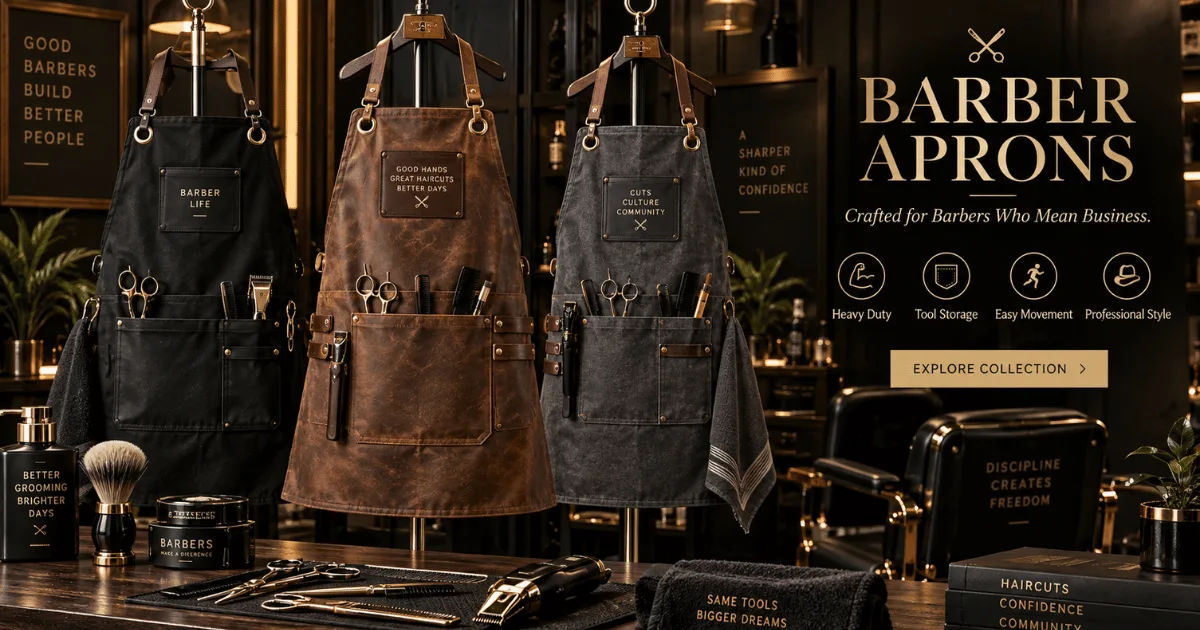
Professional kitchens have different needs from bakeries, cafés, catering businesses, culinary schools, and home kitchens. A chef working over a grill may need heavier protection, while a pastry chef may prefer a lighter apron that allows greater freedom of movement. Material, length, straps, pockets, color, fit, and customization all affect the final choice.
This guide explains which apron styles work best in different kitchen environments and what to consider before ordering them.
Why the Right Chef Apron Matters
A chef's apron is part of everyday kitchen equipment. It protects clothing from food splashes, sauces, oil, flour, and other messes that are difficult to remove from ordinary clothing.
However, protection is only one part of the equation.
A good apron should not feel excessively heavy or restrict movement. Chefs frequently bend, reach, turn, lift pans, and move between preparation stations. An apron that constantly pulls at the neck or gets in the way can become irritating during a long shift.
This is why custom chef aprons should be selected according to the actual demands of the kitchen.
They can also contribute to a professional appearance. Matching aprons can help create a consistent uniform for restaurant teams while displaying a business name, logo, or other branding.
What Makes an Apron Suitable for a Professional Kitchen?
Before choosing a design, consider the conditions in which the apron will be used.
Durability
Commercial kitchens can be demanding. Aprons may be washed repeatedly, exposed to food stains, and subjected to constant handling.
A durable fabric with strong stitching is therefore important. Look for reinforced seams and straps that can withstand regular use.
The apron should maintain its shape after repeated washing rather than becoming loose, distorted, or difficult to wear.
Comfortable Fit
Comfort becomes particularly important during long shifts.
An apron should provide enough coverage without feeling restrictive. Adjustable straps are useful because different employees may have different body shapes and preferences.
Cross-back straps can distribute weight more evenly than traditional neck straps, which may make them more comfortable for people who wear an apron for several hours.
Easy Maintenance
Kitchen aprons get dirty. That is unavoidable.
Choose materials that can be washed easily and that do not require complicated care. A beautiful apron is not very practical if every stain requires special cleaning.
For busy restaurants, easy-care fabric can save considerable time.
Appropriate Coverage
The amount of coverage required depends on the job.
A waist apron may be enough for servers or staff performing light food preparation. A full bib apron is generally more suitable for chefs who work directly with food preparation.
For environments involving significant splashing, a longer apron can offer additional protection.
Which Materials Work Best for Kitchen Aprons?
Material has a major influence on comfort, durability, appearance, and maintenance.
Cotton
Cotton is popular because it feels comfortable and breathable.
It can work well in kitchens where employees spend long hours wearing their aprons. Cotton also has a familiar, natural appearance that suits restaurants, bakeries, and cafés.
The downside is that cotton can absorb liquids and may take longer to dry.
Cotton Blends
Cotton-polyester blends can provide a practical balance between comfort and durability.
The cotton component provides softness and breathability, while polyester can improve resistance to shrinking and wrinkles. This makes blended fabrics a common choice for busy kitchen environments.
For restaurants with frequent washing requirements, blends can be particularly practical.
Denim
Denim aprons offer a heavier and more rugged appearance.
They can work well in modern restaurants, barbecue establishments, cafés, and open kitchens where visual presentation matters. Denim is also relatively durable.
However, heavier denim may feel warm in kitchens with high temperatures.
Canvas
Canvas is another strong option when durability is the priority.
Its sturdy construction can make it suitable for demanding kitchen environments. It is particularly appealing for chefs who prefer a more substantial apron.
The trade-off is weight. A thick canvas apron may be less comfortable during very long shifts in a hot kitchen.
Full Bib Aprons vs. Waist Aprons
The style of apron should match the employee's responsibilities.
Full Bib Aprons
Full bib aprons cover the chest and extend down toward the legs.
They are generally the better choice for chefs, cooks, bakers, and food preparation staff because they provide more coverage.
They can also provide a larger area for branding. A restaurant logo placed around the chest can be clearly visible without interfering with the working area.
Waist Aprons
Waist aprons cover the lower body and are often shorter.
They are useful for servers, bartenders, cafés, and employees who need pockets but do not require extensive protection.
A waist apron may also be appropriate when employees wear coordinated shirts or uniforms that already provide upper-body coverage.
Should Kitchen Aprons Have Pockets?
Pockets can be extremely useful, but their placement matters.
Chefs may use pockets for small kitchen tools, pens, order notes, thermometers, or other lightweight items. However, overloading pockets can make an apron uncomfortable.
Large pockets should also be positioned carefully so that they do not interfere with movement.
For a professional kitchen, a few practical pockets are usually more useful than numerous decorative ones.
How Customization Improves Kitchen Aprons
Customization allows a business to create a consistent appearance across its kitchen team.
A restaurant may add its logo, business name, employee role, or selected colors. The goal should be to create an apron that looks professional without sacrificing functionality.
Logo Placement
The upper chest is a common location for a restaurant logo.
For larger branding, the center of the apron can provide more space. However, placement should be considered alongside pocket locations, seams, and areas that experience frequent wear.
Color Selection
Color affects both appearance and practicality.
Dark colors can make some everyday stains less noticeable, although they can still show flour, dust, and light-colored ingredients. Lighter colors provide a classic culinary appearance but may require more frequent cleaning.
Restaurants can choose colors that complement their interior, uniforms, or overall brand identity.
Embroidery vs. Printing
Embroidery can create a durable and premium-looking logo. It is particularly suitable for restaurants that want a traditional professional appearance.
Printing can provide greater flexibility for detailed graphics and larger designs. The best option depends on the artwork, fabric, washing requirements, and desired appearance.
Which Aprons Suit Different Types of Kitchens?
There is no single apron design that works perfectly for every kitchen.
Restaurant Kitchens
Restaurant chefs generally benefit from durable full bib aprons with comfortable straps and practical pockets.
Because restaurant staff may work long shifts, comfort should be considered just as carefully as appearance.
Bakery Kitchens
Bakers often work with flour, dough, icing, and other ingredients that can quickly cover clothing.
A full apron with good chest and lower-body coverage can be useful. Comfortable fabric is also important because baking can involve extended periods of preparation.
Café Kitchens
Cafés often require a combination of food preparation and customer-facing presentation.
A lighter apron can work well, especially when employees move between the counter and preparation area. Branding is also important because customers can easily see staff uniforms.
Barbecue and Grill Kitchens
Grill environments involve heat, grease, and splashes.
A heavier apron can provide additional protection and durability. However, it should not be so heavy that it becomes uncomfortable in an already hot environment.
Catering Kitchens
Catering staff often work in different locations and may transport equipment and supplies.
Lightweight, easy-care aprons can be particularly practical because they are easier to carry and maintain between events.
How Should You Choose Apron Length?
Apron length should provide enough protection without interfering with movement.
A shorter apron may be more comfortable for workers who move frequently, while a longer apron can provide greater coverage for chefs handling messy preparation tasks.
The ideal length also depends on the employee's height.
Instead of choosing one length simply because it looks good in a product photograph, consider how the apron sits while standing, bending, and walking.
Are Cross-Back Straps Better?
Cross-back straps can be an excellent choice for chefs who dislike pressure around the neck.
Traditional neck straps place some of the apron weight around the neck. Cross-back designs transfer more of the load toward the shoulders and back.
This does not mean cross-back aprons are automatically better for everyone. Personal preference, apron weight, and fit all matter.
For long kitchen shifts, however, trying a cross-back design can be worthwhile.
What Should You Avoid When Ordering Custom Aprons?
Customization can sometimes encourage businesses to focus too heavily on appearance.
Avoid choosing an apron simply because it looks attractive in a catalog.
A very heavy fabric may look premium but become uncomfortable in a hot kitchen. Excessive pockets may add unnecessary weight. Poor-quality straps can become frustrating after repeated washing.
You should also avoid oversized logos that make the apron look more like promotional merchandise than professional kitchen clothing.
The best custom chef aprons balance branding with everyday practicality.
How Many Aprons Does a Kitchen Need?
The number depends on staffing and laundry arrangements.
Each employee should ideally have enough clean aprons for their regular shifts. If staff work several days before laundry is completed, having only one apron per person may create unnecessary problems.
Restaurants should also consider keeping replacement aprons available for damaged or heavily stained items.
A small amount of extra inventory can prevent uniform shortages during busy periods.
How to Care for Custom Chef Aprons
Proper care can significantly extend apron life.
Always follow the manufacturer's washing instructions. Different fabrics and customization methods may have different care requirements.
Remove food debris before washing and avoid leaving stains untreated for long periods when possible.
If an apron has embroidery or printed graphics, harsh cleaning methods may gradually affect its appearance.
Regular washing is essential in food-service environments, but excessive heat or unsuitable detergents can also shorten the life of some fabrics.
How to Choose the Best Option for Your Kitchen
Start by identifying the working conditions.
Ask whether the kitchen is hot or relatively cool, whether employees handle grease or liquids, how long they wear aprons each day, and how frequently the aprons will be washed.
Then consider the employees themselves.
A chef who spends eight or ten hours cooking may prioritize comfort, while a café employee who regularly interacts with customers may place greater emphasis on appearance and branding.
Finally, consider your business identity.
The ideal apron should look like part of the restaurant's uniform rather than an unrelated accessory.
Conclusion
The best custom chef aprons are not necessarily the thickest, longest, or most heavily customized options. They are the ones that match the kitchen's actual working conditions.
For chefs and cooks, full bib aprons with durable fabric, comfortable straps, useful pockets, and adequate coverage are often a strong choice. Bakeries may benefit from comfortable, washable fabrics, while grill kitchens may require heavier materials. Cafés and catering businesses may prefer lighter designs that balance appearance with mobility.
Customization adds another advantage by creating a consistent professional image. A carefully positioned logo, suitable color, and practical design can make kitchen staff look organized without turning the apron into a purely promotional item.
Before placing a large order, consider fabric, fit, maintenance, coverage, strap style, pocket placement, and branding together. A well-designed apron should disappear into the background during a busy shift. Staff should be able to focus on cooking rather than constantly adjusting what they are wearing.
That is ultimately what makes an apron suitable for a kitchen: it protects, fits comfortably, survives regular use, and looks professional while allowing the person wearing it to work without unnecessary distractions.
About the Author