Packaging plays an important role in keeping products safe from the moment they leave a manufacturing facility until they reach the customer. Good packaging does more than make an item look attractive. It protects products from physical damage, moisture, dust, contamination, and other conditions that may affect their quality. Unicorn packaging is one option businesses can consider when they need packaging that combines product protection, practical handling, and visual appeal. 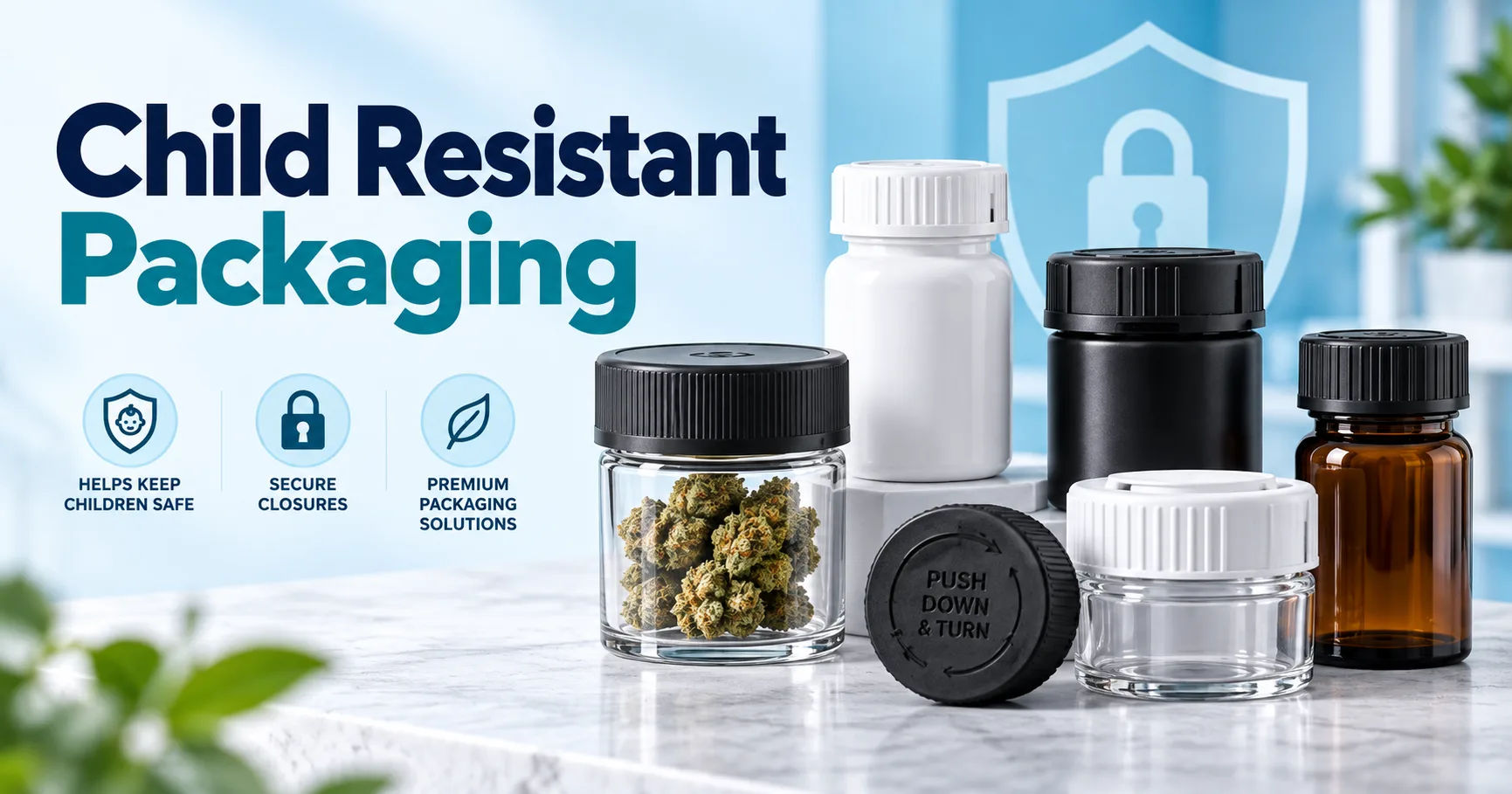 The effectiveness of any packaging solution depends on the product, the materials used, and the conditions in which it will be stored, transported, and sold. Choosing the right pouch container can help businesses reduce product exposure to environmental factors while making storage and transportation easier. However, protection depends on the specific design, material thickness, closure system, and barrier properties rather than the packaging name alone.
Understanding how unicorn packaging works helps manufacturers, retailers, and small business owners make informed decisions. From preventing leaks to supporting product freshness, suitable packaging can protect merchandise, reduce waste, and improve the customer experience.
Unicorn Packaging
Unicorn packaging refers to packaging products associated with a distinctive, often colorful or decorative appearance. Depending on the supplier, the term may describe a particular packaging design, a branded packaging style, or a product-specific format. Therefore, businesses should confirm the exact materials, dimensions, and construction offered by their packaging supplier before making purchasing decisions.
Some packaging options use flexible materials, while others rely on rigid structures. Flexible packaging can be useful for products that need lightweight storage and convenient transportation. Rigid packaging may be more appropriate when a product requires greater structural support.
The most important consideration is not the appearance of the packaging but how effectively its construction matches the needs of the product inside.
What Makes Packaging Protective?
Protective packaging creates a barrier between a product and its surroundings. Depending on its design, it may limit exposure to air, moisture, sunlight, dust, and other contaminants.
For example, a sealed package can help keep dry goods clean during transportation. A stronger outer layer can reduce the likelihood of punctures, while suitable cushioning can protect fragile contents from impact.
Not every package provides all these benefits. A standard plastic pouch, for instance, may resist splashes but still allow oxygen or water vapor to pass through its material. Businesses must select packaging based on the actual risks their products face.
Why Packaging Design Matters
Packaging design affects both protection and usability. A package that is too small may stretch or split under pressure, while an oversized package may allow the product to move around excessively.
The closure is equally important. A poorly sealed opening can allow moisture, air, or contaminants to enter even when the packaging material itself provides an effective barrier.
Businesses should evaluate the complete package, including its seams, closure, thickness, shape, and compatibility with the product.
How Unicorn Packaging Protects Products From Physical Damage
Physical damage is one of the most common problems during product storage and transportation. Packages may be dropped, stacked, compressed, or moved repeatedly before reaching their destination.
Suitable packaging helps reduce these risks by providing a protective outer layer and, where necessary, additional support.
Reducing Scratches and Surface Damage
Products with polished, painted, printed, or delicate surfaces can develop scratches when they rub against other items. Packaging creates separation between the product and external surfaces.
For example, small accessories, decorative items, and personal-care products may benefit from individual packaging that prevents direct contact with other merchandise.
The level of protection depends on the material. Smooth, flexible packaging may prevent minor scratches, while sensitive or fragile products may need foam inserts, protective sleeves, or additional wrapping.
Helping Prevent Punctures and Tears
Sharp edges, rough handling, and heavy objects can damage weak packaging. Once a package tears, the product inside may become exposed to dust, moisture, and other hazards.
Durable packaging materials can reduce the likelihood of accidental punctures. Reinforced seams and appropriate material thickness can also improve reliability.
However, thicker material does not automatically guarantee better protection. Material strength, flexibility, seam construction, and the shape of the product all influence performance.
Protecting Products During Shipping
Shipping involves repeated handling and changing environmental conditions. Packages may be loaded onto vehicles, transferred between warehouses, and stacked with other shipments.
A suitable packaging design helps maintain product condition throughout this process. Lightweight packaging can also reduce shipping weight, although it must remain strong enough for the product's specific requirements.
For fragile goods, businesses should combine the primary package with suitable cushioning and a strong shipping carton. A flexible pouch alone may not provide enough protection against heavy impacts or compression.
Protection Against Moisture, Dust, and Contamination
Environmental exposure can damage products even when they remain physically intact. Moisture may cause corrosion, mold growth, clumping, or changes in texture. Dust and dirt can make merchandise unsuitable for sale, particularly when cleanliness is important.
Packaging helps control these risks by creating a barrier around the product.
Limiting Moisture Exposure
Moisture protection is particularly important for dry foods, powders, paper products, and certain electronic accessories.
Some packaging materials have low water-vapor transmission rates, meaning they allow relatively little moisture to pass through. These materials can help preserve product quality when the package is properly sealed.
For example, a moisture-sensitive powder may require a multilayer package with a suitable moisture barrier. A basic pouch may not offer sufficient protection in humid conditions.
Businesses should consider the local climate, expected storage duration, and moisture sensitivity of the product when selecting packaging.
Keeping Dust and Dirt Away
Dust can affect the appearance and cleanliness of products. It may also interfere with sensitive components or contaminate items that require hygienic handling.
A closed package helps prevent ordinary dust and dirt from reaching the contents. This is especially useful in warehouses, retail displays, and delivery environments where products may be handled frequently.
Nevertheless, packaging should be filled and sealed in an appropriately clean environment. A package cannot remove contamination that was already present before sealing.
Reducing the Risk of Contamination
For products such as cosmetics, personal-care items, and certain food products, contamination control is an important packaging consideration.
A suitable package can reduce contact with external contaminants and help preserve product quality. Tamper-evident features can also provide visible indications that a package may have been opened.
However, ordinary packaging should not automatically be considered sterile or contamination-proof. Products requiring special hygiene standards may need validated packaging processes, controlled filling conditions, and compliance with relevant regulations.
How Packaging Helps Preserve Product Freshness
Freshness matters for products that can deteriorate when exposed to oxygen, moisture, light, or other environmental conditions.
Packaging can slow certain forms of deterioration by controlling exposure. The appropriate level of protection depends on the chemical and physical properties of the product.
Limiting Oxygen Exposure
Oxygen can contribute to oxidation in products containing sensitive oils, fats, fragrances, and other reactive ingredients.
Packaging materials with suitable oxygen-barrier properties can reduce the amount of oxygen that enters the package. Some products may also require air removal, modified-atmosphere packaging, or specialized sealing methods.
A regular sealed pouch does not necessarily prevent oxidation. Businesses should verify the oxygen-barrier performance of the material rather than relying on appearance or general product descriptions.
Protecting Against Light
Light exposure can affect certain ingredients, colors, fragrances, and other light-sensitive materials.
Opaque packaging or materials designed to block specific wavelengths may help reduce this exposure. The best choice depends on how sensitive the product is and how it will be displayed or stored.
For example, a light-sensitive cosmetic formulation may benefit from packaging that blocks light instead of transparent packaging designed primarily to showcase the contents.
Maintaining Texture and Quality
Products such as powders, snacks, and dry ingredients can change texture when they absorb moisture. Some may clump, soften, or lose their intended characteristics.
A package with an appropriate moisture barrier helps limit these changes. For products that need repeated access, resealable closures can provide added convenience.
However, resealing does not always restore the original protective conditions. Each opening may introduce fresh air or moisture, so consumers should follow the product's storage instructions.
The Importance of Material Selection
Material selection is one of the most important factors in packaging performance. Different materials provide different levels of strength, flexibility, transparency, and resistance to environmental conditions.
Businesses should compare available materials according to the specific requirements of their products.
Plastic-Based Materials
Plastic films are widely used because they can be lightweight, flexible, and suitable for many packaging applications.
Different plastic types have different properties. Some provide better moisture resistance, while others offer improved puncture resistance or sealing performance. Multilayer films combine different materials to achieve a balance of properties.
Businesses should also consider whether the packaging material is compatible with the product. Certain ingredients may interact with particular plastics, adhesives, or coatings.
Paper-Based Packaging
Paper-based packaging can offer an attractive appearance and may be suitable for products that do not require a strong moisture or oxygen barrier.
Coatings and liners can improve its resistance to certain environmental conditions. However, these additions may affect recyclability, so the complete material construction should be evaluated.
Paper packaging may not be appropriate for products that are highly moisture-sensitive unless it incorporates a suitable protective barrier.
Multilayer Packaging
Multilayer packaging combines materials to provide several protective benefits in one structure.
For example, one layer may provide strength, another may improve moisture resistance, and another may support heat sealing. This approach can be useful when a single material cannot meet all product requirements.
The trade-off is that some multilayer structures are more difficult to recycle than single-material alternatives. Businesses should consider both protective performance and end-of-life disposal when selecting them.
How Sealing and Closures Improve Product Safety
Even a high-quality packaging material may fail if the opening is not sealed correctly. Seams and closures are potential weak points because they can allow leakage or environmental exposure.
A reliable closure system helps maintain the protective conditions established by the packaging material.
Heat-Sealed Packaging
Heat sealing uses controlled temperature, pressure, and time to join compatible packaging layers.
When properly performed, it can create a strong closure that reduces the risk of accidental opening and leakage. The correct sealing settings depend on the materials being joined and the equipment used.
Manufacturers should regularly inspect seals and conduct suitable quality-control tests. Inconsistent temperatures, contaminated sealing surfaces, or incorrect pressure can weaken the closure.
Resealable Closures
Resealable closures allow consumers to open and close packaging without replacing the entire package.
They are useful for products that are consumed or used over several occasions. A well-designed closure can improve convenience while helping limit exposure between uses.
However, resealable packaging is not automatically airtight or leakproof. The closure must be appropriate for the product, and users should close it correctly after every use.
Tamper-Evident Features
Tamper-evident packaging provides a visible indication that a package has been opened or altered.
Examples include breakable seals, tear strips, and specially designed closures. These features can help customers identify potential interference before using a product.
Tamper evidence is particularly valuable when product integrity and consumer confidence are important. Still, businesses should select features appropriate to the product's risks and applicable safety requirements.
Protecting Products During Storage and Transportation
Product protection does not end when packaging leaves the production line. Storage conditions and transportation practices can significantly influence how well a package performs.
A suitable packaging solution should account for the entire supply chain.
Supporting Efficient Warehouse Storage
Packages with consistent dimensions are generally easier to arrange and organize. Efficient stacking can help businesses make better use of warehouse space and reduce unnecessary movement.
Packaging should be strong enough to withstand the expected stacking pressure. If packages collapse under their own weight or under heavier cartons, the products inside may be damaged.
Businesses should test packaging under realistic storage conditions, particularly when products will remain in warehouses for extended periods.
Handling Temperature Changes
Temperature fluctuations can affect both products and packaging materials.
Heat may soften certain plastics, affect adhesives, or accelerate product deterioration. Cold conditions may make some materials less flexible, increasing the risk of cracking or damage.
Products that require controlled temperatures may need insulated packaging, refrigerated transportation, or other specialized systems.
Standard decorative packaging alone should not be treated as temperature-control protection.
Reducing Leakage During Transit
Liquids, gels, and products containing oils require particular attention to closure design.
Leakage can damage the product itself, contaminate neighboring packages, and create additional handling costs. Suitable seals, compatible materials, and secure outer packaging help reduce these risks.
Businesses should test packages in the positions and conditions they are likely to encounter during transport. This may include vibration, pressure changes, and changes in orientation.
How the Right Pouch Container Can Improve Product Handling
A pouch container can be a practical packaging choice when businesses need a lightweight format that is easy to store and transport. Depending on its construction, it may protect products from ordinary handling damage and limit exposure to dust or moisture.
The term can refer to different packaging formats, so buyers should confirm whether the product is a flexible pouch, a pouch with a rigid component, or another specialized design.
Lightweight and Space-Efficient Design
Flexible packages often take up less space than rigid containers when empty. This can help manufacturers store unused packaging and organize shipping supplies more efficiently.
A lightweight package may also reduce the weight of a shipment compared with a heavier alternative, depending on the product and its protective requirements.
However, packaging should never be made so thin or lightweight that it becomes unreliable. The goal is to balance material efficiency with the level of protection needed.
Convenient Opening and Storage
Some pouch formats include zippers, tear notches, spouts, or other practical features.
These additions can make products easier to open, dispense, or store. They may also improve the customer experience by reducing spills and simplifying repeated use.
The selected design should match the product's intended use. For example, a powder may require a closure that limits accidental spilling, while a liquid may need a secure dispensing feature.
Matching the Package to the Product
Not every product belongs in the same type of pouch. Sharp objects may require puncture-resistant materials, while liquids may need specialized seals. Sensitive foods may require validated food-contact materials and appropriate barrier properties.
Before purchasing packaging, businesses should consider the product's weight, dimensions, chemical composition, storage conditions, and expected shelf life.
Testing sample packages before placing a large order can help identify weaknesses and avoid unnecessary costs.
The Role of Quality Control in Packaging Protection
Quality control helps ensure that packaging performs consistently from one production batch to another.
Without regular checks, defects may go unnoticed until products reach retailers or customers. This can result in damaged goods, customer complaints, and avoidable financial losses.
Inspecting Materials and Seams
Manufacturers should inspect packaging for visible defects, inconsistent thickness, weak seams, and damaged closures.
Where appropriate, they may conduct seal-strength tests, leak tests, compression tests, or puncture-resistance tests.
The testing method should reflect the actual risks associated with the product. A package intended for dry clothing, for example, has different performance requirements from one intended for liquid products.
Testing Under Realistic Conditions
Laboratory testing provides useful information, but real-world conditions also matter.
Businesses can evaluate packages during simulated shipping, extended storage, and repeated opening and closing. These tests help identify problems that may not be apparent during a simple visual inspection.
For sensitive products, testing should also consider temperature, humidity, and product-material compatibility.
Reviewing Supplier Standards
Packaging suppliers should be able to explain their materials, specifications, and relevant compliance documentation.
For food, cosmetics, pharmaceuticals, and other regulated products, businesses should confirm that packaging meets the applicable requirements for its intended use.
Clear specifications make it easier to compare suppliers and maintain consistent product protection.
Sustainability and Responsible Packaging Choices
Product protection and environmental responsibility should be considered together.
Packaging that fails too easily can increase waste because damaged products may need to be discarded or replaced. On the other hand, using excessive packaging can consume unnecessary resources.
The objective is to choose the least resource-intensive option that still provides reliable protection.
Reducing Unnecessary Material
Packaging can sometimes be made more efficient by adjusting its dimensions, removing unnecessary layers, or choosing a suitable alternative material.
These changes should be supported by testing. Reducing material thickness without checking performance may increase punctures, leaks, and product losses.
A well-designed package balances protection, material use, shipping efficiency, and cost.
Considering Recyclability
Recyclability depends on the packaging's complete construction and the collection and recycling systems available to consumers.
Some flexible packages are difficult to recycle through conventional local programs, particularly when they contain multiple bonded layers or mixed materials.
Businesses should seek accurate information from suppliers and avoid claiming that a package is recyclable unless that claim is supported by the material design and the relevant local recycling infrastructure.
Evaluating the Complete Product Life Cycle
Packaging decisions should account for more than the package itself.
A lightweight design may reduce transportation impacts, while a more durable package may prevent product damage. However, the best environmental outcome depends on the materials, manufacturing process, transportation requirements, product lifespan, and disposal options.
Considering the complete life cycle helps businesses make more responsible decisions without compromising essential protection.
Common Mistakes to Avoid When Choosing Packaging
Selecting packaging based only on appearance or price can lead to problems. A package may look attractive but fail to protect the product adequately during shipping or storage.
Businesses should avoid several common mistakes.
Ignoring Product-Specific Requirements
Different products have different vulnerabilities. Food may require moisture and oxygen barriers, electronics may need protection from static electricity, and fragile items may need cushioning.
A general-purpose package may not meet these specialized needs. Identifying the main risks before choosing materials helps prevent unsuitable purchases.
Overlooking Closure Performance
A strong material cannot compensate for a weak seal. Poorly constructed seams and unreliable closures can allow leakage or contamination.
Packaging evaluations should therefore include the entire package rather than focusing on the material alone.
Skipping Package Testing
Assuming that a package will work because it looks durable can be expensive.
Sample testing helps businesses assess whether packaging can handle the expected weight, pressure, moisture, and transportation conditions. Testing is especially important before ordering large quantities.
Choosing Price Over Overall Value
The cheapest packaging option may not offer the best long-term value.
If a low-cost package results in frequent damage, product returns, or customer complaints, the savings can disappear quickly. Comparing total costs, including product losses and shipping issues, gives businesses a clearer picture of value.
Conclusion
Unicorn packaging can help protect products when its design, materials, and closure system match the needs of the items being packaged. Its effectiveness depends on more than appearance. Physical strength, moisture resistance, protection against contamination, reliable seals, and compatibility with the product all contribute to packaging performance.
Businesses should consider the complete journey from manufacturing to storage, transportation, and delivery. A package that works well in a warehouse may still require additional protection during long-distance shipping or exposure to changing temperatures.
Choosing the right pouch container can support convenient handling, efficient storage, and protection from certain environmental conditions. However, businesses should confirm its actual barrier properties and strength rather than assuming that every pouch provides the same level of protection.
Quality-control procedures, realistic testing, and reliable supplier documentation are equally important. These measures help identify weaknesses before products reach customers and reduce the likelihood of leakage, contamination, and physical damage.
Sustainability should also remain part of the decision-making process. Reducing unnecessary materials, evaluating recyclability, and preventing product waste can help businesses balance environmental responsibility with reliable protection.
Ultimately, the best packaging is the one that keeps the product in its intended condition throughout its expected journey. By understanding product requirements, selecting suitable materials, testing closures, and reviewing storage and shipping conditions, businesses can make packaging decisions that support product quality, customer satisfaction, and long-term operational success.
About the Author