When someone is arrested in Los Angeles, California, one of the first concerns for their family is how they can secure the person's release from custody. The process can feel confusing, especially when people are unfamiliar with the criminal justice system, court procedures, and the financial requirements involved. Understanding how bail works can help families make informed decisions during a stressful time.Bail bonds los angeles services can help eligible defendants obtain temporary release from jail while their criminal cases move through the court system. 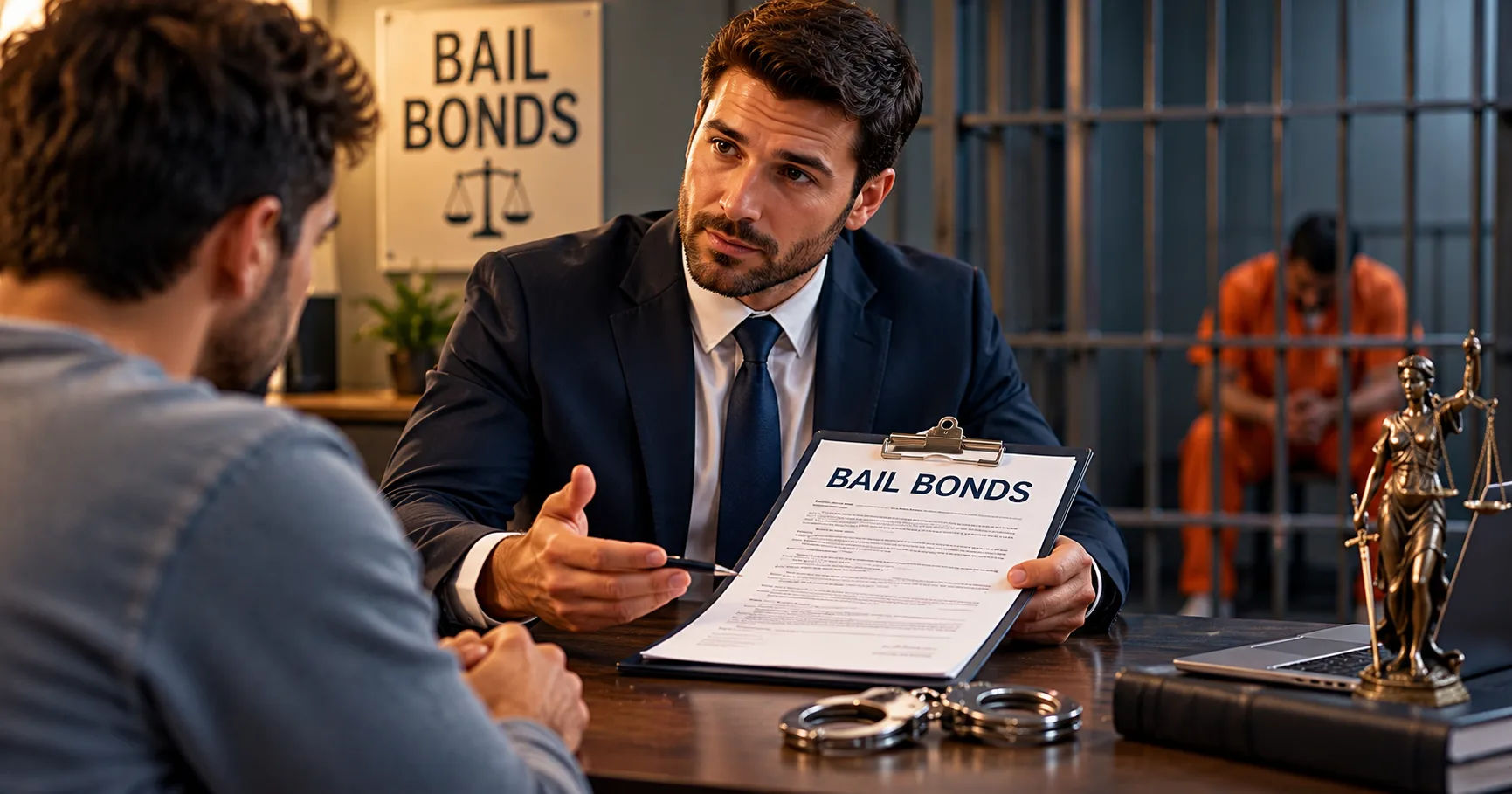 Instead of paying the entire bail amount directly to the court, a defendant or their family may work with a licensed bail bond agent who arranges a bond in exchange for a fee and compliance with the agreement's conditions.
Although the process may seem complicated at first, it generally follows a series of steps: arrest, booking, bail determination, contacting a bail bond company, completing the required paperwork, and waiting for the jail to process the release. Knowing what happens at each stage can help families understand their options, prepare the necessary information, and avoid unnecessary delays.
How Bail Works in Los Angeles
Bail is a financial arrangement intended to help ensure that a defendant returns to court after being released from custody. It allows certain people accused of crimes to remain outside jail while their cases proceed, subject to applicable legal requirements and court orders.
Bail is not a determination of guilt or innocence. A person who is released on bail must still follow the legal process and attend required hearings.
What Is a Bail Bond?
A bail bond is a guarantee provided by a licensed bail agent or surety company to help secure a defendant's release. The bond assures the court that the required amount will be covered if the defendant fails to meet the applicable obligations, subject to the governing rules.
For example, suppose a court sets bail at $25,000. Rather than depositing the entire amount with the court, the defendant's family might contact a bail bond agent. If the agent agrees to provide the bond, the family typically pays a nonrefundable premium and satisfies any additional contractual requirements.
The agent then submits the bond through the appropriate process. If the court and jail accept it and there are no other barriers to release, the defendant may be released from custody.
Why Bail Amounts Differ
Bail amounts vary according to the circumstances of a case. Courts may consider the applicable bail schedule, the alleged offense, the defendant's criminal history, public safety concerns, and the likelihood that the defendant will return to court.
Some people may be released on their own recognizance, meaning they promise to appear in court without paying monetary bail. Others may face specific release conditions, a substantial bail amount, or restrictions on bail eligibility.
In some cases, a judge may deny bail or impose other lawful detention requirements. Therefore, a bail bond is not automatically available to everyone who is arrested.
The Step-by-Step Bail Bond Process
Understanding the process makes it easier to know what to expect after an arrest. Although individual cases differ, the following steps describe how bail bonds los angeles arrangements commonly work.
Step 1: Arrest and Booking
The process usually begins when law enforcement arrests someone. The person is taken to a police station or detention facility, where officers complete booking procedures.
Booking may include recording personal information, taking fingerprints and photographs, checking for outstanding warrants, and documenting the alleged offense. The person may also be searched and placed in a holding area.
The time required for booking depends on the facility's workload, staffing, and the circumstances of the arrest. During this stage, family members may not immediately have all the information they need.
If you are helping someone who has been arrested, try to obtain their full legal name, date of birth, and the location where they are being held. These details can help you locate the correct facility and begin discussing possible release options.
Step 2: Finding the Bail Amount
After booking, the defendant's bail eligibility and amount must be determined according to the applicable procedures. Depending on the case, the amount may be based on the county's bail schedule or set or modified by a judge.
Los Angeles County has multiple detention facilities, and the exact process depends on where the person is being held and the status of the case.
If bail has not yet been established, the defendant may need to wait for a court appearance or another authorized decision. An attorney can help explain whether a bail hearing is appropriate and whether a request for reduced bail or release without monetary bail may be available.
Step 3: Contacting a Bail Bond Company
Once the bail amount and eligibility are known, the defendant or a family member can contact a licensed bail bond company.
When comparing bail bonds los angeles providers, ask about their licensing, fees, payment arrangements, collateral requirements, and the steps involved in submitting the bond.
A reputable agent should explain the agreement clearly before asking you to sign. You should understand what you are paying, what obligations you are accepting, and what could happen if the defendant misses court.
It is also helpful to ask whether the company has experience working with the detention facility holding the defendant. Familiarity with the facility's procedures may help the agent identify the correct submission process, although it cannot guarantee faster release.
Step 4: Providing Information and Documents
The bail bond agent will generally need information about the defendant and the person arranging the bond.
Commonly requested details include:
-
The defendant's full legal name and date of birth.
-
The booking number, if available.
-
The name and location of the detention facility.
-
The bail amount and alleged offense, if known.
-
Contact information for the defendant and the person arranging the bond.
-
Information needed to assess payment arrangements or collateral.
Additional documents may be required depending on the bond, the surety company's rules, and the financial arrangement.
Provide accurate information and ask questions if any part of the paperwork is unclear. Never sign blank documents or accept financial obligations you do not understand.
Step 5: Paying the Premium and Completing the Agreement
After reviewing the information, the bail bond company determines whether it can provide the bond and explains the financial terms.
The premium is the fee paid for the bail bond service. It is generally nonrefundable once the bond has been issued, even if the criminal case is later dismissed or the defendant is found not guilty.
The person arranging the bond may also need to provide collateral or agree to other financial responsibilities. Collateral could include property or other assets, depending on the agreement.
Before paying, request a written breakdown of the premium, any permitted additional charges, payment schedule, collateral terms, and conditions for the person signing the contract.
Step 6: Submitting the Bail Bond
Once the agreement is complete, the bail agent submits the bond to the appropriate court or detention facility through the authorized process.
The paperwork must be accepted and processed before the defendant can be released on that bond. Incorrect information, incomplete documentation, administrative backlogs, or other legal holds can delay the process.
A bond does not override an outstanding warrant, a separate case with its own custody requirements, or a court order that prevents release.
Step 7: Waiting for Release
After the bond is accepted, the jail must complete its release procedures. This may involve checking records, confirming that no other holds apply, completing documentation, and returning the defendant's personal property.
Release is not always immediate. Even when the bond has been submitted successfully, the defendant may remain in custody for several hours or longer, depending on the facility and circumstances.
Families should ask the bail agent for updates and avoid making travel or work arrangements based on an unconfirmed release time.
How Much Do Bail Bonds Cost in Los Angeles?
Cost is one of the most important considerations for families arranging a bail bond. The total amount depends on the bail set in the case, the applicable premium, and the terms of the agreement.
Understanding the Bail Bond Premium
In California, the premium for a standard bail bond is commonly quoted as a percentage of the total bail amount. A frequently cited rate is 10%, but the actual lawful rate and any applicable discounts or additional charges should be confirmed with the licensed agent and relevant California regulations.
For illustration, if the premium is 10%, a $25,000 bond would have a premium of $2,500.
That fee is separate from the $25,000 bail amount. The defendant's family generally does not pay the full bail amount to the agent when using a standard surety bond, although the contract may require collateral or other financial commitments.
The premium is ordinarily nonrefundable, so ask for the exact amount and terms in writing before signing.
Can You Make Payments?
Some bail bond companies offer installment plans or other payment arrangements to qualified customers. Availability depends on the company's policies, the amount of bail, and the financial circumstances of the person signing the agreement.
Ask whether a down payment is required, how much each installment will be, when payments are due, and whether missing a payment could trigger contractual consequences.
Do not assume that every company offers financing or that an advertised monthly payment represents the entire cost.
What Is Collateral?
Collateral is property or another asset pledged to help secure the financial obligations associated with a bond. Depending on the agreement, it may be requested in addition to the premium.
If collateral is required, obtain a written explanation of what asset is being pledged, how its value is determined, and what conditions must be satisfied for its return.
Collateral arrangements can carry substantial financial risk. If the defendant fails to appear in court or other contractual obligations are breached, the consequences may be serious. Ask an attorney for advice if you do not understand the agreement's legal effect.
What Happens After Someone Is Released on Bail?
Getting out of jail is only one part of the process. A defendant released on bail must continue complying with court requirements until the case is resolved or the applicable obligations end.
Attending All Court Hearings
The defendant must appear at every required hearing unless the court excuses their appearance or authorizes another arrangement.
Court dates may be scheduled for arraignment, pretrial proceedings, motions, hearings, or trial. The defendant should keep a record of each date and confirm any changes with their attorney or the court.
Missing a hearing can lead to a bench warrant, forfeiture proceedings, and other consequences. It can also create financial problems for anyone who signed the bond agreement.
Following Release Conditions
A judge may impose conditions of release. Depending on the case, these may include restrictions on travel, orders prohibiting contact with certain people, drug testing, or other lawful requirements.
Defendants should read their release paperwork carefully and ask their attorney to explain anything unclear. Following these conditions helps protect the defendant's legal position and reduces the risk of additional complications.
Communicating With the Bail Bond Agent
The agreement may require the defendant to keep contact information current, respond to reasonable communications, and follow other contractual obligations.
If the defendant moves, changes phone numbers, or encounters a problem that could affect court attendance, they should seek appropriate legal guidance and communicate with the relevant parties as required.
A bail bond agent does not replace a criminal defense attorney. Questions about charges, legal strategy, plea offers, and court proceedings should be directed to qualified legal counsel.
What Happens if a Defendant Misses Court?
Missing a court appearance can create serious legal and financial consequences. The specific outcome depends on the circumstances, the reason for the absence, and the court's response.
Bail Forfeiture and Bench Warrants
If a defendant fails to appear as required, the court may issue a bench warrant and begin proceedings to forfeit the bail bond, subject to applicable laws and procedures.
A forfeiture can place the bail bond company at financial risk. The company may then exercise rights available under its contract and applicable law to address that risk.
A person who signed the agreement could face financial consequences, particularly if they agreed to indemnify the bail agent or pledged collateral.
If an absence occurs because of a medical emergency, transportation problem, or another serious circumstance, the defendant or their attorney should contact the court promptly and seek appropriate legal advice. Do not assume that explaining the situation informally will automatically cancel a warrant or reverse forfeiture proceedings.
Can a Bail Bond Be Reinstated?
In some circumstances, a forfeited bond may be reinstated or the forfeiture may be set aside, but specific legal requirements and deadlines apply. The available options depend on the case and the reason the defendant missed court.
A criminal defense attorney can explain whether a motion or other legal remedy is available. Acting quickly is important because missing a deadline can limit the available options.
How to Choose a Reliable Bail Bond Company
Choosing a bail bond provider involves more than finding someone who promises immediate release. Families should evaluate the company's credentials, transparency, communication, and contract terms.
Verify Licensing and Credentials
California regulates bail bond agents. Before entering an agreement, verify that the agent and company hold the required licenses and are authorized to conduct the transaction.
You can consult the California Department of Insurance for licensing information and consumer guidance.
Avoid providers who refuse to identify themselves, pressure you to sign immediately without reviewing the terms, or make promises that seem unrealistic.
Compare Fees and Contract Terms
When evaluating bail bonds los angeles providers, compare written estimates rather than relying only on verbal quotes.
Ask each company to explain:
-
The total premium and when it becomes due.
-
Whether installment payments are available.
-
Whether collateral is required.
-
The circumstances under which collateral will be returned.
-
Your obligations if the defendant misses court.
-
Any cancellation, indemnity, or other contractual provisions.
The cheapest advertised price is not necessarily the best option if the contract contains unclear or unfavorable conditions.
Look for Clear Communication
A reliable agent should explain the process in understandable language, answer questions, and provide updates about the bond submission.
Ask who will handle the case, how to reach that person, and how updates will be communicated. You should know what the agent can do and which steps remain under the control of the court or jail.
Be cautious about anyone who guarantees a precise release time or claims that paying a fee can bypass legal restrictions.
Can Someone Be Released Without Using a Bail Bond?
Yes. A commercial bail bond is not the only possible way to obtain release from custody. The appropriate option depends on the defendant's eligibility, the alleged offense, and the court's decisions.
Release on Own Recognizance
A release on own recognizance, often called an O.R. release, allows an eligible defendant to leave custody based on a promise to appear in court, without posting monetary bail.
Courts may consider factors such as community ties, prior court appearances, the nature of the allegations, and public safety concerns. Eligibility is not automatic, and a defendant may need to request consideration through the appropriate process.
Paying Bail Directly
Where permitted, a defendant or another person may deposit the required bail amount directly through an authorized court or jail procedure.
The rules for acceptable payment methods, refunds, and the return of deposited funds vary according to the circumstances. A cash deposit may be returned after the case concludes and the applicable conditions are met, subject to court orders, deductions, and other legal requirements.
This differs from a bail bond premium, which is generally nonrefundable.
Seeking Legal Assistance
A criminal defense attorney can review the circumstances of the arrest, explain bail eligibility, and advise whether requesting reduced bail or another form of release is appropriate.
For people who cannot afford an attorney, potential options may include the public defender or other court-appointed counsel, depending on eligibility and the stage of the proceedings.
Families should compare available options carefully rather than assuming a commercial bail bond is always necessary.
Common Questions About Bail Bonds in Los Angeles
How quickly can a bail bond get someone released?
The timing varies according to booking status, bail eligibility, paperwork, bond acceptance, and jail processing. Some releases occur within hours, while others take considerably longer. No company can guarantee an exact release time in every case.
Is the bail bond premium refundable?
Generally, no. The premium pays for the bail bond service and is usually nonrefundable once the bond has been issued. This is different from eligible cash bail deposits, which may be returned after the case concludes, subject to applicable rules and court orders.
Can a family member arrange a bail bond?
Yes. A family member or another eligible person may contact a licensed bail agent and arrange a bond for a defendant. The person signing the agreement should understand the financial obligations, collateral requirements, and potential consequences if the defendant fails to appear in court.
Does posting bail mean the charges are dismissed?
No. Bail concerns release from custody, not the outcome of a criminal case. The prosecution may continue pursuing the charges, and the defendant must comply with court requirements.
Can bail be reduced after it has been set?
In some cases, a judge may reduce bail or authorize another form of release. The defendant's attorney can explain the applicable process, the factors the court may consider, and whether requesting a change is appropriate.
Conclusion
Understanding how bail bonds los angeles work can help defendants and their families make better decisions during an uncertain and stressful period. Although every arrest involves different circumstances, the process generally includes booking, determining bail eligibility, contacting a licensed bail bond agent if necessary, completing the required paperwork, paying the agreed premium, and waiting for the detention facility to process the release.
The financial side deserves careful attention. A bail bond premium is generally nonrefundable, and collateral or contractual obligations may create additional risks. Before signing an agreement, confirm the agent's licensing, request a written explanation of all costs, and make sure you understand your responsibilities.
It is equally important to remember that release from custody does not end the criminal case. Defendants must attend required court hearings, comply with release conditions, and communicate with their attorneys about legal questions. Missing a hearing can result in warrants, forfeiture proceedings, and other serious consequences.
Families should also consider alternatives, such as release on own recognizance, direct payment of bail where permitted, or seeking a change in the bail conditions. A commercial bail bond may be useful, but it is not necessarily the right solution for every case.
Ultimately, the best approach is to gather accurate information, verify the available options, and avoid making rushed financial decisions. By understanding the process and working with qualified legal professionals and properly licensed bail agents, families can navigate the release process more confidently while protecting their financial interests and supporting the defendant's compliance with the law.
About the Author