Chicago is famous for its diverse food culture, from deep-dish pizza and classic American diners to international street food and modern burger restaurants. Among these options, halal burgers have become a popular choice for diners who want delicious meals that follow Islamic dietary guidelines. Whether someone prefers a traditional cheeseburger, a double smash burger, or a spicy chicken burger, understanding what makes the food halal is an important part of choosing where to eat.
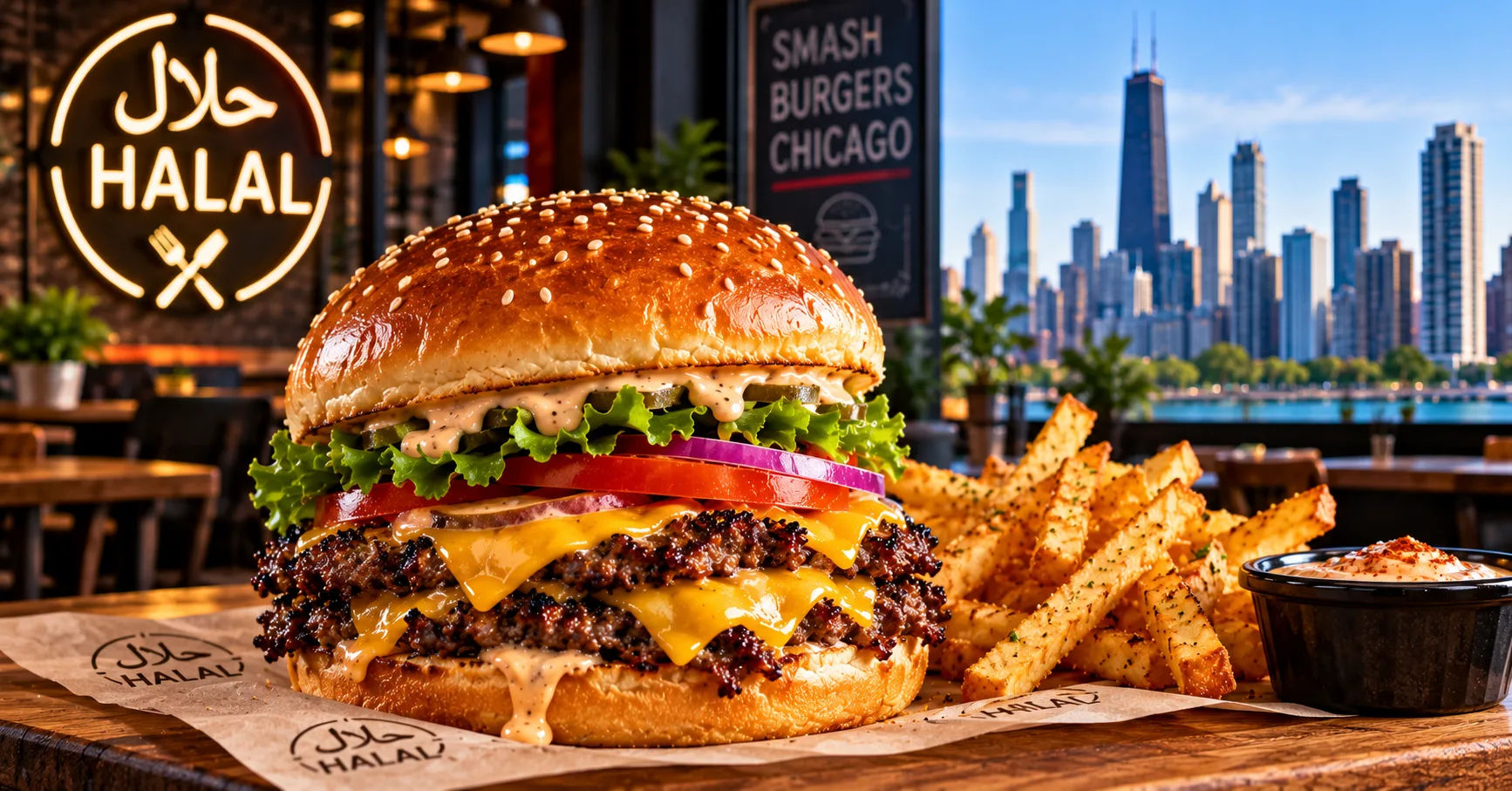
The key to understanding Halal Burgers in Chicago is recognizing that halal status depends on more than the type of meat used. The source of the meat, the slaughter method, the ingredients in the bun and sauces, and the restaurant's food-handling practices can all matter. A burger may look and taste like any other burger while following specific religious requirements throughout its preparation.
For Muslim residents, visitors, and anyone interested in halal dining, knowing these details makes restaurant choices easier. This guide explains the meaning of halal, the importance of meat sourcing, ingredient verification, kitchen practices, certification, and the questions customers can ask before ordering a burger in Chicago.
The Meaning of Halal
Halal Burgers in Chicago halal means permissible or lawful. In food, it describes items that are allowed under Islamic dietary rules.
Halal food is not limited to meat. It can include bread, vegetables, grains, dairy products, sauces, seasonings, and many other ingredients, provided they meet the relevant requirements.
For a burger to qualify as halal, the ingredients and preparation process must be consistent with the applicable Islamic dietary standards.
The Difference Between Halal and Haram
In Islamic dietary law, halal refers to what is permitted, while haram refers to what is prohibited.
Pork and its derivatives are prohibited, as are intoxicating alcoholic beverages. Meat from otherwise permissible animals must also meet the relevant slaughter requirements.
These rules explain why a burger cannot be considered halal simply because it contains beef instead of pork. The meat's source and processing must also be considered.
Why Halal Standards Matter
Halal standards provide guidance about what Muslims can eat and how food should be prepared. For many people, following these standards is an important part of religious observance.
Restaurants that understand halal requirements can help customers make informed choices by providing clear information about their ingredients, suppliers, and kitchen practices.
The Importance of Halal Meat
Meat is usually the most important consideration when evaluating whether a beef burger is halal.
Beef comes from a permissible animal, but it must also meet the relevant Islamic requirements for slaughter and handling. This is why restaurants need reliable suppliers rather than simply purchasing ordinary ground beef from any available source.
What Is Zabiha Halal Meat?
Zabiha refers to the Islamic method of slaughtering permissible animals. It is commonly used by Muslims who want assurance that their meat was slaughtered according to Islamic requirements.
These requirements generally include invoking the name of Allah and performing the prescribed slaughter procedure, subject to the applicable religious interpretation and certification standard.
However, halal standards can differ on certain commercial practices. For example, some diners specifically require hand-slaughtered meat, while others accept meat certified under standards that permit certain forms of mechanical slaughter.
Customers who have a specific preference should ask the restaurant to explain its supplier's slaughter method rather than assuming that every halal label means the same thing.
Choosing a Reliable Meat Supplier
A restaurant's meat supplier plays an important role in maintaining halal compliance.
Reliable suppliers should be able to provide appropriate information about the meat's origin, slaughter procedures, processing, and certification where applicable.
Restaurants that maintain good supplier records are better positioned to answer customers' questions accurately.
For diners, asking whether the beef is halal-certified and which supplier provides it can be a useful starting point. If Zabiha slaughter is a personal requirement, ask whether the certification specifically covers that standard.
What Ingredients Make a Burger Halal?
A burger contains more than a patty. The bun, cheese, seasoning, sauces, and toppings may all contribute to its overall halal status.
Most basic burger ingredients are naturally permissible, but processed products sometimes contain additives that require closer examination.
Ground Beef and Chicken
Halal beef and chicken must come from permissible animals and meet the applicable slaughter requirements.
The meat should also be stored and handled appropriately. If a restaurant offers both halal and non-halal products, it should have suitable procedures to prevent cross-contact.
Customers should not assume that all meat sold at the same restaurant has identical sourcing or certification.
Burger Buns
Burger buns are commonly made from flour, water, yeast, sugar, oil, and salt. These ingredients are generally straightforward from a halal perspective.
However, commercially produced bread can contain additional ingredients, such as emulsifiers, enzymes, or processing aids. If an ingredient's origin is unclear, the restaurant or manufacturer may be able to provide further information.
A halal meat patty does not automatically establish that every other component is suitable.
Cheese and Dairy Products
Cheese adds flavor and texture to many burgers. Cheddar, mozzarella, and American-style cheese are common choices.
Some cheese-making processes use rennet or other enzymes, which may come from different sources. Depending on the product and the halal standard being followed, these ingredients may need verification.
Customers who are careful about halal compliance can ask whether the cheese is certified or whether its ingredients have been checked.
Sauces and Condiments
Ketchup, mustard, mayonnaise, barbecue sauce, and specialty burger sauces are widely used in Chicago burger restaurants.
Many standard condiments are suitable for halal diets, but recipes vary between manufacturers. Certain sauces may contain alcohol-derived ingredients or other components that require clarification under the relevant halal standard.
Restaurants can help by using verified products and keeping ingredient information available for customers.
Vegetables and Other Toppings
Lettuce, tomatoes, onions, pickles, jalapeños, and mushrooms are generally permissible ingredients.
The main concerns are usually cleanliness, handling, and contact with other foods rather than the vegetables themselves.
Fresh toppings also improve the flavor and texture of a burger, balancing the richness of the meat and cheese.
How Restaurant Preparation Affects Halal Status
Even when all ingredients are suitable, preparation practices remain important.
A restaurant should handle halal ingredients in a way that prevents contamination with prohibited foods. Appropriate procedures may involve separate storage, dedicated utensils, designated cooking areas, or thorough cleaning and separation practices.
Preventing Cross-Contact
Cross-contact can occur when food touches a surface, utensil, or piece of equipment that has been used for another ingredient.
For example, cooking halal beef on a grill that has also been used for pork may raise concerns for customers who require strict separation.
Restaurants should explain how they manage these situations. The appropriate method depends on the relevant halal standard and the circumstances of the kitchen.
Storage and Transportation
Halal meat should be transported and stored in a way that preserves its status under the applicable requirements.
Restaurants should also keep raw meat separate from ready-to-eat ingredients and cooked foods to reduce food-safety risks.
These procedures protect both the integrity of the ingredients and the health of customers.
Cleaning and Food Safety
Clean equipment and proper hygiene are essential in every kitchen. Employees should wash their hands, sanitize food-contact surfaces appropriately, and use clean utensils when preparing food.
Food safety is separate from halal compliance, but both are important. For example, ground beef should be cooked to an internal temperature of 71°C (160°F) to reduce the risk of foodborne illness.
The Role of Halal Certification in Chicago
Halal certification can provide additional assurance about a restaurant's ingredients and procedures.
A certifying organization may review suppliers, ingredients, food-handling practices, and other relevant aspects of a business. The exact process depends on the organization and the scope of its certification.
What Certification Can Tell You
A current certificate from a credible halal-certification organization can help customers understand which products or operations have been assessed.
However, it is important to check what the certificate actually covers. Certification for packaged beef, for example, does not necessarily mean that every item on a restaurant's menu has been certified.
If you require a particular slaughter method, verify that the certification addresses that requirement.
What If a Restaurant Has No Visible Certificate?
A missing certificate does not automatically prove that a restaurant serves non-halal food. Some businesses rely on supplier documentation or other verification methods.
Nevertheless, customers may find it more difficult to confirm the restaurant's practices without clear documentation.
Ask the staff about their meat supplier, certification, and preparation procedures. A restaurant that understands its sourcing should be able to provide a clear explanation or direct you to someone who can.
How to Identify Halal Burgers in Chicago
Finding a suitable burger restaurant becomes easier when you know what to look for.
Look Beyond the Menu Description
A menu may use terms such as halal beef, halal chicken, or halal burgers. These descriptions can be helpful, but they may not answer every question about sourcing and preparation.
Look for additional details, such as the name of a certifying organization or information about the restaurant's meat supplier.
If the restaurant advertises Zabiha halal meat, ask what that means in its specific supply chain.
Ask Direct Questions
Before ordering, consider asking:
-
Is all the beef used in your burgers halal?
-
Is the meat certified Zabiha halal?
-
Which supplier provides the beef or chicken?
-
Are the cheese, sauces, and buns checked for halal suitability?
-
How do you prevent cross-contact with pork or other prohibited ingredients?
-
Does your certification cover the kitchen and the specific burger I want to order?
These questions are practical and respectful. They help you decide whether the restaurant meets your requirements without relying on assumptions.
Check Information Regularly
Restaurant suppliers, menus, and kitchen procedures can change. A business that previously used one supplier may later switch to another.
If halal status is particularly important to you, confirm current information rather than relying entirely on an old review, an outdated menu, or a third-party listing.
Common Misconceptions About Halal Burgers
Several misunderstandings can make it harder to judge whether a burger meets halal requirements.
All Beef Burgers Are Halal
This is incorrect. Beef comes from a permissible animal, but its slaughter and handling must also meet the relevant Islamic requirements.
Every Halal Label Means Zabiha
Not necessarily. The terms may be used differently depending on the certification standard and the restaurant's sourcing practices.
If you specifically require Zabiha slaughter, ask for confirmation rather than relying on the word halal alone.
Vegetarian Toppings Make Any Burger Halal
Vegetables are generally permissible, but a burger containing vegetables can still include unsuitable sauces, cheese, or bread. Its preparation may also raise cross-contact concerns.
A Halal Restaurant Never Needs Further Verification
A restaurant's reputation can be helpful, but suppliers and procedures may change. Clear, current information provides stronger assurance than assumptions based solely on a business's name or location.
Why Halal Burgers Are Popular in Chicago
Chicago's food culture includes a wide range of international cuisines and contemporary dining styles. Burgers fit naturally into this environment because they can be customized in many ways.
Halal options allow Muslim diners to enjoy familiar favorites while paying attention to their dietary requirements.
Restaurants may offer classic cheeseburgers, smash burgers, spicy chicken burgers, mushroom burgers, and other variations. Different buns, sauces, and toppings create variety without changing the basic appeal of the meal.
For restaurants, transparent ingredient information and reliable sourcing can also help build customer trust.
Conclusion
What makes a burger halal is the combination of suitable ingredients, appropriate meat sourcing, and preparation practices that follow Islamic dietary requirements. In Chicago, the label alone may not provide every detail a customer needs, especially if the customer specifically requires Zabiha halal meat.
The first step is to understand where the beef or chicken comes from and whether it meets the applicable slaughter requirements. The next is to consider the other ingredients, including bread, cheese, seasonings, and sauces. Finally, kitchen practices should prevent prohibited ingredients from contaminating the food.
When evaluating Halal Burgers in Chicago, look for credible certification where available, ask about suppliers, and confirm how the restaurant handles its ingredients. If you follow a particular interpretation of Zabiha requirements, explain what you need to know so the restaurant can give you a relevant answer.
A clear and informed approach makes it easier to enjoy burgers while respecting your dietary standards. By checking the meat, reviewing the ingredients, and asking sensible questions, you can make a decision based on reliable information rather than assumptions.
About the Author