Starting a career in the beauty industry can be an exciting opportunity for people who enjoy creativity, personal care, and working with others. The beauty and wellness sector continues to offer different career paths, including skincare, makeup, haircare, beauty treatments, and professional salon services. However, entering this industry requires more than an interest in beauty. 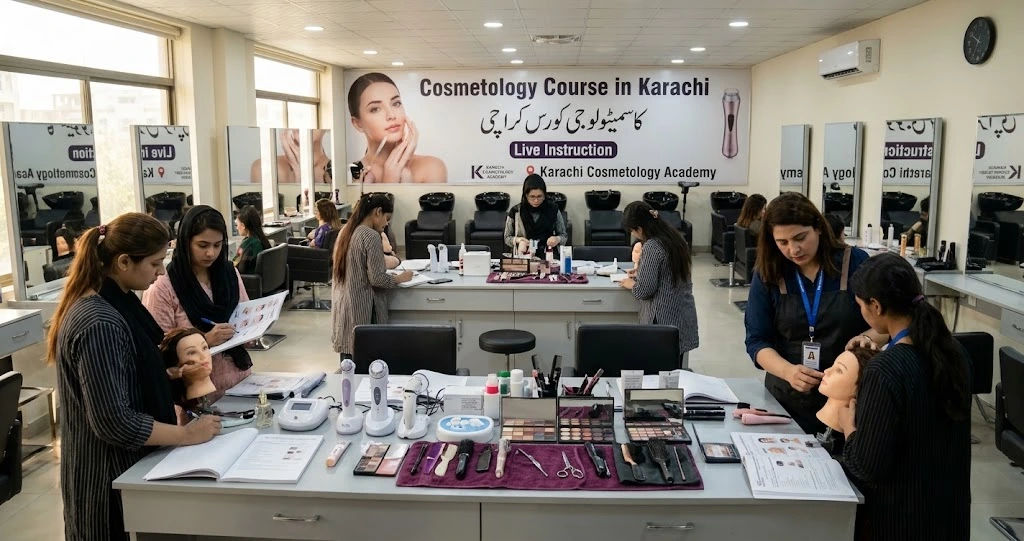 Proper education, practical experience, and professional skills are important for long-term success.
For beginners who want to explore this profession, enrolling in a cosmetology course in Karachi can be a valuable first step. Such training introduces students to different beauty techniques, professional equipment, skincare knowledge, hygiene practices, and client management. It can also help learners understand how beauty businesses operate and what employers expect from trained professionals.
Karachi offers opportunities for people interested in developing careers in salons, beauty studios, skincare clinics, makeup services, and independent beauty businesses. With the right training and dedication, students can gradually turn their interest into a professional skill set.
But can professional cosmetology training genuinely help someone start a successful career? The answer depends on the quality of education, the amount of practical experience, personal commitment, and the career direction a student chooses.
Cosmetology as a Professional Career
Cosmetology is a broad field that focuses on beauty, personal appearance, and professional care. It combines practical techniques with knowledge of skin, hair, nails, hygiene, and cosmetic products.
Unlike informal beauty learning, professional cosmetology education follows a structured approach. Students learn how to perform treatments correctly, understand different client requirements, and maintain professional standards.
What Does a Cosmetologist Do?
A cosmetologist provides beauty-related services based on their training and qualifications. Their responsibilities may include:
-
Providing basic skincare treatments.
-
Performing facial cleansing and beauty procedures.
-
Applying professional makeup.
-
Offering haircare and styling services.
-
Providing nail care and grooming.
-
Recommending suitable cosmetic products.
-
Maintaining cleanliness and sanitation.
-
Understanding individual client preferences.
The exact services depend on the professional's specialization, training, and local regulations.
Why Is Cosmetology a Growing Career Choice?
Beauty and personal grooming have become important parts of everyday life. People regularly look for professional services for weddings, celebrations, workplace events, and personal care.
Social media has also increased interest in makeup trends, skincare routines, hair treatments, and beauty techniques.
These developments create opportunities for trained professionals who understand current trends and can provide reliable services.
How a Cosmetology Course in Karachi Helps Beginners
Starting a career without proper training can be challenging. Beginners may understand basic beauty techniques but often lack the knowledge needed to provide professional services.
A structured cosmetology course in Karachi can help students develop essential skills through lessons, demonstrations, and supervised practice.
Provides Professional Beauty Knowledge
One major advantage of professional education is learning the science and principles behind beauty treatments.
Students become familiar with different skin types, hair conditions, cosmetic ingredients, and beauty products. This knowledge helps them understand why certain treatments work for particular clients.
For example, someone with dry skin may require a different skincare approach from someone with oily skin.
Understanding these differences allows beauty professionals to make more informed recommendations.
Develops Practical Skills
Beauty services require hands-on experience. Watching tutorials or reading instructions cannot completely replace practical training.
During a course, students may practise facial techniques, makeup application, hair styling, nail care, and other beauty procedures.
Practical sessions help learners improve their confidence, accuracy, and ability to work with different clients.
Builds Professional Confidence
Beginners sometimes feel nervous when performing beauty treatments for the first time.
They may worry about choosing the wrong products, making mistakes, or handling customer expectations.
Professional training provides a controlled environment where students can practise under supervision.
As their abilities improve, they become more comfortable performing services independently.
Important Skills Students Learn During Cosmetology Training
A successful career in the beauty industry requires a combination of technical knowledge and personal abilities.
A good training programme should focus on both.
Skincare and Facial Treatment Skills
Skincare is an important part of cosmetology education.
Students may learn about:
-
Different skin types and conditions.
-
Basic skin analysis.
-
Facial cleansing techniques.
-
Exfoliation methods.
-
Facial massage.
-
Masks and moisturising products.
-
Basic skincare hygiene.
Understanding skincare helps professionals select appropriate products and provide treatments according to their training.
Students should also learn when a skin concern requires referral to a qualified dermatologist rather than a cosmetic treatment.
Makeup Application
Makeup is another important area of professional beauty training.
Students can learn how to prepare the skin, select suitable foundations, blend products, and create different makeup looks.
Training may cover:
-
Natural everyday makeup.
-
Party makeup.
-
Bridal makeup.
-
Eye makeup techniques.
-
Contouring and highlighting.
-
Colour matching.
-
Makeup tool maintenance.
These skills can help students explore employment opportunities in salons, makeup studios, and freelance beauty services.
Haircare and Styling
Haircare knowledge can expand career opportunities.
Depending on the course structure, students may learn shampooing, conditioning, blow-drying, basic styling, and hair preparation.
Some advanced programmes may also introduce hair colouring, chemical treatments, and professional styling techniques.
However, students should receive appropriate supervision before performing advanced procedures.
Hygiene and Client Safety
Hygiene is one of the most important responsibilities in the beauty industry.
Students must understand how to clean tools, disinfect reusable equipment, maintain workstations, and handle cosmetic products safely.
They should also learn about allergies, product reactions, and situations in which a treatment should not be performed.
Professional hygiene practices protect both clients and service providers.
Career Opportunities After Completing a Cosmetology Course
One of the biggest advantages of cosmetology education is the variety of career directions available.
Students do not necessarily have to follow one professional path. They can explore different areas depending on their interests, skills, and qualifications.
Working in a Beauty Salon
A beauty salon can be an excellent starting point for someone entering the industry.
New professionals may begin as assistants or junior beauty technicians.
They can gain experience by working with experienced staff, observing customer interactions, and practising approved services.
With time, they may become more independent and develop a regular client base.
Becoming a Professional Makeup Artist
Students who enjoy creative work may choose makeup artistry.
Professional makeup artists provide services for weddings, parties, photography sessions, fashion events, and other occasions.
Bridal makeup can be a particularly interesting specialization because clients often require detailed consultations and personalized looks.
A strong portfolio can help beginners demonstrate their abilities to potential customers.
Starting a Freelance Beauty Business
Not everyone wants to work in a traditional salon.
Some trained professionals prefer offering beauty services independently.
Freelancing allows them to serve clients at home, travel for appointments, or operate from a dedicated beauty space.
However, independent work requires more than technical skills. Professionals must manage appointments, communicate clearly, maintain hygiene, and promote their services.
Working in Skincare and Beauty Studios
Another option is working in a skincare studio or beauty centre.
Depending on their qualifications, professionals may assist with basic facials, cosmetic skincare routines, and other non-medical beauty services.
Advanced procedures involving medical devices, injections, lasers, or medical-grade treatments require separate qualifications and appropriate legal authorization.
Students should understand these professional boundaries before selecting a specialization.
Becoming a Beauty Educator
Experienced beauty professionals may eventually explore teaching.
They can work as trainers in beauty academies or provide practical guidance to beginners.
This career direction generally requires strong professional experience, teaching abilities, and suitable qualifications.
Can You Start a Beauty Business After Training?
Yes, cosmetology education can provide a foundation for starting a small beauty business.
However, completing a course does not automatically guarantee business success.
Students should first develop their technical abilities and understand the practical responsibilities involved in operating a service-based business.
Start With a Small Service Selection
New professionals should avoid offering too many services immediately.
Instead, they can begin with treatments they have learned properly and can perform confidently.
For example, someone with strong makeup skills might initially offer party makeup and basic event makeup services.
Another professional may focus on basic facials or grooming services within their qualifications.
Starting with a manageable service list makes it easier to maintain quality.
Create a Professional Portfolio
A portfolio helps potential customers understand the quality of your work.
Students can document their practical projects and completed looks with permission from the people involved.
A useful portfolio should include clear photographs, different styles, and examples of relevant services.
Social media platforms can also help beginners display their work and communicate with potential clients.
Business Management
Running a beauty business involves several responsibilities.
These may include:
-
Setting reasonable service prices.
-
Purchasing professional products.
-
Managing appointment schedules.
-
Maintaining customer records.
-
Controlling expenses.
-
Promoting services.
-
Providing consistent customer support.
Learning these basic business skills can help new professionals manage their work more effectively.
How to Choose the Right Cosmetology Academy in Karachi
Choosing the right training institute is an important decision.
Not every academy offers the same subjects, facilities, teaching quality, or practical experience.
Before enrolling in a cosmetology course in Karachi, students should carefully compare different institutes.
Check the Course Curriculum
The curriculum should explain exactly what students will learn.
Look for programmes that include relevant subjects such as skincare, makeup, haircare, nail care, hygiene, and client consultation.
If you have a particular career goal, make sure the course covers the skills needed for that direction.
For example, someone interested in bridal makeup should look for sufficient makeup practice.
Evaluate the Trainers
Experienced instructors can make a major difference in the learning process.
Ask about the trainers' professional backgrounds, qualifications, and practical experience.
A good instructor should explain techniques clearly, demonstrate procedures, and provide constructive feedback.
Students should also have opportunities to ask questions during practical sessions.
Look for Hands-On Training
Practical education is essential for beauty professionals.
Before joining an academy, find out how much time students spend practising instead of only attending theoretical lectures.
Ask whether the institute provides practice materials, equipment, supervised sessions, and opportunities to work with different models.
A programme with meaningful practical experience can help students become more confident.
Understand Certification
Certificates can help demonstrate that a student has completed a particular training programme.
However, the value of a certificate depends on the institute, its recognition, the curriculum, and the relevant professional requirements.
Students should ask whether the qualification is recognized by an appropriate awarding body and whether it supports their intended career path.
They should not assume that every private academy certificate has the same professional value.
How Long Does It Take to Build a Career in Cosmetology?
The time required depends on the course structure and the student's learning goals.
Some introductory programmes may take a few weeks or months, while comprehensive professional training can take longer.
Advanced specializations may require additional education and practice.
However, completing a course is only the beginning of professional development.
The Learning Stage
During the initial stage, students become familiar with beauty products, tools, techniques, and hygiene requirements.
They develop basic skills and learn how different services are performed.
This stage provides the foundation for more advanced work.
The Practical Experience Stage
After learning the basics, students need regular practice.
They may work on supervised assignments, participate in internships, or assist experienced professionals.
This experience helps them understand real customer expectations and workplace responsibilities.
The Professional Development Stage
Once students become comfortable with their skills, they can start applying for suitable jobs or offering services independently.
They should continue learning because beauty trends, products, and customer preferences change over time.
Professional development helps them remain competitive.
Is Cosmetology a Good Career for Beginners?
Cosmetology can be a suitable career choice for beginners who are interested in beauty, creativity, and personal care.
Previous professional experience is not always necessary for introductory training programmes.
However, students should be prepared to practise regularly and learn new techniques.
Suitable for Creative Individuals
People who enjoy colours, styling, makeup, and visual presentation may find cosmetology rewarding.
The profession allows them to use creativity while helping clients achieve their desired appearance.
Suitable for People Who Enjoy Working With Others
Beauty professionals regularly communicate with customers.
They need to understand individual preferences, explain available services, and create a comfortable environment.
People who enjoy interacting with others may appreciate this aspect of the profession.
Suitable for Individuals Interested in Self-Employment
Cosmetology can also appeal to people who want to develop an independent career.
With the right skills, experience, equipment, and business planning, professionals may gradually establish their own services.
However, self-employment requires patience because building a reliable customer base takes time.
Challenges to Consider Before Starting a Cosmetology Career
Although the beauty industry offers opportunities, students should understand its challenges before making a decision.
Competition in the Beauty Industry
Many people offer beauty and makeup services.
New professionals must find ways to demonstrate their skills and provide a positive customer experience.
Quality work, professional behaviour, and continuous improvement can help them stand out.
Initial Investment
Starting a beauty career may require spending money on training, tools, products, and equipment.
People planning to open their own studio may also need to consider rent, furniture, utilities, and other operating costs.
It is sensible to begin with essential equipment rather than purchasing everything immediately.
Keeping Up With Changing Trends
Beauty techniques and customer preferences change regularly.
Professionals need to stay informed about new products, makeup styles, skincare developments, and industry standards.
Workshops, advanced classes, and regular practice can support professional growth.
Building Customer Trust
Clients expect safe treatments, good communication, and consistent results.
A new professional may need time to establish a reputation.
Being punctual, honest, respectful, and careful with client requirements can help build long-term relationships.
Tips for Succeeding After Completing Your Training
Completing a cosmetology course in Karachi can open the door to professional opportunities, but students must take practical steps to develop their careers.
The following suggestions can help beginners move forward.
Practise Consistently
Do not stop practising after receiving a certificate.
Regular practice improves technique, speed, confidence, and attention to detail.
Students should review their work and identify areas that need improvement.
Develop a Strong Portfolio
Photographs of completed work can demonstrate your professional abilities.
Organize your portfolio by service type so potential clients can easily understand your experience.
Always obtain permission before publishing client photographs.
Learn Customer Communication
Professional beauty services involve understanding people.
Listen carefully to customer preferences and explain what is possible within your skills and qualifications.
Clear communication can prevent misunderstandings and improve customer satisfaction.
Build a Professional Online Presence
Social media can help beauty professionals reach potential customers.
Share useful beauty information, examples of your work, service details, and appointment information.
Keep your content professional and avoid making unrealistic promises about treatments or results.
Continue Learning
Do not assume that one qualification will teach you everything about the beauty industry.
Consider advanced workshops and specialized training as your experience grows.
Learning new techniques can help you expand your services responsibly.
What Should You Consider Before Enrolling?
Before paying course fees, take time to evaluate your goals and the training programme.
Think about which area of cosmetology interests you most.
You may prefer skincare, makeup artistry, hair styling, nail services, or a broader beauty education.
Compare the course duration, curriculum, practical sessions, instructor experience, certification, and total expenses.
It is also useful to visit the academy and ask questions about its training facilities.
A reliable institute should provide clear information about what students will learn and what they can realistically expect after graduation.
Most importantly, choose education based on quality rather than advertisements or promises of guaranteed employment.
Conclusion
Starting a career in the beauty industry can be a rewarding opportunity for individuals who enjoy creativity, personal care, and professional development. However, success requires proper education, practical experience, patience, and a willingness to improve continuously.
A cosmetology course in Karachi can provide beginners with an important foundation by introducing them to skincare, makeup, haircare, hygiene, beauty products, and client management. These skills can help students explore different career opportunities, including salon employment, freelance makeup artistry, skincare services, and independent beauty businesses.
Choosing the right academy is equally important. Students should evaluate the curriculum, instructors, practical training facilities, certification, and professional guidance before enrolling. A good educational programme should prepare learners for real workplace responsibilities rather than simply provide theoretical information.
After completing their training, beginners should continue practising, develop a professional portfolio, and gain experience wherever possible. They should also learn basic business management and customer communication if they plan to work independently.
It is important to remember that a certificate alone does not guarantee employment or business success. Professional growth depends on the quality of work, customer satisfaction, personal dedication, and the ability to adapt to changing beauty trends.
Overall, cosmetology can offer a practical starting point for people who want to turn their interest in beauty into a professional career. With the right training, realistic expectations, and consistent effort, students can gradually build the knowledge and confidence needed to establish themselves in Karachi's beauty industry.
About the Author