Choosing the right vertical art for wall spaces can completely transform the look and feel of your home. Whether you want to decorate a narrow hallway, brighten a living room, or create a striking focal point in your bedroom, vertical artwork offers endless design possibilities. Unlike horizontal pieces, vertical artwork naturally draws the eye upward, making ceilings appear taller while adding elegance and balance to your interior.
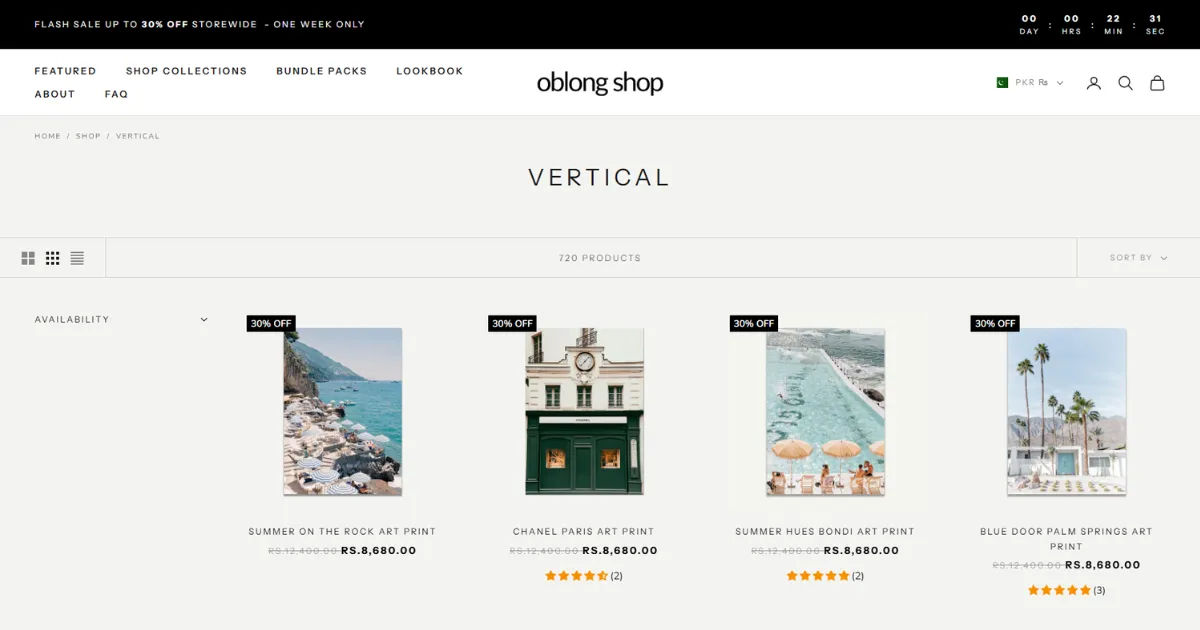
Finding the perfect vertical art for wall decoration is about more than selecting a beautiful picture. You should consider your room size, wall dimensions, furniture placement, color palette, lighting, and personal style. When these elements work together, your artwork becomes more than decoration—it becomes an essential part of your home's personality.
This guide explains everything you need to know about choosing vertical artwork that complements your space while creating a lasting visual impact.
Why Vertical Artwork Is So Popular
Vertical artwork has become one of the most popular choices in modern interior design because it works well in both small and large spaces. Tall artwork naturally emphasizes height and creates the illusion of larger rooms.
Many homeowners choose vertical art for wall displays because they fit areas where traditional landscape artwork simply does not work. Narrow walls between windows, beside doors, above accent furniture, and along hallways are ideal locations.
Vertical pieces also provide flexibility. Whether your decorating style is modern, rustic, farmhouse, Scandinavian, industrial, or traditional, there is vertical artwork that matches your aesthetic.
Understand Your Wall Space Before Buying
The first step in choosing artwork is measuring the available wall space.
A piece that is too small may appear insignificant, while oversized artwork can overwhelm a room.
Consider:
-
Wall height
-
Wall width
-
Ceiling height
-
Distance from nearby furniture
-
Existing decorative elements
For example, if your wall is tall and narrow, a single large vertical canvas may work perfectly. Wider walls may benefit from two or three coordinating vertical pieces.
Taking accurate measurements helps eliminate guesswork and ensures the artwork fits naturally.
Match the Artwork to Your Interior Style
Your artwork should complement your home's overall design instead of competing with it.
Modern Homes
Modern interiors often feature:
-
Abstract artwork
-
Minimalist designs
-
Neutral colors
-
Bold geometric patterns
Large vertical art for wall arrangements with clean lines work beautifully in contemporary spaces.
Farmhouse Interiors
Farmhouse décor pairs well with:
-
Botanical prints
-
Rustic landscapes
-
Vintage illustrations
-
Soft neutral colors
-
Wooden frames
Natural textures help create warmth.
Traditional Homes
Traditional interiors often include:
-
Classic portraits
-
Floral paintings
-
Historic architecture
-
Elegant decorative frames
Rich colors and timeless subjects maintain a sophisticated appearance.
Scandinavian Design
Scandinavian homes usually feature:
-
Minimal illustrations
-
Nature photography
-
Soft color palettes
-
Simple black frames
The artwork should feel clean, calming, and uncluttered.
Choose the Right Size
Artwork size plays a major role in achieving visual balance.
General sizing guidelines include:
Small Walls
Choose artwork approximately 18–24 inches wide.
Medium Walls
Artwork between 24–36 inches wide usually fits comfortably.
Large Walls
Large statement pieces or multiple coordinated panels work best.
When hanging artwork above furniture, it should generally occupy about two-thirds to three-fourths of the furniture's width.
Choosing the proper size makes vertical art for wall displays appear professionally designed.
Consider the Color Palette
Artwork colors influence the mood of your room.
Warm colors include:
-
Red
-
Orange
-
Yellow
These create energy and excitement.
Cool colors include:
-
Blue
-
Green
-
Purple
These encourage relaxation and comfort.
Neutral artwork complements almost every decorating style.
Rather than matching every color exactly, choose artwork that includes accent colors already found in your room through pillows, rugs, curtains, or furniture.
Select Artwork That Reflects Your Personality
The best artwork tells your story.
Think about subjects you genuinely enjoy.
Popular choices include:
-
Nature scenes
-
Mountains
-
Ocean landscapes
-
Floral artwork
-
Wildlife
-
Architecture
-
Inspirational typography
-
Abstract designs
-
City skylines
Your home should reflect your interests rather than simply following current design trends.
Think About the Room's Purpose
Different rooms benefit from different artwork themes.
Living Room
The living room often serves as the main gathering place.
Large vertical art for wall displays can become stunning conversation pieces.
Popular options include:
-
Abstract paintings
-
Landscapes
-
Modern designs
-
Large photography
Bedroom
Bedrooms benefit from calming artwork.
Good choices include:
-
Soft botanical prints
-
Gentle abstract art
-
Beaches
-
Mountains
-
Minimalist designs
Avoid artwork with overly busy or chaotic patterns.
Dining Room
Dining rooms pair well with:
-
Elegant still-life paintings
-
Wine-themed artwork
-
Floral arrangements
-
Sophisticated abstract pieces
Artwork helps establish the room's atmosphere.
Home Office
Office artwork should inspire creativity and focus.
Consider:
-
Motivational artwork
-
Architectural photography
-
Modern abstract paintings
-
Nature landscapes
Pay Attention to Lighting
Lighting dramatically changes how artwork appears.
Natural daylight enhances colors throughout the day.
Artificial lighting can add emphasis during evening hours.
Picture lights, wall sconces, or adjustable ceiling lights can highlight your artwork while reducing shadows.
Avoid placing artwork where direct sunlight causes fading over time.
Choose the Right Frame
Frames significantly affect the finished appearance.
Popular frame options include:
Black Frames
Perfect for:
-
Modern interiors
-
Contemporary artwork
-
Photography
Wood Frames
Ideal for:
-
Rustic homes
-
Farmhouse décor
-
Nature-inspired artwork
White Frames
Excellent for:
-
Scandinavian interiors
-
Coastal homes
-
Minimalist spaces
Gold Frames
Suitable for:
-
Traditional homes
-
Elegant interiors
-
Classic artwork
The frame should enhance rather than overpower the artwork.
Canvas or Framed Prints?
Both options have advantages.
Canvas
Canvas artwork offers:
-
Contemporary appearance
-
No reflective glass
-
Lightweight construction
-
Gallery-style presentation
Framed Prints
Framed prints provide:
-
Greater protection
-
Decorative flexibility
-
Traditional elegance
-
Easy replacement
Choose whichever best complements your decorating style.
Single Statement Piece or Gallery Arrangement?
A single oversized vertical artwork creates a bold focal point.
Gallery arrangements offer more variety.
You might combine:
-
Photography
-
Illustrations
-
Quotes
-
Botanical prints
-
Abstract paintings
Maintain consistent spacing between pieces to create a unified appearance.
Create Balance with Furniture
Artwork should visually connect with nearby furniture.
For example:
Above a sofa:
Leave approximately 6–10 inches between the furniture and artwork.
Above a console table:
Center the artwork while maintaining equal spacing on both sides.
Beside a fireplace:
Ensure both sides appear balanced.
Proper placement helps vertical art for wall installations feel intentional.
Consider Texture
Artwork isn't limited to printed images.
Textured wall décor includes:
-
Fabric art
-
Woven textiles
-
Wood carvings
-
Metal sculptures
-
Mixed-media canvases
Texture creates additional depth and visual interest.
Don't Ignore Scale
Large rooms generally require larger artwork.
Small artwork can become lost on expansive walls.
Likewise, oversized artwork may overwhelm compact spaces.
Maintaining appropriate scale creates harmony throughout the room.
Coordinate Multiple Pieces
If using multiple vertical artworks:
-
Keep similar spacing.
-
Align top or center edges.
-
Use matching frames.
-
Maintain a common color palette.
These simple techniques produce a polished gallery appearance.
Seasonal Updates
One advantage of artwork is flexibility.
You can rotate pieces throughout the year.
Spring:
-
Flowers
-
Fresh landscapes
Summer:
-
Beaches
-
Coastal themes
Autumn:
-
Forests
-
Warm earth tones
Winter:
-
Snow scenes
-
Minimal monochrome artwork
Seasonal updates keep interiors feeling fresh.
Avoid Common Mistakes
Many homeowners make simple decorating mistakes.
Avoid these issues:
-
Hanging artwork too high.
-
Choosing artwork that is too small.
-
Ignoring wall proportions.
-
Using conflicting colors.
-
Overcrowding the wall.
-
Mixing too many artistic styles.
-
Forgetting proper lighting.
Correct placement makes a significant difference.
Budget-Friendly Tips
Beautiful artwork doesn't always require a large budget.
Affordable ideas include:
-
Canvas reproductions
-
Printable digital artwork
-
Local artists
-
Student art exhibitions
-
Photography prints
-
DIY framed artwork
High-quality framing can make inexpensive artwork appear much more valuable.
Trends in Vertical Wall Art
Current decorating trends include:
Nature-Inspired Designs
Botanical illustrations, forests, mountains, and ocean scenes remain timeless.
Neutral Abstract Art
Soft beige, cream, gray, and earth tones fit many interior styles.
Black-and-White Photography
Minimal photography provides sophistication without overwhelming a room.
Oversized Canvas Art
Large statement pieces continue growing in popularity.
Organic Shapes
Fluid designs and natural forms soften modern interiors.
These trends provide inspiration while remaining versatile for years.
Caring for Your Artwork
Proper care preserves artwork for many years.
Helpful maintenance tips include:
-
Dust regularly with a soft cloth.
-
Avoid excessive moisture.
-
Keep away from direct sunlight.
-
Use secure hanging hardware.
-
Clean frames carefully.
-
Inspect mounting hardware occasionally.
Routine maintenance protects your investment.
Making the Final Decision
Before purchasing artwork, ask yourself several questions:
-
Does it fit my wall?
-
Does it match my room?
-
Do I genuinely enjoy looking at it?
-
Will I appreciate it years from now?
-
Does it complement my furniture?
-
Does it create the mood I want?
If the answer is yes, you've likely found the right piece.
Remember that decorating your home is a personal journey. The best artwork combines beautiful design with meaningful personal expression.
Conclusion
Selecting the perfect vertical art for wall decoration involves balancing size, style, color, placement, lighting, and personal taste. While trends can offer inspiration, the most successful interiors are built around artwork that genuinely reflects your personality and complements your home's architecture.
Take time to measure your space, understand your room's purpose, and coordinate your artwork with existing décor. Whether you choose a bold abstract canvas, a peaceful landscape, elegant botanical prints, or a carefully arranged gallery wall, vertical artwork has the power to enhance height, improve balance, and create a memorable focal point in any room.
By following these practical guidelines, you can confidently invest in artwork that not only beautifies your walls but also creates an inviting atmosphere you'll enjoy every day. Thoughtfully selected vertical art for wall displays bring character, warmth, and lasting style, making your living spaces feel complete and uniquely your own.
About the Author