Online OCR has changed the way people handle printed and handwritten documents in the digital age. Instead of manually typing text from books, notes, or scanned papers, users can now convert images into editable text within seconds. This technology saves time, reduces effort, and increases productivity for students, teachers, professionals, and businesses.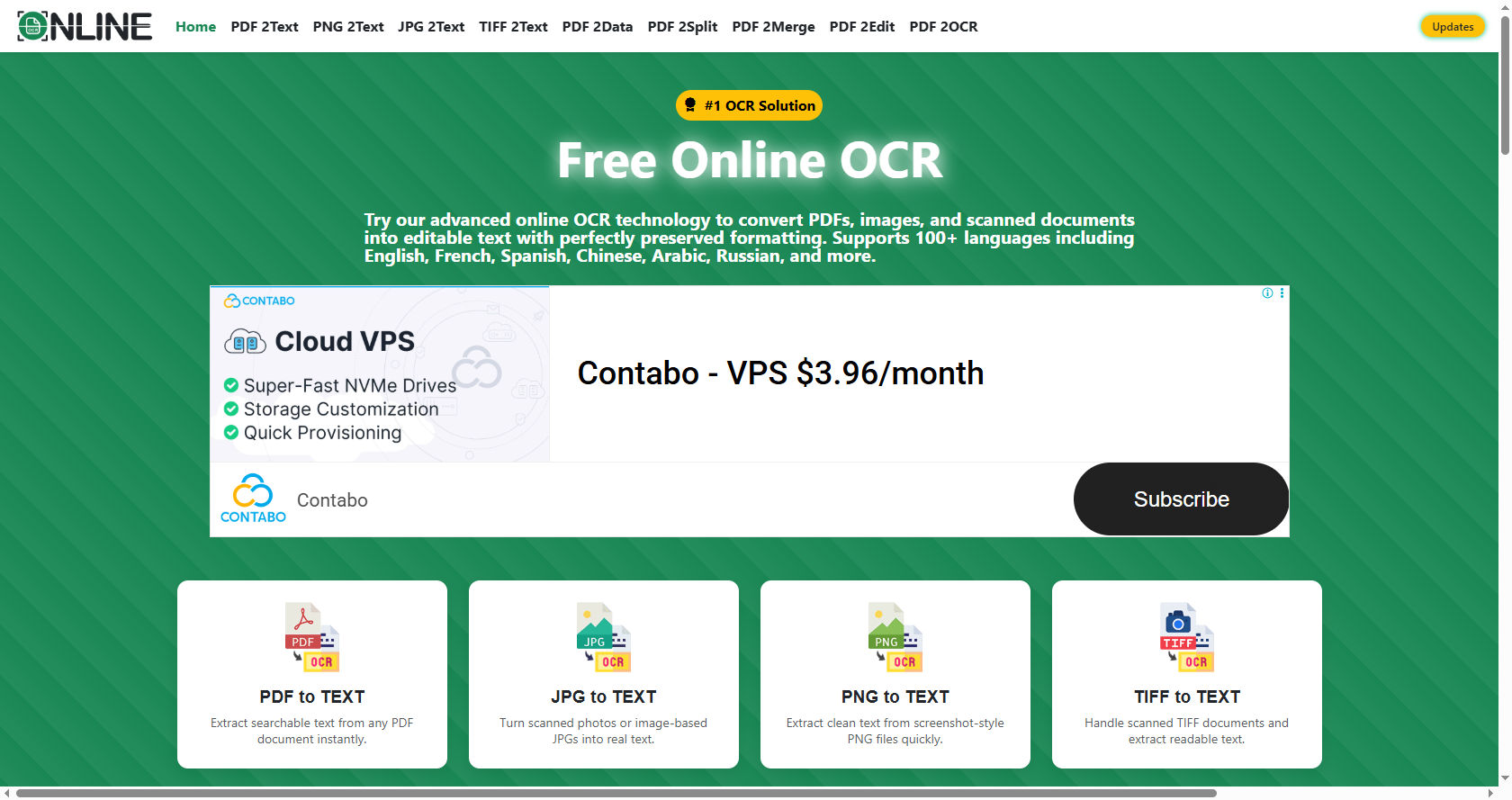
With Online OCR, students can quickly turn textbook pages into editable study notes. Office workers can digitize contracts and reports without retyping every word.
Even small business owners can organize receipts and invoices more efficiently. The process is simple, fast, and accessible to anyone with an internet connection.
This guide explains how Online OCR works, why it is useful, and how it can improve daily tasks. By the end, you will clearly understand how this powerful tool supports education, business, and personal productivity.
Understanding the Basics of Online OCR
Online OCR stands for Optical Character Recognition that works through a web-based platform. It is a technology that reads text from images, scanned documents, or photographs and converts it into machine-readable and editable text.
Unlike traditional software, Online OCR runs directly in your browser. There is no need to install heavy programs on your computer. You simply upload a file, wait a few seconds, and download the converted text.
Most Online OCR platforms support multiple file formats such as JPG, PNG, and PDF. They also allow users to export the converted text into formats like Word, Excel, or plain text files. This flexibility makes it useful for different purposes.
How Online OCR Works Step by Step
To understand the value of Online OCR, it helps to know how the process works behind the scenes. Even though it seems instant, the technology follows several steps.
First, you upload a scanned image or document to an Online OCR platform. The system prepares the image by adjusting brightness, contrast, and alignment. This step ensures that the text is clear enough to be recognized.
Next, the Online OCR engine analyzes the shapes of letters and numbers in the image. It compares them to stored patterns in its database. Advanced systems use artificial intelligence and machine learning to improve recognition accuracy.
After recognizing the characters, the Online OCR system converts them into digital text. This text can then be edited, copied, or formatted as needed.
Finally, Online OCR allows you to download or copy the output. Some platforms even let you edit the text directly before saving it.
Key Benefits of Using Online OCR
The popularity of Online OCR continues to grow because it offers many practical benefits. It makes everyday tasks easier and faster.
Saves Time and Effort
One of the biggest advantages of Online OCR is speed. Tasks that once required hours of typing can now be completed in minutes.
Instead of typing printed notes word by word, Online OCR completes the job almost instantly. This allows students and professionals to focus on more important activities.
Improves Accuracy
Modern Online OCR tools use advanced algorithms to recognize text with high precision. Clear images often produce nearly perfect results.
While no Online OCR system is 100% accurate, most tools achieve very high accuracy when the image quality is good. This reduces the need for manual corrections.
Accessible Anywhere
Because Online OCR works through a web browser, it can be used on laptops, tablets, or smartphones. You do not need special hardware.
This flexibility makes Online OCR ideal for remote learning, online work, and travel situations where quick document conversion is needed.
Cost-Effective Solution
Many Online OCR services offer free versions for basic tasks. Even paid versions are usually affordable.
For small businesses and students, Online OCR reduces the cost of hiring typists or purchasing expensive software.
Practical Uses of Online OCR in Daily Life
The impact of Online OCR can be seen in many real-life situations. It is not limited to offices or computer experts.
For Students
Students often use Online OCR to convert textbook pages into editable documents. This helps them create digital notes quickly.
By using Online OCR, they can quickly copy important paragraphs and organize them into summaries. It also helps when preparing assignments or research projects.
For Teachers
Teachers benefit from Online OCR when converting printed worksheets into editable formats. They can update questions or reuse materials easily.
This makes lesson planning more efficient and reduces the need to recreate documents from scratch.
For Businesses
Businesses rely on Online OCR to digitize invoices, contracts, and receipts. Keeping digital records improves organization and reduces physical storage needs.
With Online OCR, companies can store information in searchable databases. This makes it easier to find specific details when needed.
For Personal Use
Individuals also find Online OCR helpful for everyday tasks. For example, someone can scan an old letter and save it as digital text.
It is also useful for converting printed recipes, forms, or handwritten notes into editable files.
Features to Look for in a Good Online OCR Tool
Not all Online OCR tools offer the same quality. Choosing the right platform is important for the best results.
Multi-Language Support
A strong Online OCR platform should recognize multiple languages. This is helpful for users who work with foreign texts or multilingual documents.
File Format Options
Reliable Online OCR services allow uploads in different formats such as PDF, JPG, or PNG. They should also provide flexible output options like DOCX or TXT.
Data Security
Security is important when using Online OCR for sensitive documents. Look for platforms that protect uploaded files and delete them after processing.
Batch Processing
Some advanced Online OCR tools support batch processing. This means you can upload multiple files at once, saving even more time.
Advantages Over Traditional OCR Software
In the past, people installed heavy software, but Online OCR has simplified the entire process. There is no need for installation or updates.
Unlike offline programs, Online OCR does not require powerful computers. It works through cloud-based systems that handle the processing online.
Updates are automatic with Online OCR, so users always have access to the latest features without manual upgrades.
Common Challenges and How to Overcome Them
Although Online OCR is powerful, it is not perfect. Certain factors can affect performance.
To get the best results from Online OCR, ensure the image is clear and well-lit. Blurry or dark images reduce accuracy.
Another challenge with Online OCR is formatting issues. Sometimes the converted text may lose its original layout. Reviewing and adjusting formatting after conversion can solve this problem.
Tips for Getting the Best Results
To maximize accuracy and efficiency, follow a few simple tips.
Use high-resolution images whenever possible. Clear scans improve text recognition.
Align the document properly before scanning. Crooked images may confuse the system.
Avoid shadows and glare on the page. Good lighting makes a big difference.
Check the output carefully after conversion. Even advanced tools may occasionally misread characters.
Organize your files after downloading them. Rename documents clearly so they are easy to find later.
By following these steps, you can make document conversion smoother and more reliable.
The Future of OCR Technology
OCR technology continues to evolve rapidly. Artificial intelligence is making recognition systems smarter and more accurate.
In the future, tools may recognize handwriting with near-perfect accuracy. They may also understand document structure better, keeping formatting exactly the same.
Integration with cloud storage platforms is also improving. This means documents can be scanned and stored automatically without manual steps.
Mobile applications are becoming more powerful as well. People can take a photo of a document and convert it instantly while on the move.
As digital transformation continues, text recognition technology will play a bigger role in education, healthcare, banking, and government services.
Conclusion
OCR scanner tools available on the internet have transformed the way we handle printed information. They remove the need for manual typing and make document management faster and easier. From students creating notes to businesses organizing records, the benefits are clear and practical.
The technology works by analyzing images, recognizing character patterns, and converting them into editable digital text. It is simple to use, requires no installation, and works on multiple devices. This accessibility makes it suitable for people of all ages and technical backgrounds.
The advantages include saving time, improving productivity, reducing costs, and increasing efficiency. Whether you are working on a school project, managing office files, or preserving personal documents, text recognition tools can make the process smoother.
Although challenges like image quality and formatting may occur, they can be minimized by using clear scans and reviewing the output carefully. As artificial intelligence continues to improve, recognition systems will become even more accurate and reliable.
In today’s fast-paced digital world, tools that simplify tasks are highly valuable. Text recognition technology is one of those tools. It bridges the gap between printed and digital information, helping users stay organized and productive.
By understanding how this technology works and how to use it effectively, anyone can take advantage of its features. The future looks promising, with smarter systems and faster processing on the horizon.
In summary, OCR scanner tools available online are not just convenient—they are essential in modern education, business, and personal productivity. They save time, reduce effort, and support a more organized digital lifestyle. Embracing this technology can make everyday tasks easier and more efficient for everyone.
About the Author