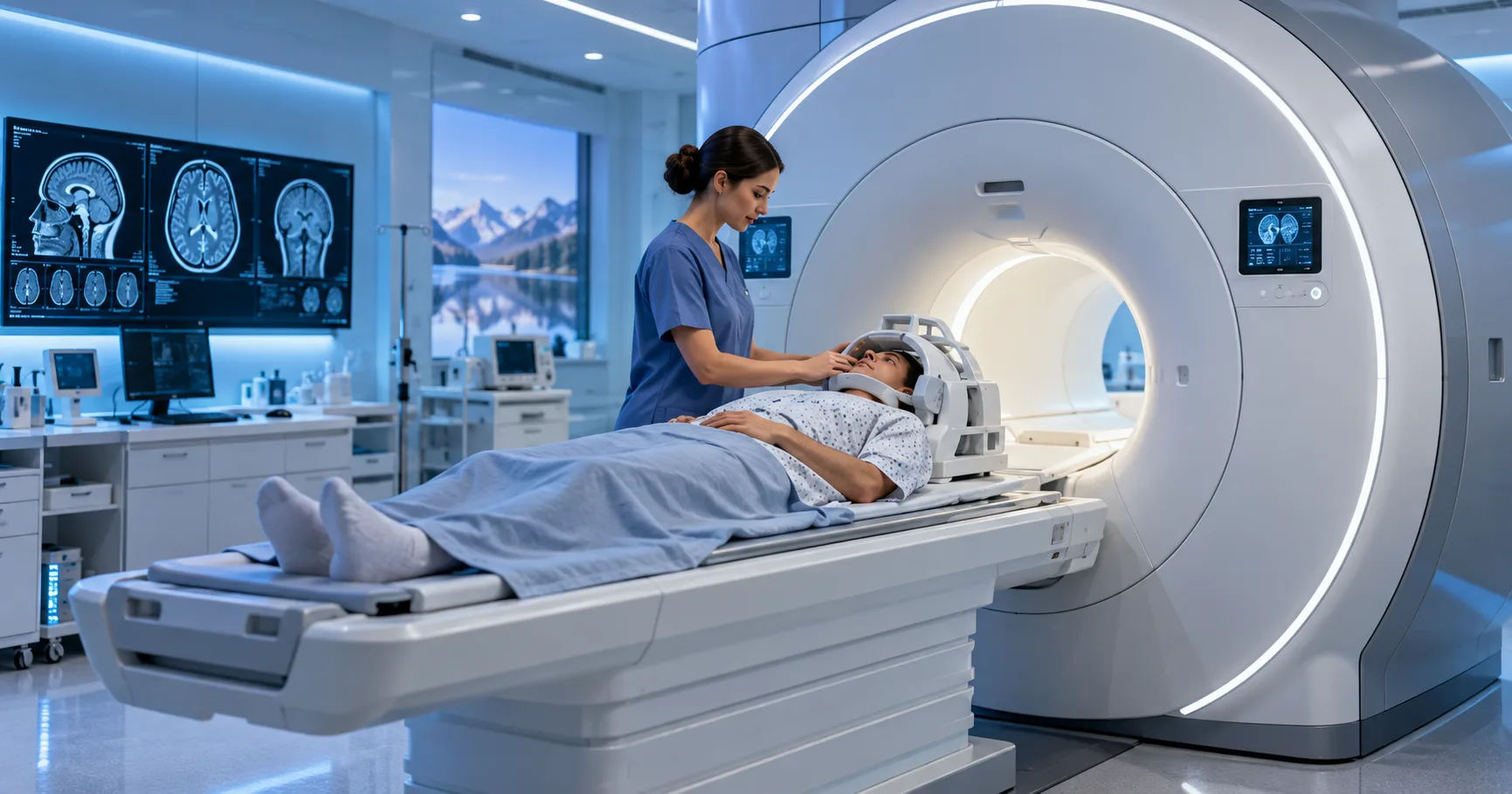
A urine test is a common medical examination used to check your overall health. Doctors use it to detect infections, kidney problems, diabetes, dehydration, and many other conditions. It can also help monitor ongoing medical treatments.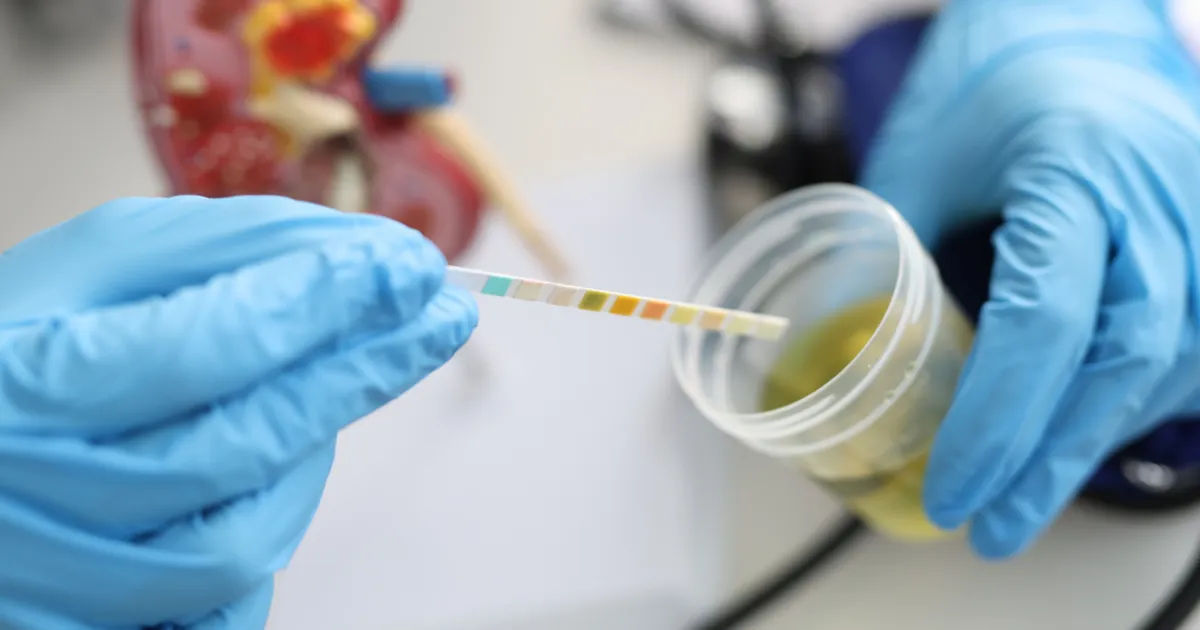
The test works by analyzing a small sample of your urine in a laboratory, including can you freeze urine for a drug test. Even small changes in color, smell, or chemical composition can provide important health information. Urine tests are quick, simple, and usually painless. You may be asked to provide a sample at a clinic, hospital, or diagnostic lab.
Why Urine Tests Are Done
Urine tests can help detect a wide range of health conditions. Some of the most common reasons include:
- Checking for urinary tract infections (UTIs)
- Monitoring kidney function
- Detecting diabetes or blood sugar issues
- Identifying liver problems
- Checking for signs of dehydration
- Monitoring certain medications
Doctors rely on urine tests because they provide a snapshot of how your body is functioning internally.
General Preparation Before a Urine Test
In most cases, preparing for a urine test is simple. However, following the correct steps ensures accurate results.
Stay Hydrated—but Don’t Overdo It
Drink a normal amount of water before your test. Being slightly hydrated helps produce a proper sample. However, drinking excessive water right before the test can dilute your urine and affect the results.
A balanced approach is best.
Follow Doctor’s Instructions
Some urine tests require special preparation. Your doctor may ask you to:
- Avoid certain foods
- Stop specific medications temporarily
- Collect urine at a specific time of day
Always follow these instructions carefully for accurate results.
Types of Urine Samples
Understanding the type of sample requested helps you prepare correctly.
Random Urine Sample
This is the most common type. You can provide a sample at any time of day. No special preparation is usually needed.
First Morning Sample
This sample is collected right after waking up. It is more concentrated and may give more accurate results for certain tests.
24-Hour Urine Collection
This test requires collecting all urine over a 24-hour period. It is used for more detailed analysis of kidney function and hormone levels.
What to Eat or Avoid Before a Urine Test
In most cases, you can eat normally. However, some foods and drinks may affect test results.
Foods That May Affect Results
Certain foods can change urine color or chemical readings:
- Beets (may turn urine reddish)
- Carrots (can affect vitamin levels)
- Asparagus (may change smell)
- Artificial food coloring
Drinks to Be Careful With
- Coffee (can act as a diuretic)
- Alcohol (can dehydrate the body)
- Energy drinks (may affect hydration and metabolism)
If your doctor has given special instructions, always follow them.
Medications and Supplements
Medications and supplements can sometimes affect urine test results. These may include:
- Vitamins (especially vitamin C or B-complex)
- Antibiotics
- Diuretics (water pills)
- Diabetes medication
Never stop taking prescribed medication without asking your doctor. Instead, inform the healthcare provider about everything you are taking.
Hygiene Before the Test
Proper hygiene helps ensure a clean and uncontaminated sample.
Clean-Catch Method
Most urine tests require a “clean-catch” sample. This means:
- Clean the genital area with provided wipes
- Start urinating into the toilet
- Collect the midstream urine in the container
- Finish in the toilet
This reduces contamination from bacteria or skin cells.
What to Expect During the Test
A urine test is simple and usually takes only a few minutes.
- You will receive a sterile container
- You will be directed to a private bathroom
- You provide the sample as instructed
- You return the container to staff
There is no pain involved, and you can resume normal activities immediately afterward.
Common Mistakes to Avoid
Many people unintentionally affect their test results. Avoid these mistakes:
Not Following Instructions
Skipping preparation steps can lead to inaccurate results and may require repeating the test.
Touching the Inside of the Container
This can contaminate the sample and affect accuracy.
Using the First Few Drops
The first part of urine may contain bacteria from the urethra. That’s why midstream collection is important.
Not Informing About Medications
Failing to mention medications or supplements can lead to misinterpretation of results.
Special Considerations for Certain Tests
Some urine tests require extra preparation.
Pregnancy Test
Usually requires first morning urine for the most accurate results.
Drug Screening (Medical Context)
If the test is for medical or employment screening, follow instructions exactly. Laboratories use strict procedures to ensure accuracy and reliability.
Infection Testing
If testing for infection, cleanliness and proper sample collection are especially important.
Tips for Accurate Results
Here are simple tips to help ensure your urine test is accurate:
- Drink a normal amount of water
- Follow all instructions carefully
- Use proper hygiene before collecting the sample
- Inform your doctor about all medications
- Avoid excessive exercise before the test if instructed
These steps help ensure the most reliable results.
Emotional Comfort and Confidence
Some people feel nervous before a urine test, but there is nothing to worry about. It is a routine medical procedure done every day in hospitals and labs around the world.
Understanding the process can help reduce anxiety. Remember, healthcare staff are trained professionals who handle samples respectfully and confidentially.
When You Will Get Results
Results usually depend on the type of test:
- Basic urine tests: within a few hours to 1 day
- Culture tests (for infection): 2–3 days
- Specialized tests: up to a week
Your doctor will explain the results and next steps if needed.
Conclusion
Preparing for a urine test is simple when you understand the process. Most of the time, it only requires basic hygiene, following instructions, and providing a properly collected sample. Avoiding mistakes like contamination, overhydration, or missing medical details ensures accurate results.
Urine tests are an important part of modern healthcare because they provide valuable insights into your body’s health. By preparing properly, you help your healthcare provider make the best possible diagnosis and treatment decisions.
With the right approach, the process is quick, safe, and stress-free.
About the Author