A bathroom floor needs to handle daily foot traffic, moisture, spills, cleaning products, and constant temperature changes. Choosing the right material is important because bathroom flooring must remain attractive while providing long-term performance. Porcelain is one of the most popular choices for homeowners because it combines strength, water resistance, and a wide range of design options. 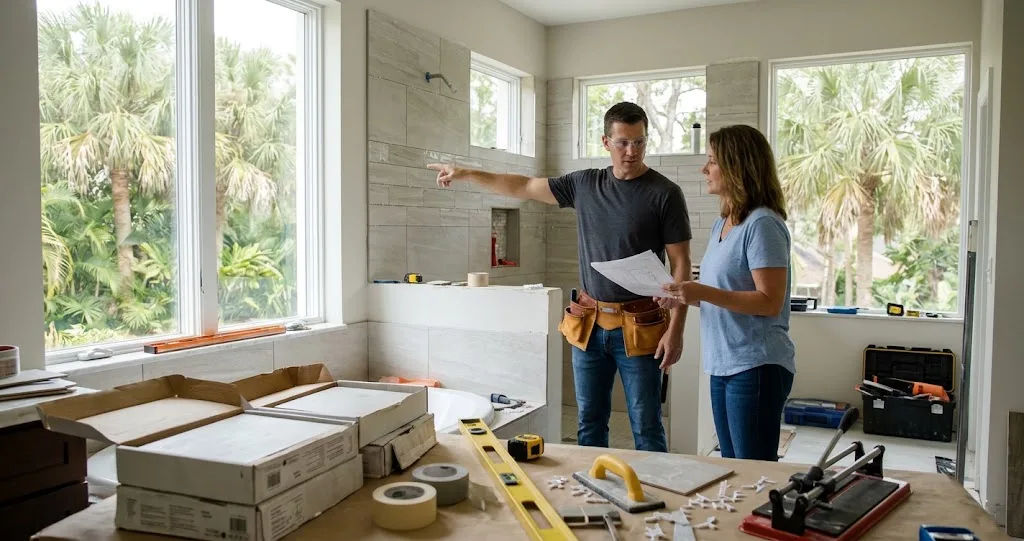 When considering bathroom tile Jacksonville FL, many homeowners want to know whether porcelain can withstand years of everyday use without cracking, staining, or losing its appearance.
The good news is that porcelain bathroom tile is highly durable when properly selected and installed. Its dense structure makes it less porous than many other flooring materials, helping it resist water absorption and everyday wear. This makes it particularly suitable for bathrooms, where moisture is a constant concern.
However, durability depends on more than the tile itself. Factors such as tile quality, installation methods, surface finish, grout selection, and regular maintenance all influence how long a porcelain bathroom floor will last.
Understanding these factors can help homeowners make a confident decision. This guide explores porcelain tile durability, its advantages, potential disadvantages, maintenance requirements, and important considerations when selecting bathroom flooring.
What Makes Porcelain Bathroom Tile Durable?
Porcelain tile is manufactured using refined clay, minerals, and other natural materials. These ingredients are shaped and fired at extremely high temperatures, creating a dense and hard surface.
The manufacturing process gives porcelain several properties that make it suitable for bathrooms.
High Density and Strength
One of the biggest reasons porcelain tile lasts so long is its density. The manufacturing process creates a compact material with fewer pores than many traditional ceramic tiles.
This structure helps porcelain resist everyday wear and surface damage. It can handle regular walking, bathroom furniture, and normal household activities without quickly showing signs of deterioration.
Although porcelain is strong, it is not completely indestructible. Heavy objects dropped onto the surface can still cause chips or cracks.
Low Water Absorption
Bathrooms experience frequent exposure to water from showers, sinks, bathtubs, and cleaning activities.
Porcelain tile is classified by its low water absorption rate. According to common industry standards, porcelain tile absorbs no more than 0.5% of its weight in water.
This characteristic makes it an excellent option for moisture-prone spaces.
Low water absorption also helps reduce the risk of water-related damage within the tile itself. However, proper waterproofing beneath the tile remains essential, especially in showers.
Resistance to Scratches
Porcelain has a hard surface that generally withstands everyday scratches better than many softer flooring materials.
Bathroom activities such as moving small storage containers, stepping on the floor, and placing bathroom accessories are unlikely to cause significant damage when the tile is properly maintained.
Still, abrasive materials and heavy objects can scratch or chip certain finishes.
Is Porcelain Tile Suitable for Jacksonville Bathrooms?
Jacksonville homeowners often consider moisture resistance when choosing bathroom flooring. The local climate includes warm temperatures, humidity, and periods of heavy rainfall.
These conditions make flooring materials with good moisture resistance especially appealing.
Handles Humid Conditions
Humidity can create problems for flooring materials that absorb moisture or expand significantly when exposed to changing conditions.
Porcelain tile performs well because its dense structure limits water absorption.
It does not easily swell or warp from ordinary bathroom humidity. This makes it a practical choice for bathrooms used frequently by family members.
However, the overall bathroom still needs adequate ventilation. An exhaust fan helps control humidity and reduces condensation on walls, ceilings, and other surfaces.
Suitable for Frequent Water Exposure
Bathrooms are among the wettest areas in a home. Water regularly reaches the floor around showers, bathtubs, and sinks.
Porcelain tile can handle these conditions without absorbing significant amounts of moisture.
For homeowners researching bathroom tile Jacksonville FL, this water resistance is one of the most important reasons to consider porcelain.
Nevertheless, water can pass through grout joints or poorly sealed installation areas. A properly installed waterproofing system is necessary to protect the underlying structure.
Performs Well With Temperature Changes
Porcelain generally handles normal indoor temperature fluctuations without significant problems.
Unlike some flooring materials, it does not easily warp or swell when household temperatures change.
However, extreme temperature changes or improper installation can contribute to cracking. Using suitable installation materials and allowing the correct movement joints helps prevent these problems.
How Long Does Porcelain Bathroom Tile Last?
Porcelain bathroom tile can last several decades when installed correctly and maintained regularly.
Many homeowners enjoy 20 to 50 years or more of service from quality porcelain flooring, although actual lifespan depends on the product, installation quality, traffic levels, and maintenance habits.
Factors That Affect Its Lifespan
Several factors influence how long porcelain tile remains attractive and functional.
Tile quality: Higher-quality porcelain products generally offer consistent manufacturing and dependable performance.
Installation quality: Incorrect installation can create weak spots, loose tiles, and cracks.
Bathroom usage: A frequently used family bathroom may experience more wear than a guest bathroom.
Maintenance: Regular cleaning prevents dirt and residue from affecting the tile's appearance.
Environmental conditions: Excessive moisture beneath the flooring can damage grout, adhesives, and surrounding materials even when the porcelain itself remains unaffected.
Choosing quality materials and experienced installers can significantly improve the lifespan of a bathroom floor.
Major Benefits of Porcelain Bathroom Tile
Porcelain offers several advantages beyond its durability. These benefits make it a popular flooring and wall-covering material.
Excellent Water Resistance
Water resistance is one of porcelain's strongest features.
Because it absorbs very little moisture, porcelain is suitable for bathroom floors, shower walls, and other areas exposed to water.
It also helps prevent the tile itself from developing moisture-related deterioration.
However, water resistance should never be confused with complete waterproofing. The shower enclosure and floor assembly still require appropriate waterproof membranes and installation details.
Easy Everyday Cleaning
Porcelain tile is relatively simple to maintain.
Most everyday dirt, soap residue, and bathroom spills can be removed with a soft mop or cloth and a suitable pH-neutral cleaner.
Unlike some natural stones, glazed porcelain generally does not require routine sealing.
This makes it convenient for homeowners who prefer flooring that does not demand complicated maintenance.
Resistant to Stains
Porcelain's low porosity helps prevent many common bathroom substances from penetrating its surface.
Products such as shampoo, soap, toothpaste, and ordinary household spills can usually be cleaned without leaving permanent marks.
Glazed porcelain offers an additional protective surface layer.
However, textured finishes and grout joints may collect dirt more easily, so regular cleaning remains important.
Available in Different Designs
Durability does not mean homeowners must sacrifice appearance.
Porcelain tile comes in numerous colors, patterns, sizes, and finishes.
Popular options include:
-
Marble-look porcelain for an elegant appearance.
-
Wood-look porcelain for a warm, natural style.
-
Concrete-look porcelain for modern bathrooms.
-
Stone-look porcelain for a traditional appearance.
-
Patterned porcelain for decorative flooring.
These options allow homeowners to create attractive bathrooms without relying on materials that require extensive maintenance.
Suitable for Floors and Walls
Porcelain can be used throughout different bathroom areas.
Floor tiles can provide a durable walking surface, while wall tiles create attractive and moisture-resistant shower surroundings.
Some large-format porcelain products can also create a seamless appearance with fewer grout joints.
However, homeowners should always confirm that a specific product is approved for its intended application.
Are There Any Disadvantages of Porcelain Bathroom Tile?
Although porcelain has many benefits, it is important to understand its limitations before making a purchase.
Hard Surface Underfoot
Porcelain is a hard material. While this contributes to its durability, it may feel uncomfortable when standing for extended periods.
It also provides little cushioning if someone accidentally falls.
Bathroom rugs can provide additional comfort, but they should have suitable non-slip backing.
Can Become Slippery When Wet
Not every porcelain tile provides the same level of traction.
Smooth, polished porcelain can become slippery when wet, making it less suitable for bathroom floors and shower areas.
Homeowners should select flooring with an appropriate slip-resistant surface.
A textured or matte finish may offer better traction than a highly polished finish.
For showers, consider the tile's tested wet slip performance and the size of the individual tiles. Smaller tiles often create more grout joints, which can provide additional traction.
Difficult to Cut and Install
Porcelain is harder and denser than many ceramic products.
This makes cutting and drilling more challenging. Installers generally need specialized tools, appropriate blades, and experience working with porcelain.
Poor cutting techniques can damage tile edges or create uneven finishes.
Professional installation is often a worthwhile investment, particularly for large-format tiles and complicated bathroom layouts.
Higher Initial Cost
Porcelain may cost more than some basic ceramic flooring options.
The total project price also includes installation materials, labor, preparation, grout, waterproofing, and finishing details.
However, its long lifespan and relatively low maintenance requirements can make it a cost-effective investment over time.
Choosing the Right Porcelain Tile for Your Bathroom
Not all porcelain tiles are identical. Selecting the correct product is essential for achieving the desired appearance and performance.
Consider the PEI Rating
The Porcelain Enamel Institute (PEI) rating is commonly used to describe the abrasion resistance of glazed ceramic and porcelain tile surfaces.
For residential bathrooms, homeowners should select a product suitable for the expected level of foot traffic.
The rating can help when comparing products, but it should not be the only selection factor.
Also consider the manufacturer's recommendations for the specific application.
Select an Appropriate Surface Finish
The finish affects both appearance and safety.
Common options include:
Matte finish: Offers a subtle appearance and is often a practical choice for bathroom floors.
Textured finish: Provides additional surface variation that may improve traction.
Polished finish: Creates a reflective, luxurious appearance but may be slippery when wet.
Glazed finish: Adds a protective decorative surface that can simplify cleaning.
For bathroom floors, prioritize wet-area suitability and slip resistance over appearance alone.
Choose the Correct Tile Size
Tile size influences the overall appearance and functionality of a bathroom.
Large-format porcelain tiles can make smaller bathrooms appear more open because they create fewer grout lines.
Smaller tiles are often useful for shower floors because they can follow the slope toward the drain more easily.
The best size depends on the bathroom layout, drainage requirements, and installation conditions.
Check the Manufacturer's Specifications
Before purchasing, review the product information carefully.
Important details include:
-
Water absorption classification.
-
Slip-resistance information.
-
Recommended installation locations.
-
Surface finish.
-
Thickness and dimensions.
-
Cleaning and maintenance instructions.
-
Warranty coverage.
For anyone comparing bathroom tile Jacksonville FL, these specifications provide a more reliable way to judge performance than appearance or price alone.
Why Professional Installation Matters
Even the strongest porcelain tile can fail when installed incorrectly.
Professional installation helps ensure that the flooring performs as expected.
Proper Subfloor Preparation
The surface beneath the tile must be clean, stable, and sufficiently level.
Uneven surfaces can create unsupported areas beneath tiles. These weak spots increase the possibility of cracking when weight is applied.
Installers should inspect the subfloor and complete any necessary repairs before beginning the project.
Correct Adhesive Selection
Porcelain requires an appropriate tile-setting mortar.
The adhesive must provide suitable bonding strength and be compatible with the tile and installation surface.
Using the wrong product can lead to loose tiles or poor adhesion.
Large-format porcelain may require specific installation materials and techniques.
Proper Grout Selection
Grout fills the joints between individual tiles.
Although porcelain itself is highly water-resistant, grout joints need appropriate protection and maintenance.
Common grout options include:
-
Cement-based grout.
-
High-performance cementitious grout.
-
Epoxy grout.
Epoxy grout offers strong stain and moisture resistance, although it may cost more and requires careful installation.
The correct selection depends on the location, joint width, and manufacturer's recommendations.
Waterproofing Shower Areas
Waterproofing is especially important around showers and bathtubs.
A properly designed waterproofing system protects the structure beneath the tile.
The system should include appropriate waterproof membranes, sealed transitions, and properly constructed shower pans.
Grout alone is not a waterproofing system.
A professional installer should follow the selected waterproofing manufacturer's instructions and applicable building requirements.
How to Maintain Porcelain Bathroom Tile
Porcelain does not require complicated maintenance, but regular care helps preserve its appearance.
Clean the Floor Regularly
Sweep or vacuum the bathroom floor to remove dust, hair, and small particles.
These materials can collect in grout joints and make the surface look dirty.
Follow with a damp mop and a mild, pH-neutral cleaning solution.
Avoid using harsh chemicals unless the tile manufacturer specifically recommends them.
Address Spills Quickly
Although porcelain resists many stains, cleaning spills promptly prevents residue from building up.
This is particularly important for soap, cosmetics, hair products, and colored cleaning products.
A soft cloth usually removes most fresh spills without damaging the surface.
Maintain the Grout
Grout often requires more attention than porcelain itself.
Clean grout joints regularly using an appropriate grout cleaner and a soft brush.
If you have cement-based grout, check whether the manufacturer recommends applying a suitable grout sealer.
Epoxy grout generally does not require sealing.
Avoid Abrasive Cleaning Tools
Steel wool, harsh scouring pads, and aggressive cleaning products can damage certain tile finishes or surrounding materials.
Use non-abrasive cleaning tools whenever possible.
For stubborn dirt, choose a cleaner designed for the specific porcelain finish.
Inspect for Cracks and Loose Tiles
Occasionally inspect the bathroom floor for damaged grout, cracked tiles, or areas that sound hollow when tapped.
Addressing minor problems early can help prevent more extensive repairs.
If you notice persistent dampness, loose tiles, or water damage, have the underlying installation inspected.
Porcelain vs. Ceramic Tile: Which Is More Durable?
Porcelain and ceramic tiles are both popular bathroom materials, but they have different characteristics.
|
Feature |
Porcelain Tile |
Ceramic Tile |
|---|---|---|
|
Density |
Generally higher |
Generally lower |
|
Water absorption |
0.5% or less |
Usually higher |
|
Durability |
Excellent |
Good |
|
Scratch resistance |
Generally very good |
Varies by product |
|
Installation |
More demanding |
Often easier |
|
Maintenance |
Relatively simple |
Relatively simple |
|
Cost |
Often higher |
Often lower |
When Porcelain Is the Better Choice
Porcelain is generally a strong option for homeowners who prioritize durability, low water absorption, and long-term performance.
It is particularly useful in frequently used bathrooms and moisture-prone areas.
When Ceramic May Be Suitable
Ceramic can be an excellent option for homeowners working with a limited budget.
It is available in many colors and designs and can perform well in residential bathrooms when the product is appropriate for the intended application.
However, homeowners should carefully compare the specifications of individual products rather than assuming every porcelain tile is automatically better than every ceramic tile.
How Much Does Porcelain Bathroom Tile Cost?
The cost of porcelain bathroom tile depends on several factors.
Tile quality, size, design, finish, and installation complexity all influence the overall project budget.
Material Costs
Basic porcelain tiles are generally more affordable than premium decorative products.
Marble-look designs, specialty finishes, and large-format tiles may have higher prices.
Homeowners should compare the cost per square foot and check whether additional materials are included.
Installation Costs
Installation expenses depend on the condition of the existing floor and the complexity of the project.
A straightforward flooring replacement may cost less than a bathroom renovation requiring extensive subfloor repairs or waterproofing.
Additional expenses may include:
-
Removing old flooring.
-
Preparing the subfloor.
-
Purchasing tile adhesive.
-
Installing grout.
-
Waterproofing wet areas.
-
Cutting and fitting tiles.
-
Installing transitions and trim.
Requesting a detailed written estimate can help homeowners understand where their money will go.
Long-Term Value
Although porcelain may require a higher initial investment, its durability can provide long-term value.
A well-installed porcelain floor may last for decades without needing frequent replacement.
Its easy cleaning requirements can also reduce ongoing maintenance expenses.
For homeowners planning to stay in their properties for many years, porcelain can be a worthwhile flooring investment.
Common Mistakes to Avoid When Buying Porcelain Tile
Choosing the wrong product can reduce the benefits of porcelain, even when the material itself is durable.
Prioritizing Appearance Over Safety
A beautiful polished tile may look impressive in a showroom but become slippery in a wet bathroom.
Always consider slip resistance before selecting flooring.
Ignoring Installation Requirements
Some porcelain tiles require specific adhesives, leveling systems, or installation techniques.
Ignoring these requirements can lead to uneven flooring and premature damage.
Choosing Inappropriate Grout
Grout color and quality affect the finished appearance and maintenance requirements.
Select grout that is suitable for the tile size, joint width, and bathroom environment.
Skipping Waterproofing
Porcelain's low water absorption does not eliminate the need for waterproofing.
Water can enter through grout joints, corners, plumbing penetrations, and poorly sealed transitions.
A proper waterproofing system protects the underlying bathroom structure.
Buying Without Checking Specifications
Do not purchase porcelain based only on photographs or showroom displays.
Check the technical information and confirm that the product is suitable for bathroom floors or shower installations.
Conclusion
Porcelain bathroom tile is an excellent choice for homeowners who want attractive, durable, and moisture-resistant flooring. Its dense construction, low water absorption, scratch resistance, and easy maintenance make it suitable for many residential bathrooms.
For homeowners considering bathroom tile Jacksonville FL, porcelain offers several advantages, particularly in a humid climate where bathrooms experience frequent moisture and temperature changes.
However, selecting quality porcelain is only part of the process. The surface finish must provide suitable traction, the subfloor must be properly prepared, and the installation must include appropriate adhesives, grout, and waterproofing.
Regular cleaning and occasional inspections will also help maintain the flooring's appearance and performance. Although porcelain can resist considerable everyday wear, it can still crack from heavy impacts or installation problems. Understanding these limitations makes it easier to protect your investment.
Ultimately, porcelain is a practical long-term flooring solution for bathrooms when the right product is combined with professional installation and proper maintenance. Whether you are updating a small guest bathroom or renovating a large primary bathroom, porcelain provides an appealing balance of strength, functionality, and design flexibility.
By comparing different products, checking manufacturer specifications, and choosing experienced installation professionals, you can create a bathroom floor that remains beautiful and dependable for many years.
About the Author