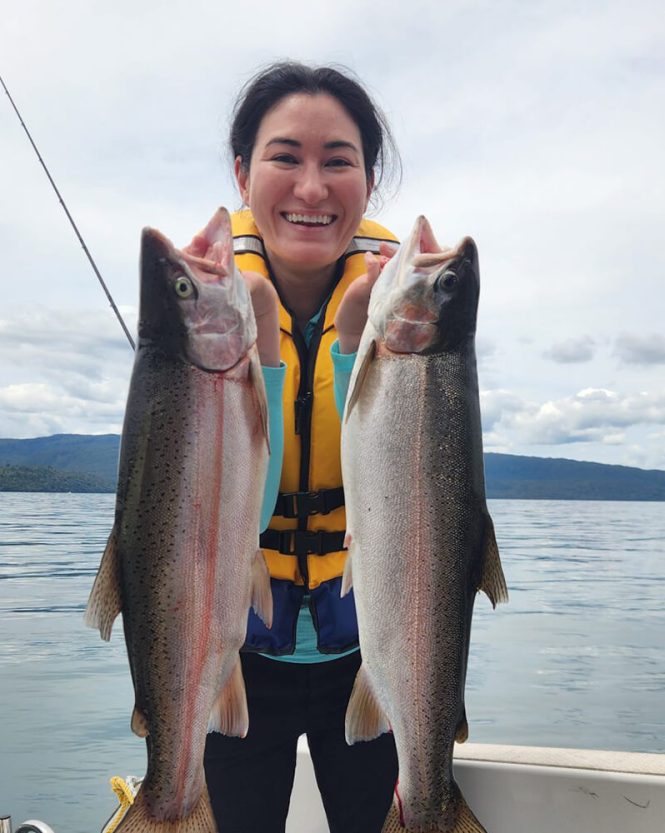
Few fresh water angling experiences touch the place, electric feel of a rainbow trout shattering a upright jig 30 meters below the boat. Across the Rotorua lakes, and particularly on Lake Tarawera, jigging has evolved into a proficiency for both experienced anglers and first-time visitors. Because there are no heavily downrigger weights or planers between your men and the fish, every headshaking and athletic leap is felt directly through the blank of the rod. Learning the basic principle of jigging unlocks trustworthy sue even when trout resist traditional trolling presentations Rotorua Fishing.
Why Jigging Works So Well on Rotorua Lakes
Rotorua lakes are home to massive populations of common smelt, moderate silvery fish that trip in fast, shimmering schools throughout the irrigate tower. Rainbow trout shadow these schools relentlessly, slashing through bait balls to stun person fish before circling back to eat them. A vertical jig imitates a wounded smelt flutter helplessly downwards. Unlike a trolled lure that passes by a fish in seconds, a jig can be worked repeatedly right in look of a eating trout, provocative strikes from fish that might otherwise continue passive voice.
Because rainbow trout rely heavily on visual sensation when search in volcanic lakes, the swank and silhouette of a jigging rig make all the difference. As the lure tumbles downward, dismount reflects off its bimetallic sides in speedy pulses that mimic the scales of a struggling smelt. When paused just above a pronounced cultivate on the fish finder, even neutral trout often dart forward out of sheer vulturous instinct.
Selecting the Right Rod, Reel, and Line
Sensitivity and balance form the foundation of an operational jigging frame-up. A lightweight spinning or viewgraph rod measuring between six and seven feet with a fast sue tip allows you to give away crinkle social movement to the lure while engrossing choppy lunges near the boat. Pair the rod with a smooth-drag reel spooled with ten-to-fifteen-pound adorned line. Braid has about zero stretch out, which is indispensable for detective work perceptive bites in deep water and setting the hook cleanly. Finish the rig with a two-meter fluorocarbon loss leader rated around ten to XII pounds to keep the connection occult in irrigate.
Drag calibration deserves troubled aid before falling your first jig. Because braided line has no unfold to soften unexpected headshakes, setting the reel drag smoothly at rough twenty dollar bill-five percent of the leader’s breakage try protects get off fluorocarbon from snapping when a heavy trout lunges downward near the boat. Checking knots and loss leader condition after every pair of fish prevents unexpected wear out-offs.
Choosing Jigs and Smelt Fly Patterns
Jig natural selection depends on water , drift zip, and get off conditions. Slim metal jigs weighing between fourteen and twenty-eight grams sink speedily and cut through submersed currents cleanly. Silver, drop white, yellowish green, and lambent glow finishes execute well across variable cloud over cover. Many topical anaestheti anglers also attach a moderate eye dropper fly, such as a Ginger Mick, Grey Ghost, or Jack Sprat, rough fifty centimeters above the main jig. This two-lure rig mimics a big trout chasing a I smelt, triggering aggressive strikes from close fish.
Experimenting with fly colors on the dropper loop lets you fine-tune presentations when fish seem exclusive. Bright patterns featuring orange or Paris green accents stand up out in effect on cloud up mornings or in deeper water below twenty dollar bill-five meters. Conversely, natural silver, grey, and Olea europaea smelt imitations reflect under brightly midday skies when trout can test every of the offering.
Mastering the Jigging Cadence
Effective jigging relies on rhythm and line verify rather than fast-growing cacophonous. Lower the jig until it reaches the indicated on the fish finder, wage the reel, and lift the rod tip swimmingly upwards by 30 to 60 centimeters. Immediately lower the rod tip back down while keeping slight tautness on the line so you can feel any waver or tap as the lure flutters. Most hits happen during that brief intermit on the drop. Varying the hurry and tallness of your lifts helps place what cadence the trout prefer on any given day.
Watching your line where it enters the water is just as of import as tactile sensation the rod tip. Many bites happen while the jig is sinking feeling, appearing as a emergent pinch in the pleach or the line going slack sooner than expected. Whenever the line behaves remarkably during the drop, reel down quickly to take up slack and lift firmly into the fish.
Boat Positioning and Drift Control
Even the best jigging proficiency falls short if the boat drifts away from the fish too speedily. Maintaining a vertical line angle ensures your lure corset interior the cone of the sonar transducer and straight in the strike zone. In breezy conditions, using an electric bow-mount motor or deploying a sock sea ground slows the and keeps the line straight up and down. Watching the asdic screen in real time lets you see trout rise off the penetrate to inspect your jig, creating odd anticipation right before the rod decompression sickness .
Once dependent, rainbow trout fought on light jigging undertake put on an persistent display. Keep a smooth, calm bend in the rod rather than pumping sharply, allowing the fish to tire itself against homogeneous drag forc. Guiding the trout calmly toward a wait landing place net ensures a clean whether you plan to unfreeze the fish or keep it for dinner.
Jigging brings preciseness, exhilaration, and involvement to trout fishing in Rotorua. With jackanapes tackle, serious lure survival, and steady boat control, anglers of any science tear down can with hard-fighting rainbow trout throughout the year. Once you see the unexpected jolt of a deep-water take on a upright jig, it rapidly becomes a favourite way to fish Lake Tarawera.
About the Author