Introduction
Cash flow management is a critical responsibility for businesses of every size. Companies need sufficient available funds to pay suppliers, cover operating expenses, meet payroll obligations, and invest in new opportunities. Even a profitable organization can experience financial pressure when customer payments arrive late or supplier invoices become due before expected revenue is received.
Managing this timing becomes more complicated when a business processes numerous invoices through different payment channels. Manual records, delayed approvals, and unclear transaction status can make it difficult to determine how much money is available and which obligations need immediate attention.
Modern b2b payment services can help companies organize payment activities, improve transaction visibility, and support more informed financial planning. paytechtrust.com is a resource businesses can explore when researching payment technology, billing workflows, and ways to improve payment operations.
Understanding the Relationship Between Payments and Cash Flow
Cash flow represents the movement of money into and out of a business over a particular period. Incoming funds may come from customer invoices, online sales, service contracts, or other commercial activities. Outgoing funds may include supplier payments, rent, wages, taxes, equipment purchases, and loan repayments.
The timing of these transactions matters. A company might record a sale today but receive payment several weeks later. During that period, it may still need to pay for inventory, transportation, and employee wages.
If financial information is incomplete, managers may underestimate upcoming expenses or assume that outstanding invoices will be paid sooner than they actually are. Reliable payment records help businesses understand their obligations and expected receipts.
Payment services can contribute by organizing transaction information, supporting digital collections, and making payment status easier to monitor. These tools improve visibility, although they cannot guarantee that customers will pay on time or that every transaction will settle according to the expected schedule.
Improving Accounts Receivable Management
Accounts receivable refers to money customers owe a business for goods or services already provided. When invoices remain unpaid beyond their due dates, the company may have difficulty meeting its own financial obligations.
Digital invoicing and payment services can help businesses manage outstanding balances more consistently. Depending on the system, finance teams may be able to issue invoices electronically, monitor due dates, send reminders, and record payments against the appropriate customer accounts.
Clear invoices are an important starting point. They should identify the goods or services provided, the amount due, the payment deadline, and the available payment instructions. Missing or confusing information can create delays when customers need clarification before processing an invoice.
Businesses should also establish a consistent collection process. Friendly reminders before the due date and professional follow-ups after an invoice becomes overdue can help maintain communication without damaging the customer relationship.
Offering Convenient Payment Options
Customers may delay payment when the process is inconvenient or unclear. A buyer may need to request updated bank details, contact an account manager for payment instructions, or wait for confirmation that a transaction has been recorded.
Where appropriate, payment services can provide digital invoices, online payment portals, or supported payment links. These options allow customers to access payment information more easily and may reduce unnecessary communication.
The available methods should reflect customer needs and transaction economics. Bank transfers may be suitable for large commercial invoices, while card acceptance or other electronic methods may offer convenience for certain transactions.
Businesses should compare processing fees, settlement times, and reconciliation requirements before adding new payment methods. Greater convenience is valuable, but it should not create excessive costs or administrative complexity.
Monitoring Outstanding Payments
A business needs to know which invoices are current, which are overdue, and which are disputed. Without a reliable overview, employees may overlook unpaid balances or spend too much time investigating the status of individual accounts.
Payment reporting can help organize outstanding invoices by customer, due date, amount, or status. Managers can use this information to identify patterns, such as repeated late payments from a particular customer or a rise in overdue invoices across a specific department.
This information supports more focused collection activities. Rather than contacting every customer in the same way, finance teams can prioritize overdue balances and investigate accounts that require special attention.
Reports should be reviewed regularly and reconciled with accounting records. Automated reporting is useful only when the underlying transaction data is accurate and exceptions are handled correctly.
Managing Accounts Payable More Effectively
Cash flow management also depends on controlling outgoing payments. Businesses must meet their contractual obligations while ensuring they have enough funds available for essential operating expenses.
Accounts payable processes help organizations track supplier invoices, payment deadlines, and approved expenses. Digital payment services may support invoice storage, approval workflows, payment scheduling, and transaction records.
Scheduling payments can help finance teams prepare for upcoming obligations and reduce the risk of missing due dates. However, payment timing should respect contractual terms and any agreed discounts or penalties.
Companies should not delay legitimate supplier payments simply to improve short-term cash balances. Unreliable payment behavior can damage supplier relationships and may lead to less favorable terms. The objective is to plan payments carefully while honoring agreements.
Using Payment Automation to Reduce Delays
Manual administration can slow down both collections and outgoing payments. Employees may need to copy invoice details, request approvals, enter payment information, and update accounting records separately.
Automation can reduce these repetitive activities. For example, a payment workflow may route invoices to authorized employees and notify the finance team when approval is complete. Incoming payments may also be matched with invoice records where the system supports this capability.
Reducing administrative delays can help businesses process transactions more consistently. It may also free employees to investigate unusual payments, review overdue accounts, and improve financial forecasts.
Automation should be introduced with appropriate safeguards. Businesses need clear approval rules, accurate supplier and customer records, and procedures for reviewing exceptions. A payment should not be released automatically when essential information is missing or suspicious.
Connecting Payment Data With Cash Flow Forecasting
Cash flow forecasting estimates when money will enter and leave the business. A useful forecast considers expected customer receipts, scheduled supplier payments, recurring expenses, and anticipated changes in sales or operating costs.
Payment services can improve the information available for forecasting by organizing outstanding invoices, scheduled payments, and transaction history. When this information connects with accounting software, finance teams may have a more consistent view of current obligations.
However, historical payment behavior should not be treated as a guarantee of future results. Customers may change their payment patterns, suppliers may revise terms, and unexpected expenses can arise.
Businesses should review forecasts regularly and consider different scenarios. For example, management may examine how a delay in a major customer payment would affect the ability to purchase inventory or cover monthly expenses.
Understanding Payment Costs and Their Effect on Cash Flow
Payment processing fees can reduce the amount a business retains from customer transactions. Other expenses may include monthly platform fees, currency conversion, bank charges, chargeback-related costs, and the staff time required to manage payments.
A company should examine the full cost of its payment process rather than focusing on a single advertised fee. Detailed statements and transaction reports can help identify unexpected expenses or opportunities to simplify the workflow.
For example, a business may discover that manual reconciliation consumes significant employee time or that certain payment methods carry higher effective costs than anticipated. These findings can inform decisions about software integration, payment options, and provider contracts.
paytechtrust.com provides information about payment cost visibility and payment operations that businesses can explore when reviewing their processes. Any projected savings should be verified against the company's own transaction data and the provider's current terms.
Strengthening Supplier Relationships Through Predictable Payments
Supplier relationships influence a company's ability to obtain inventory, materials, and services. Suppliers often depend on timely payment to manage their own operating expenses.
When businesses understand their upcoming obligations and available cash, they can plan supplier payments more reliably. Clear transaction records also help resolve disputes when a supplier questions whether an invoice has been paid.
Some suppliers may offer early-payment discounts or flexible terms, but companies should evaluate the financial implications before accepting these arrangements. Paying early can be beneficial when the discount justifies the use of available cash; otherwise, preserving working capital may be more appropriate.
The best decision depends on the company's financial position, the supplier agreement, and alternative uses for the funds.
Choosing the Right Payment Service for Cash Flow Management
Businesses should begin by identifying their main cash flow challenges. These might include late customer payments, limited visibility into upcoming expenses, high transaction costs, or difficulty reconciling incoming funds.
The selected service should address those problems directly. Important features may include invoice tracking, payment scheduling, recurring collections, transaction reporting, and integration with accounting software.
Costs, settlement times, security, and customer support should also be considered. A pilot program can help the business assess whether the service improves its workflow before a full implementation.
Conclusion
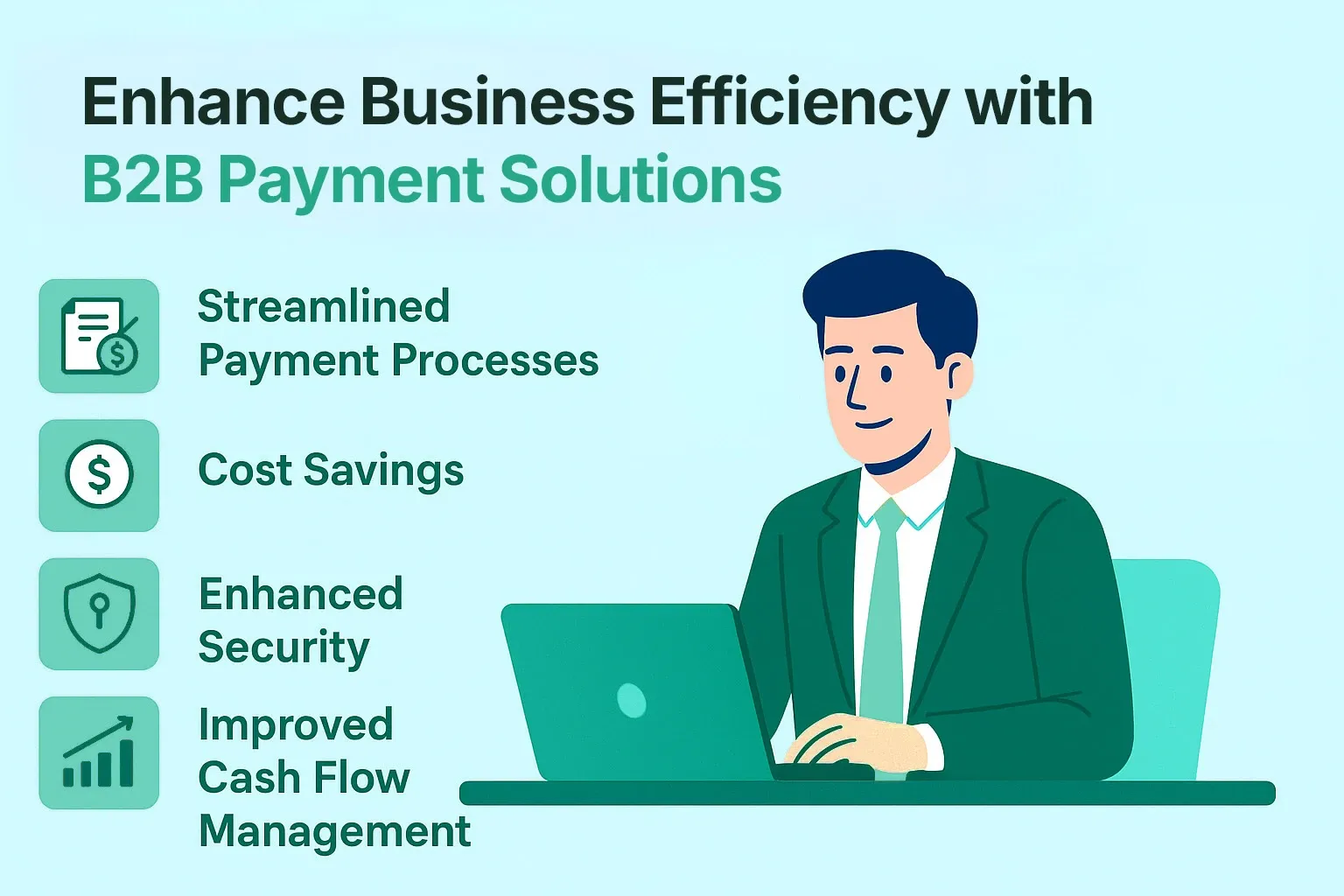
B2B payment services can support cash flow management by helping businesses organize incoming payments, schedule outgoing transactions, monitor outstanding invoices, and understand payment costs. Better visibility enables managers to identify potential problems earlier and make more informed financial decisions.
Technology should be combined with clear invoicing practices, consistent collection procedures, accurate accounting records, and responsible supplier management. No payment service can eliminate every cash flow risk, but a well-designed process can make financial operations easier to monitor and manage.
By choosing services that match their needs, businesses can improve payment efficiency and strengthen their financial planning. paytechtrust.com can be a useful starting point for researching payment options and ways to improve commercial payment workflows.
About the Author