Small businesses face many challenges when building a competitive employee benefits package. While health insurance and paid time off often receive the most attention, retirement benefits are equally important for attracting talented employees and encouraging long-term loyalty. However, establishing and managing a traditional 401(k) retirement plan can require considerable time, administrative effort, and financial resources. A pooled employer plan offers an alternative that can make retirement benefits more accessible to businesses of different sizes.
A pooled employer plan (PEP) allows multiple unrelated businesses to participate in a single retirement plan, generally structured as a 401(k). Instead of managing every aspect of an independent plan, employers can rely on a pooled plan provider to handle many administrative, compliance, and fiduciary responsibilities. Quintes offers a 401(k) Pooled Employer Plan designed to help businesses simplify retirement plan management while providing employees with opportunities to save for their future.
Understanding a Pooled Employer Plan
A pooled employer plan is a retirement arrangement established under federal law that allows unrelated employers to participate in one defined contribution plan. The structure became available through the Setting Every Community Up for Retirement Enhancement (SECURE) Act of 2019, with most relevant provisions taking effect in 2021.
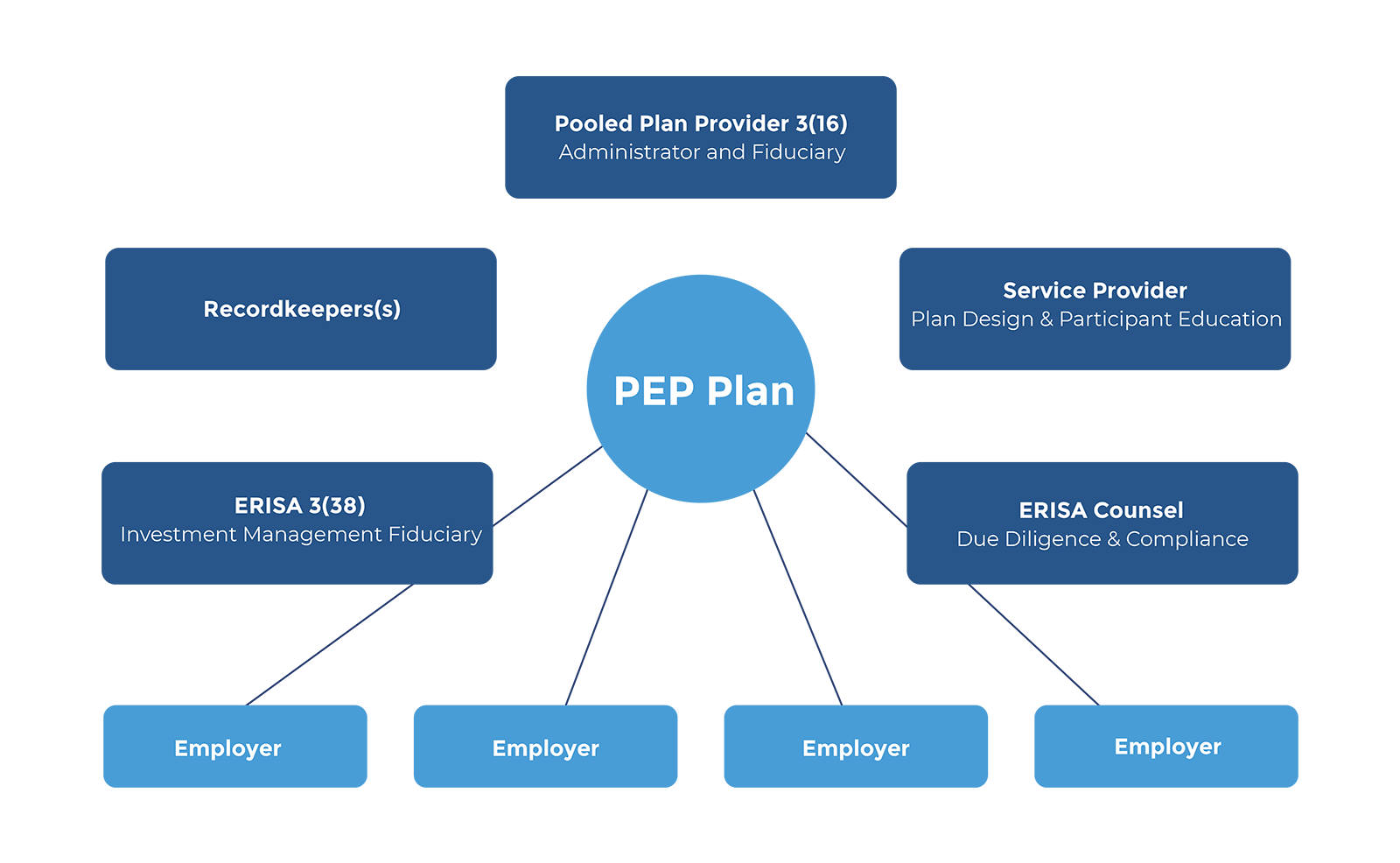
Under this arrangement, participating businesses share a retirement plan rather than establishing separate plans from scratch. A pooled plan provider oversees many of the plan's central responsibilities, including plan administration, regulatory reporting, and coordination with service providers.
Each participating employer adopts the plan under its own agreement. Although the overall structure is shared, businesses may have options to customize certain features, such as employee eligibility, employer matching contributions, and vesting schedules, subject to the plan's terms.
This arrangement can be particularly attractive to small businesses that want to offer retirement benefits without building an extensive internal benefits administration process. It can also help established employers evaluate whether their existing retirement arrangements remain efficient.
Why Small Businesses Need Better Retirement Solutions
Small businesses frequently operate with limited administrative staff and carefully managed budgets. Owners may handle human resources, payroll, accounting, customer service, and business development themselves. Adding retirement plan administration to these responsibilities can create unnecessary pressure.
A traditional 401(k) plan involves more than choosing investments and allowing employees to contribute. Employers must understand applicable regulations, maintain appropriate documentation, coordinate with service providers, monitor plan performance, and meet reporting requirements.
Mistakes can create additional costs and compliance concerns. Businesses may also struggle to compare service providers or determine whether the fees associated with their plans are reasonable.
A pooled employer plan can simplify this process by centralizing many responsibilities with experienced professionals. Rather than coordinating every element independently, an employer can work with a provider that manages the shared retirement arrangement.
Quintes helps businesses explore retirement plan options that align with their workforce, business goals, and administrative needs. For owners seeking a more manageable way to offer retirement benefits, this approach can be worth evaluating.
Key Benefits of a Pooled Employer Plan
1. Reduced Administrative Workload
One of the most important benefits of a pooled employer plan is the potential reduction in administrative responsibilities.
Managing a standalone retirement plan often involves maintaining plan documents, coordinating annual filings, arranging compliance testing, and communicating with multiple service providers. These responsibilities can consume valuable time, especially when a business lacks dedicated benefits personnel.
A PEP centralizes many of these tasks under the pooled plan provider. Depending on the arrangement, the provider may coordinate recordkeeping, plan documentation, regulatory reporting, and other administrative functions.
This allows business owners and HR teams to focus more attention on employee development, customer relationships, and operational priorities.
Quintes provides a pooled retirement plan option intended to streamline the process of offering a 401(k). Employers should review the service agreement carefully to understand which responsibilities are handled by Quintes and which remain with their business.
2. Potential Cost Savings
Cost is another important consideration when selecting a retirement plan. Smaller employers may not have the same negotiating power as larger organizations when purchasing administrative services, recordkeeping, and investment management.
A pooled employer plan combines participating employers within a shared structure. This can create economies of scale and provide opportunities to negotiate competitive service fees.
Potential savings may come from consolidated administration, shared professional resources, and more efficient reporting processes. Employers may also avoid certain expenses associated with maintaining an independent plan.
However, a pooled employer plan is not automatically less expensive than every traditional 401(k). Actual costs depend on the provider's fee structure, participant numbers, plan assets, investment expenses, and additional services.
Before selecting a provider, employers should compare all direct and indirect fees. Quintes can be considered as part of that evaluation, with particular attention to the services included and the total expected cost of participation.
3. Professional Plan Administration
Retirement plan administration requires knowledge of applicable regulations, documentation requirements, deadlines, and operational procedures. Businesses without specialized expertise may find these responsibilities difficult to manage consistently.
A pooled employer plan provides access to professionals who coordinate key aspects of the shared retirement arrangement. The pooled plan provider typically manages the central plan structure and works with other service providers to support ongoing administration.
This professional support can help employers establish clearer processes and reduce the risk of administrative oversights.
Quintes brings experience in retirement plan administration and plan design to its pooled employer offering. Businesses considering the arrangement should ask about implementation support, ongoing communication, compliance procedures, and the process for resolving administrative questions.
Professional administration can make retirement benefits easier to manage, but employers should still understand their own responsibilities and monitor the quality of the services they receive.
4. Reduced Fiduciary Responsibilities
Employers that sponsor retirement plans have fiduciary obligations under applicable law. These responsibilities can involve acting in participants' interests, monitoring service providers, evaluating plan fees, and overseeing certain plan decisions.
A pooled employer plan can transfer many plan-level fiduciary and administrative responsibilities to the pooled plan provider. This arrangement may reduce the workload and potential exposure associated with managing an independent plan.
Nevertheless, joining a PEP does not eliminate every employer obligation. Participating businesses generally retain responsibility for prudently selecting and monitoring the provider, providing accurate employee information, and ensuring that employee contributions are handled appropriately.
Employers should carefully review the plan documents to understand the division of fiduciary duties.
Quintes offers a pooled retirement plan structure intended to centralize key responsibilities and provide professional oversight. Business owners should confirm the specific fiduciary roles, protections, and limitations applicable to their agreement before making a decision.
5. Stronger Employee Recruitment and Retention
Employees increasingly consider the overall benefits package when choosing where to work. A competitive salary matters, but retirement benefits can also influence whether employees accept an offer or remain with an employer.
Small businesses sometimes struggle to compete with larger organizations that offer established retirement savings programs. A pooled employer plan can make it more practical to provide a 401(k) benefit without independently managing every aspect of the arrangement.
Depending on the plan's design, employees may be able to contribute a portion of their salary and receive employer matching contributions. These features can help employees build retirement savings while strengthening their connection to the business.
Employers can work with Quintes to explore plan design options that reflect their workforce and budget. A well-designed retirement benefit can complement other compensation offerings and help a business present itself as a more attractive long-term employer.
How Does a Pooled Employer Plan Work?
Understanding the process can help business owners determine whether a PEP fits their needs.
Step 1: Evaluate your current situation. Businesses should identify their goals, employee demographics, current retirement arrangements, administrative challenges, and budget.
Step 2: Compare providers and services. Employers can evaluate providers such as Quintes by reviewing administrative support, fiduciary arrangements, investment options, pricing, and implementation processes.
Step 3: Review the plan design. The employer determines which available features are appropriate, including eligibility requirements, contribution arrangements, and matching formulas where applicable.
Step 4: Complete the adoption process. Once the employer selects a suitable arrangement, the necessary agreements and employee information are prepared. Businesses transitioning from another plan may also need to coordinate asset transfers, investment mapping, and employee communications.
Step 5: Establish ongoing procedures. Employers coordinate payroll deductions, submit contributions on time, maintain accurate workforce information, and communicate with the provider when changes occur.
Step 6: Monitor the arrangement. Businesses should periodically review service quality, fees, plan performance information, and the provider's ability to meet their needs.
With appropriate preparation, the transition to a pooled employer plan can establish a more organized approach to retirement benefits.
Pooled Employer Plan vs. Traditional 401(k)
Both options can help employees save for retirement, but their administrative structures differ.
A traditional single-employer 401(k) gives a business direct control over its own plan. The employer selects service providers, oversees the plan's administration, and retains the applicable sponsor and fiduciary responsibilities. This arrangement may suit organizations that want extensive customization and have the resources to manage the process.
A pooled employer plan centralizes many responsibilities under a pooled plan provider. Participating businesses share a plan structure and may benefit from consolidated administration and purchasing power.
The traditional approach can provide greater independence, while the pooled arrangement can offer operational simplicity. Neither option is universally superior.
Businesses should compare total costs, available investment choices, customization options, service quality, and retained legal responsibilities. Quintes can be included in this assessment when an employer is exploring a pooled 401(k) solution.
Important Considerations Before Joining a PEP
Although pooled employer plans offer potential advantages, businesses should evaluate several factors before enrolling.
First, review the complete fee schedule. Administrative charges, investment expenses, recordkeeping costs, and additional service fees can affect the overall value of the arrangement.
Second, understand the provider's responsibilities and the duties that remain with your business. Clear documentation is important for maintaining appropriate oversight.
Third, assess investment options and employee support services. Employees should have access to understandable information that helps them make informed retirement savings decisions.
Fourth, consider payroll integration and data management. Reliable coordination is necessary to ensure that employee contributions and employer contributions are processed correctly.
Finally, evaluate the provider's experience, communication standards, and implementation process. A provider should be able to explain how the arrangement works and answer questions about ongoing operations.
Employers should also consult qualified tax, legal, and retirement plan professionals when evaluating regulatory obligations or potential tax benefits. Eligibility for tax credits and other incentives depends on applicable requirements and the employer's circumstances.
Why Consider Quintes for a Pooled Employer Plan?
Choosing the right provider is an important part of establishing an effective retirement benefits program. Businesses need more than a shared plan structure; they need dependable administration, clear communication, and services that support their long-term objectives.
Quintes specializes in retirement plan administration and plan design and offers the Quintes 401(k) Pooled Employer Plan. Its offering is intended to help employers simplify retirement plan management, access professional support, and provide a competitive benefit to their employees.
Businesses evaluating Quintes should discuss their specific workforce requirements, fee arrangements, plan design preferences, fiduciary responsibilities, and implementation needs. Comparing these details with other available options can help employers make an informed decision.
The goal is to select a retirement plan that balances employee needs with the practical realities of running a business.
Conclusion
A pooled employer plan can be a practical retirement benefits solution for small businesses that want to reduce administrative complexity while giving employees an opportunity to save for the future. By sharing a plan structure and centralizing many responsibilities with a pooled plan provider, participating employers may gain access to professional administration, potential cost efficiencies, and a more manageable retirement benefits program.
However, businesses should not choose a plan based on cost savings alone. Provider experience, investment options, service quality, fiduciary responsibilities, and the complete fee structure all deserve careful consideration.
Quintes offers a 401(k) Pooled Employer Plan that businesses can evaluate when exploring alternatives to a traditional standalone retirement arrangement. By comparing available options and understanding their responsibilities, employers can choose a solution that supports their workforce and business goals over the long term.
About the Author